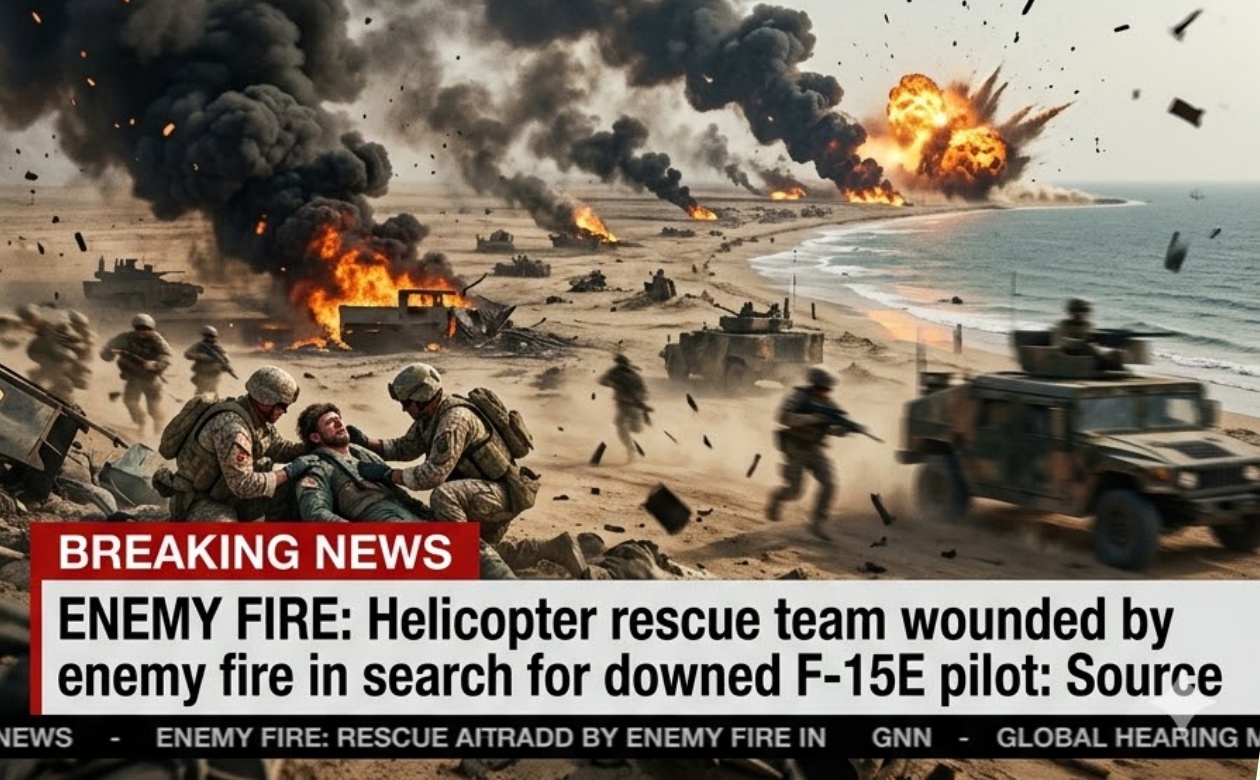
In a tense and perilous development in the ongoing U.S. air operations over contested territory, a helicopter rescue team was reportedly wounded by enemy fire while attempting to recover a downed F-15E Strike Eagle pilot, according to sources close to the mission. The incident underscores the extreme hazards faced by personnel in combat search-and-rescue operations and highlights the volatility of the air and ground environment in the region.
The F-15E, a two-seat strike fighter renowned for deep-penetration missions and precision air-to-ground attacks, was downed during an earlier operation. While the circumstances of the crash remain under investigation, initial reports suggest that hostile anti-aircraft fire or surface-to-air missiles may have played a role. Following the incident, the U.S. military dispatched a dedicated helicopter rescue team, including combat medics and special forces, to extract the pilot from enemy-controlled territory.
Sources report that during the extraction attempt, the rescue helicopter came under sustained enemy fire from insurgent or militia forces on the ground. Several crew members sustained injuries, though the severity has not been officially confirmed. Witnesses described the scene as chaotic, with tracer rounds striking near the aircraft as pilots and rescue personnel maneuvered under hostile conditions to reach the downed pilot.
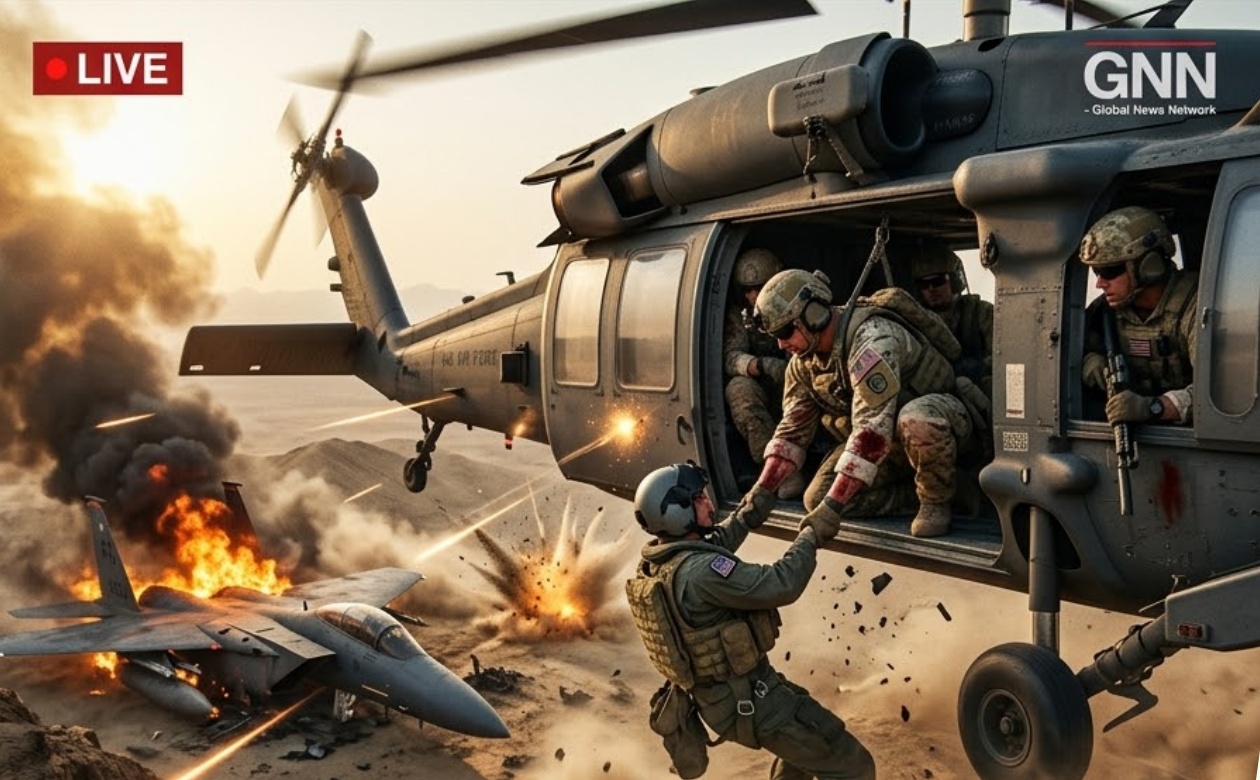
Military officials have confirmed that the wounded personnel are receiving immediate medical attention and are in stable condition. Additional assets, including drones and armed support helicopters, were reportedly deployed to suppress enemy fire and provide cover for the ongoing search and rescue effort. The rescue operation, carried out under extreme risk, demonstrates the U.S. military’s commitment to recovering personnel even in highly contested zones.
The downed pilot remains missing, and the search continues amid ongoing threats from hostile forces. Intelligence units are coordinating with air and ground assets to identify enemy positions, secure safe extraction routes, and minimize further casualties. Analysts emphasize that such operations are inherently high-risk due to the combination of hostile terrain, active enemy fire, and the time-sensitive nature of recovering personnel in combat environments.
This incident also underscores the broader challenges of modern aerial warfare, where sophisticated anti-aircraft systems and irregular militia tactics pose real dangers to both pilots and rescue teams. The U.S. military has historically prioritized personnel recovery as a strategic imperative, understanding that the morale and safety of aircrews are critical to sustained operational effectiveness.
As the situation develops, officials are closely monitoring both the rescue operation and potential enemy activity in the area. The incident is likely to have both tactical and strategic implications, highlighting vulnerabilities in contested airspace while reinforcing the U.S. military’s reliance on rapid-response forces and precision extraction operations.
For now, the focus remains on rescuing the downed pilot and ensuring the safety of the helicopter crew, while planners assess the broader operational impact of the incident. The unfolding events serve as a stark reminder of the dangers faced by U.S. forces operating in volatile regions and the high stakes involved in air combat and personnel recovery missions.