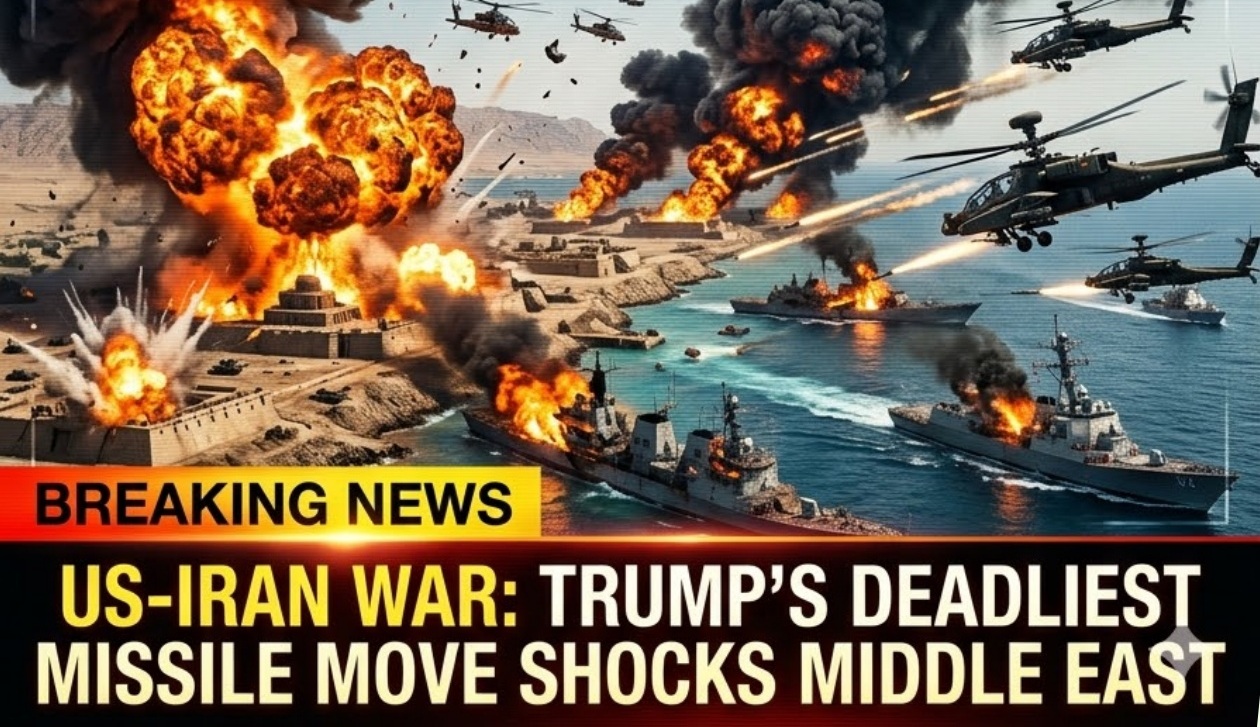
The ongoing conflict between the United States and Iran has entered a new and dangerous phase, marked by what many are calling one of the most aggressive missile strategies under President Donald Trump. As tensions escalate across the Middle East, recent strikes and threats have sent shockwaves through both regional powers and the global community.
At the core of this escalation is a series of large-scale U.S. missile strikes targeting Iran’s military infrastructure. According to official statements, the objective is clear: dismantle Iran’s rapidly advancing ballistic missile program and eliminate what Washington describes as an “imminent threat.” These operations have reportedly hit key strategic locations, including missile storage facilities, command centers, and naval assets, significantly weakening Iran’s conventional capabilities.
However, what truly “shocked” the Middle East is not just the scale of destruction—but the rhetoric and intent behind it. Trump has openly warned that even more devastating attacks could follow, including strikes on critical infrastructure such as power grids and transport systems if Iran does not comply with U.S. demands. This signals a shift from purely military targeting to potential economic and systemic disruption, raising fears of a broader humanitarian and regional crisis.
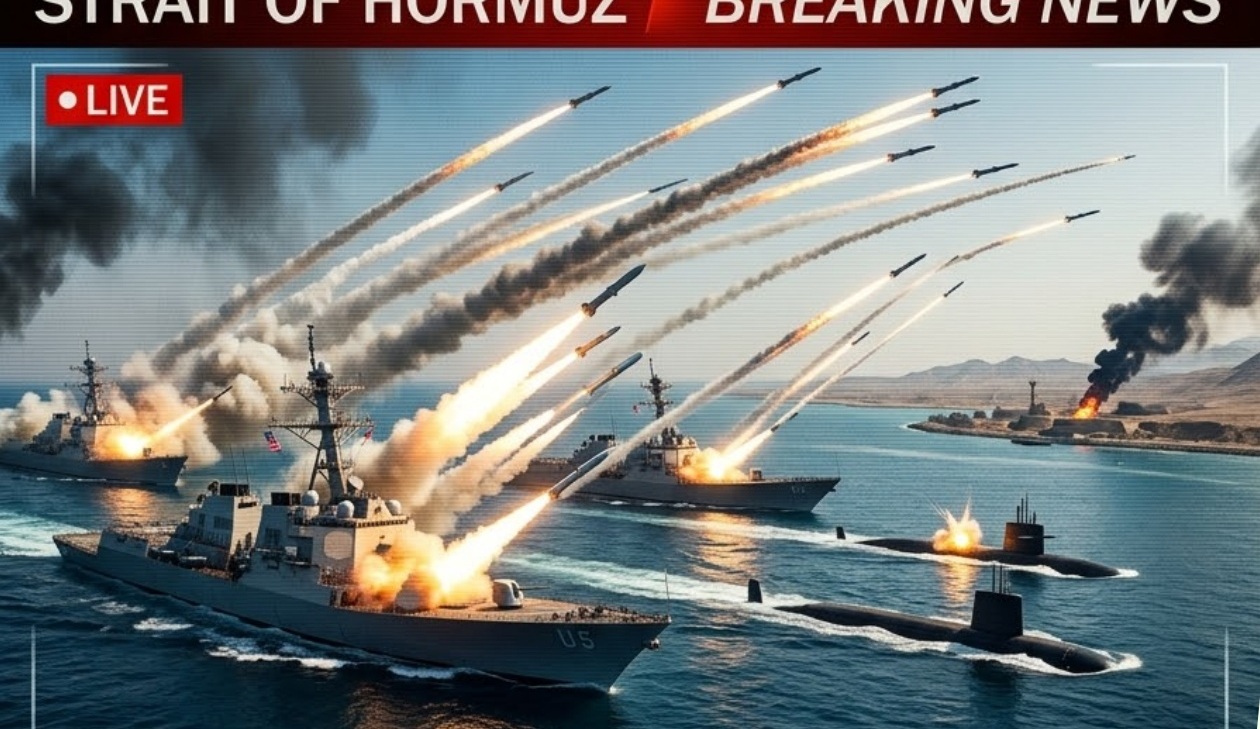
The impact has already been felt. Explosions have been reported in and around Tehran, with some of the heaviest air raids occurring in recent weeks. At the same time, U.S. forces have intensified operations on multiple fronts, including high-risk missions deep داخل Iranian territory—highlighted by the dramatic rescue of a downed American airman. These developments underscore the intensity and reach of current U.S. military actions.
Iran, for its part, has not remained passive. The country has launched waves of drones and missiles across the region, targeting U.S. assets and allied infrastructure. While these attacks have caused disruption, analysts note that they have yet to inflict decisive strategic damage compared to the scale of U.S. strikes. Still, Tehran has warned that continued escalation could trigger a much wider regional conflict involving proxy forces and neighboring states.
What makes this moment particularly volatile is the combination of military action and psychological pressure. Trump’s messaging—ranging from promises of overwhelming force to explicit warnings of destruction—has created an atmosphere of urgency and unpredictability. The so-called “deadliest missile move” is therefore not just about firepower, but about signaling dominance and forcing rapid concessions.
As the situation continues to unfold, one thing is clear: the balance of power in the Middle East is being tested in real time. Whether this leads to negotiation or further escalation will depend on decisions made in the coming days—but the consequences are likely to be felt far beyond the region.