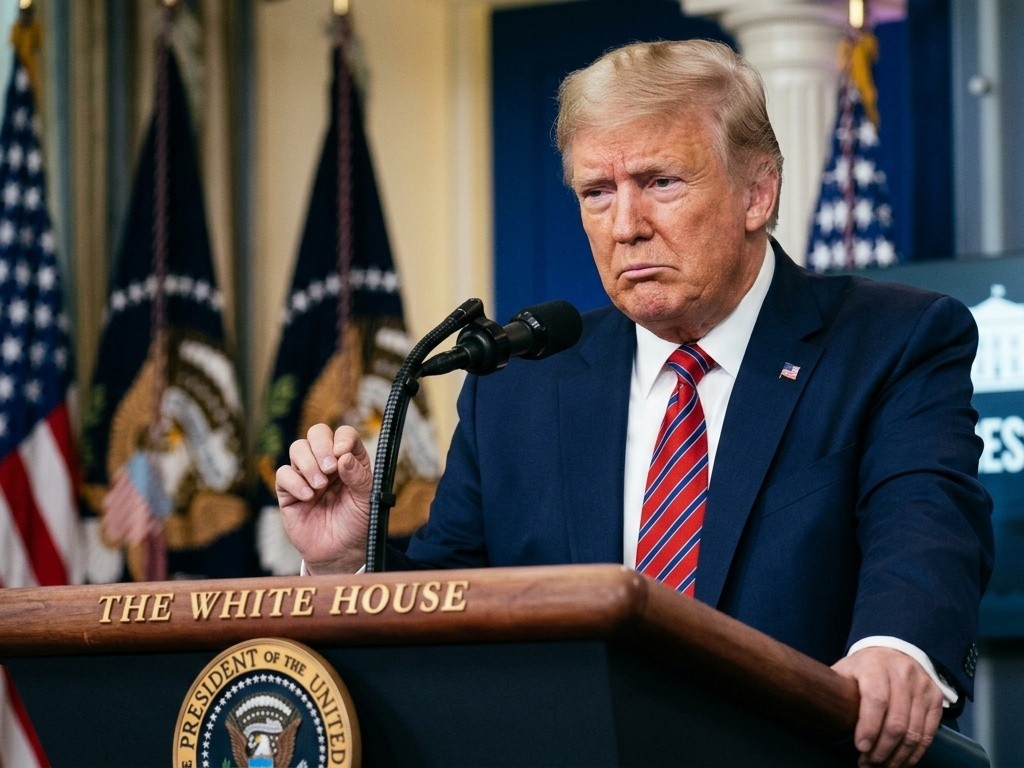
Donald Trump has issued multiple shifting deadlines toward Iran over the past weeks, raising questions over the timeline of potential action.
• 21 March: 48 hours
• 23 March: Extended by 5 days
• 26 March: Extended by 10 days
• 4 April: Reset to 48 hours
• 5 April: Moved again to April 7, 20:00 (ET)
The repeated adjustments suggest ongoing changes in timing and planning, as tensions between both sides continue to escalate.
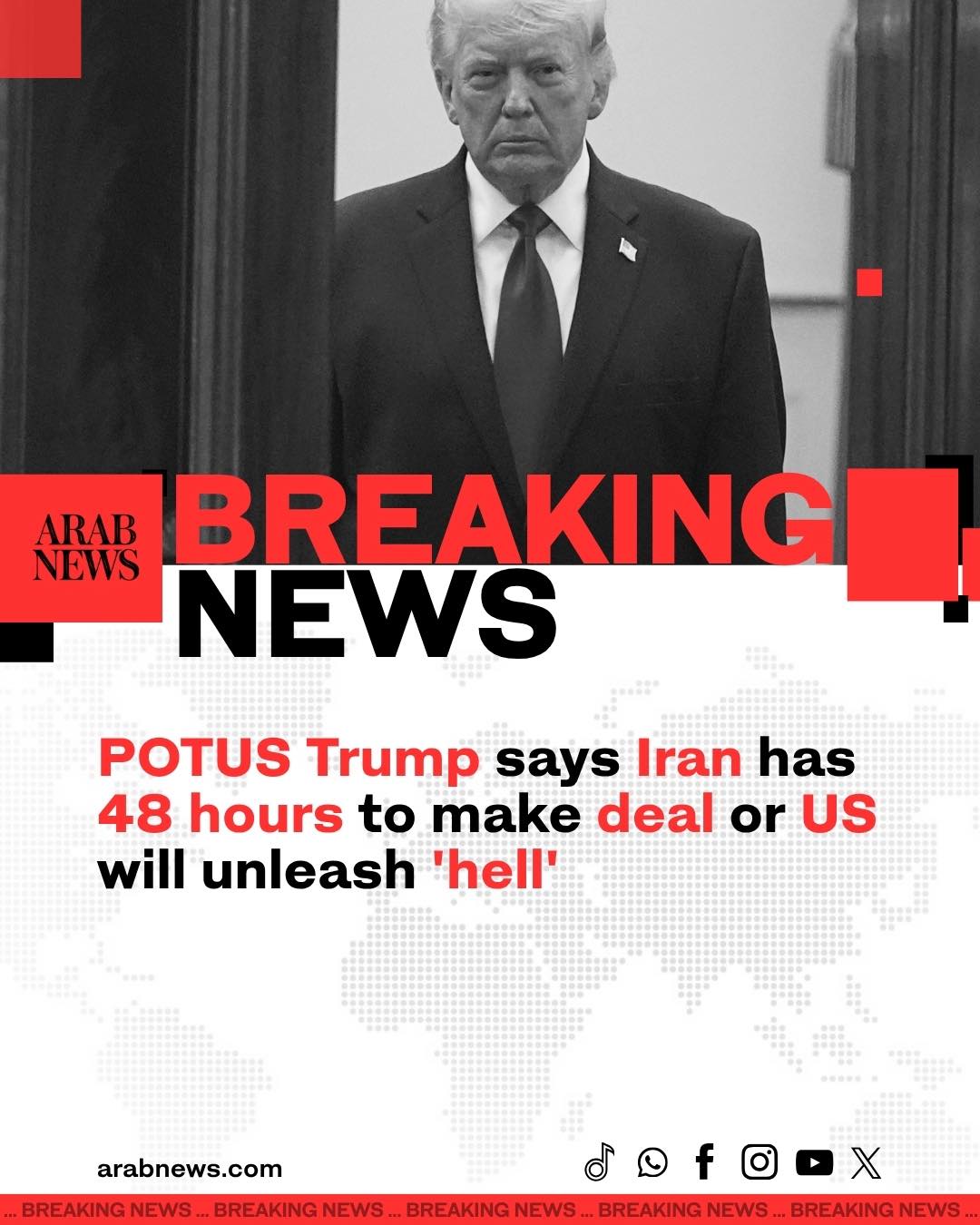

Trump publicly pushes for peace—calling for talks, ceasefires, and agreements. But each time, Iran appears to reject the pressure, standing firm and refusing to back down under threats or deadlines.
Then suddenly, the story flips.
On social media, Trump claims Iran is the one “begging” for a ceasefire—despite Iranian officials denying this outright and calling it false . The gap between statements and reality raises serious questions about what’s actually happening behind the scenes.
Is it diplomacy? Strategy? Or just competing narratives playing out in public?
In conflicts like this, words become weapons just as much as missiles. Each side tries to control the story, shape perception, and influence global opinion.
Conclusion:
The real battle isn’t just on the ground—it’s in the narrative. And until facts are clearly verified, what you’re seeing might not be the full truth, but just one version of it.