In a shocking escalation that has sent ripples across the Middle East, a కీల infrastructure link connecting Tehran and Karaj has been violently struck, leaving destruction, casualties, and a surge of geopolitical tension in its wake. The targeted structure—known as the B1 Bridge—was one of Iran’s most ambitious engineering projects, and its partial collapse marks a dramatic turning point in the ongoing conflict.
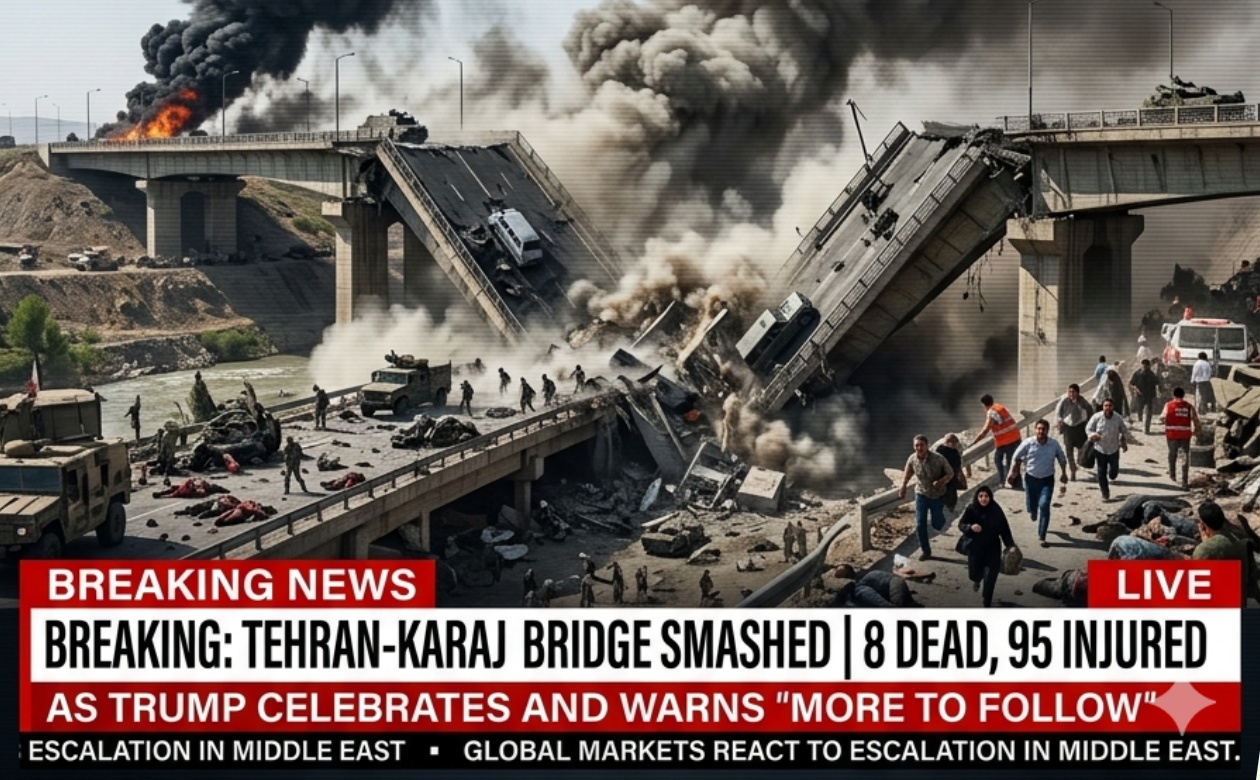
According to confirmed reports, at least eight people have been killed and 95 injured following the strike, with many of the victims believed to be civilians who were near or beneath the bridge at the time of impact. Witnesses described scenes of chaos as explosions ripped through the structure, sending debris crashing down and triggering panic among nearby residents and travelers.
The attack appears to have been highly deliberate. Military sources indicate the bridge was hit more than once, suggesting a calculated effort not just to damage—but to disable a critical transportation artery. The Tehran–Karaj corridor is one of the busiest routes in Iran, and disrupting it could have significant logistical and economic consequences.
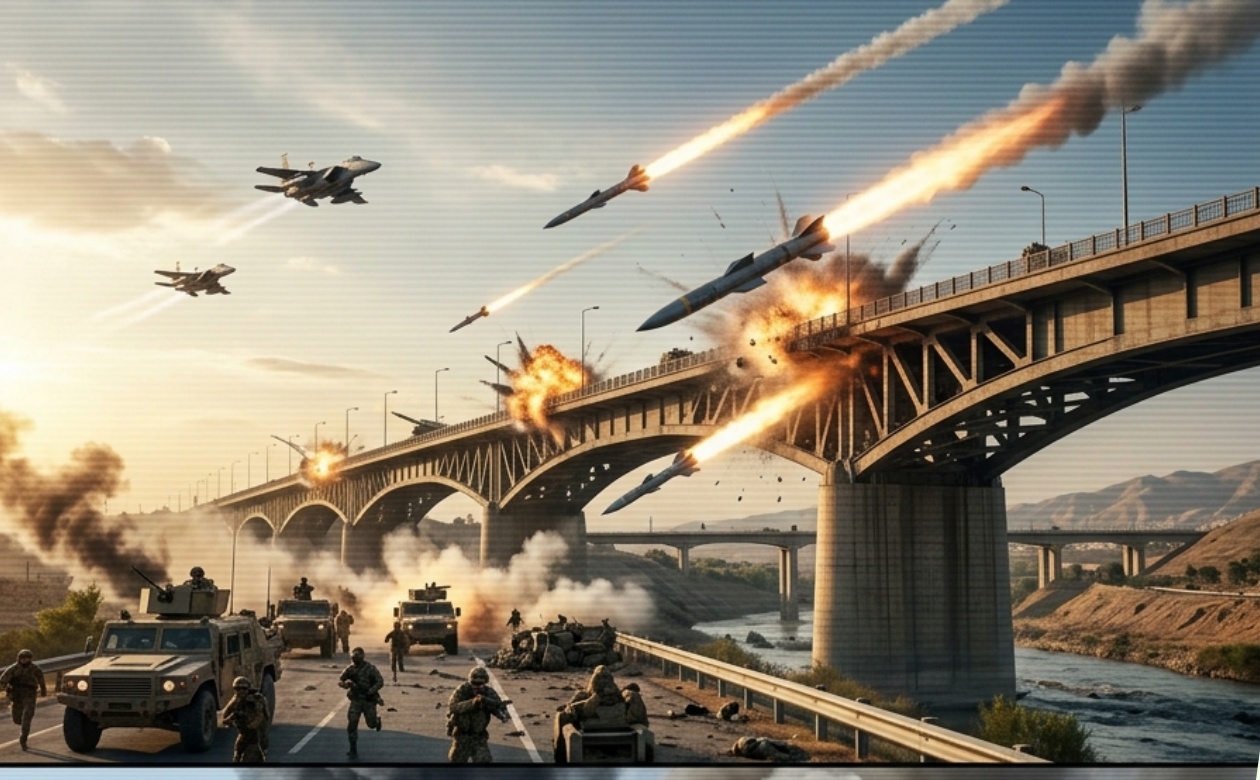
Images and footage emerging from the scene show twisted steel, collapsed sections of roadway, and smoke billowing into the sky—visual evidence of the sheer القوة of the strike. Emergency services rushed to the site, but hospitals in the region were quickly overwhelmed by the sudden influx of injured civilians.
What has further intensified global reaction is the political response. Former U.S. President Donald Trump publicly reacted to the घटना, sharing footage of the destruction and issuing a stark warning: “More to follow.” His remarks have been widely interpreted as a signal that additional strikes on Iranian infrastructure could be imminent, raising fears of a broader and more devastating campaign.
Iranian officials have condemned the attack as a direct strike on civilian infrastructure, arguing that there was no military presence in the area at the time. This has fueled outrage domestically and added pressure on Tehran to respond, with some reports suggesting potential retaliation plans already being discussed.
Beyond the immediate destruction, the psychological impact is profound. The idea that major infrastructure near the capital can be struck so decisively has shaken public confidence and raised serious concerns about what might come next. At the same time, global markets and diplomatic channels are reacting nervously, aware that each escalation brings the region closer to a wider conflict.
As the situation continues to unfold, one thing is clear: this is no longer just a series of isolated strikes—it is a rapidly intensifying confrontation with consequences that could extend far beyond Iran’s borders.
And with warnings of “more to follow,” the world is now watching, waiting—and bracing for what comes next.