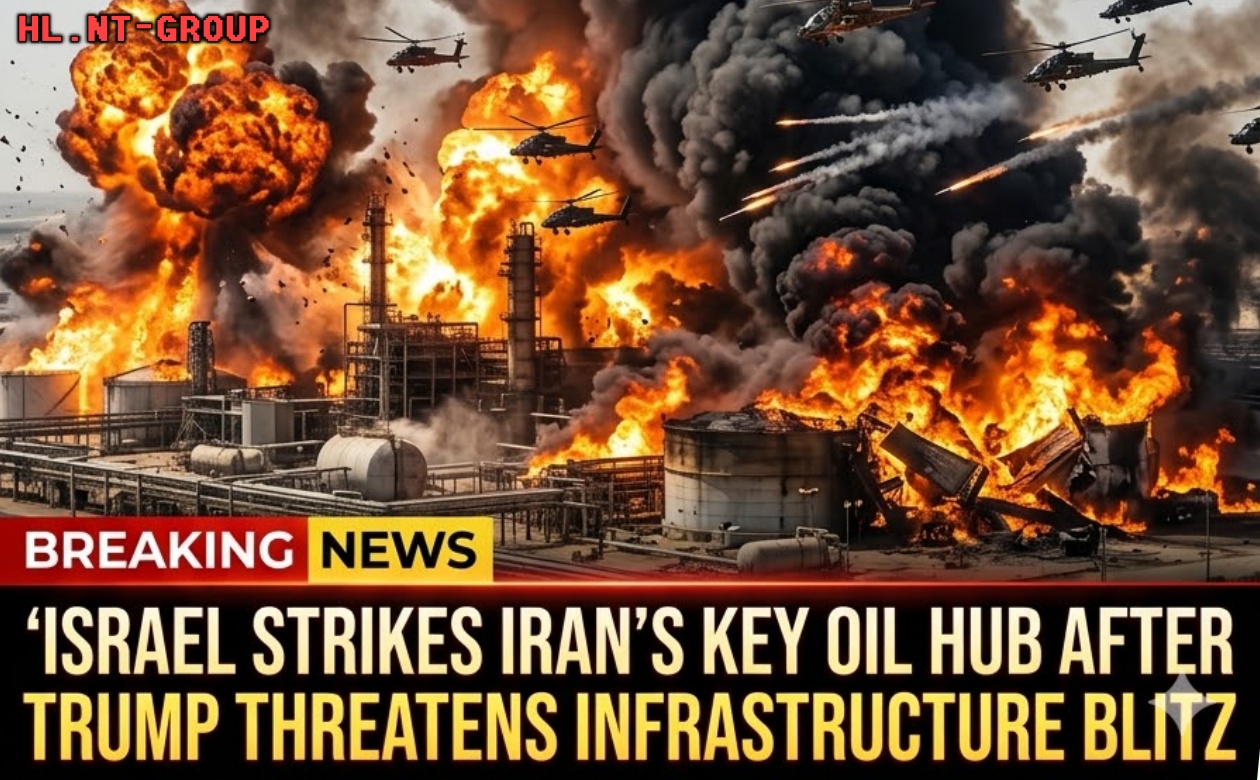
The Israel-Iran war has entered a dangerous new phase as Israeli forces launch a decisive strike on Iran’s key oil and petrochemical hub, intensifying a conflict that is increasingly centered on energy infrastructure. The targeted site, located in Asaluyeh, is one of Iran’s most critical industrial مناطق, responsible for a significant share of the country’s petrochemical output and export capacity. According to defense officials, the strike hit facilities that account for roughly half of Iran’s petrochemical production, disrupting operations and triggering widespread power outages across the complex.
This escalation comes amid growing pressure from Donald Trump, who has repeatedly threatened a sweeping “infrastructure blitz” against Iran if key demands—particularly reopening the Strait of Hormuz—are not met. His warnings have explicitly included targeting oil hubs, power plants, and other economic lifelines, signaling a shift in strategy from purely military targets to assets that sustain Iran’s economy.
The strike on Iran’s oil hub reflects this broader strategic doctrine. By hitting energy infrastructure, Israel aims to weaken Tehran’s financial and logistical القدرة to sustain prolonged military operations. Oil and petrochemical exports are central to Iran’s economy, generating billions in revenue and supporting domestic stability. Disrupting these systems not only damages industrial capacity but also sends shockwaves through global energy markets, where Iran plays a ключ role in supply dynamics.
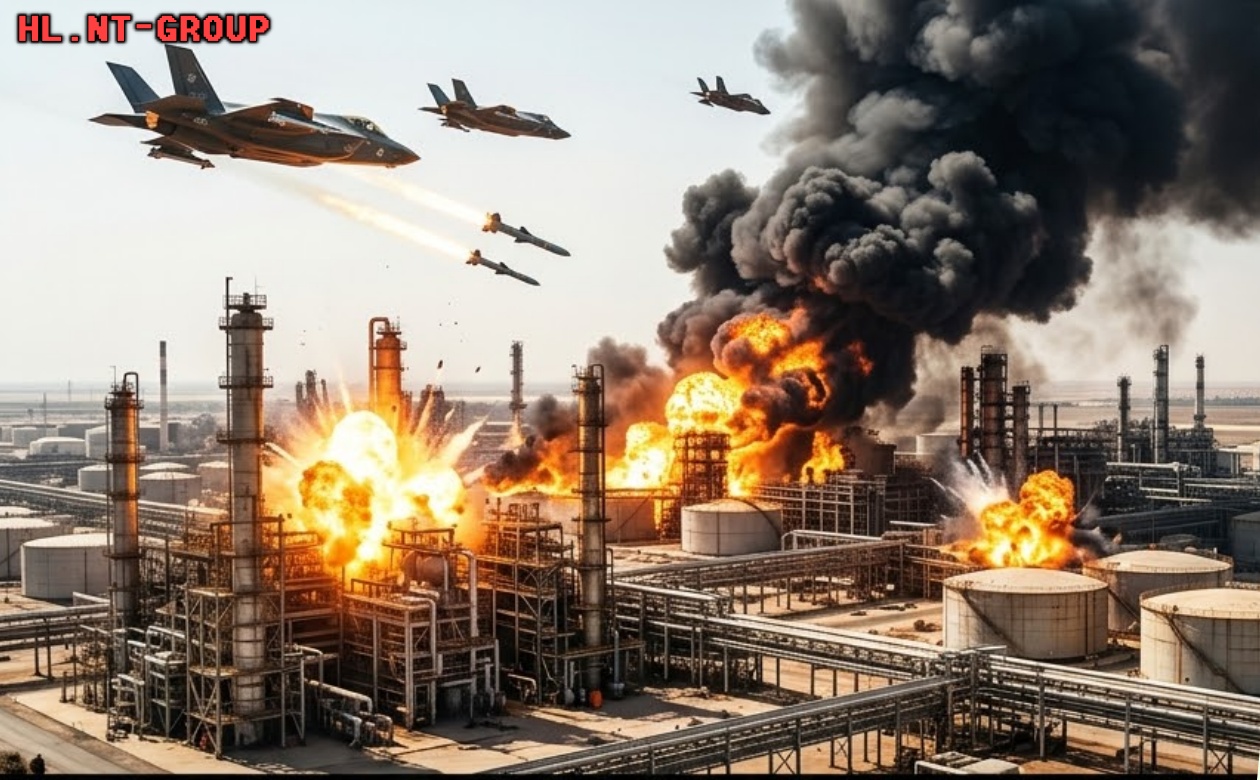
The immediate aftermath of the attack saw fires, explosions, and emergency shutdowns across the facility, with Iranian authorities confirming significant damage and vowing retaliation. Tehran has warned that attacks on its energy sector will not go unanswered, raising the خطر of counterstrikes on oil infrastructure across the wider Gulf region. This has heightened concerns among neighboring countries, many of which rely on interconnected energy networks and shipping routes.
Global markets have already reacted sharply. Oil prices surged amid fears of supply disruption, reflecting the حساس nature of the region’s energy صادرات and the strategic importance of the Strait of Hormuz—a chokepoint through which a substantial portion of the world’s oil flows. Analysts warn that continued targeting of energy infrastructure could trigger prolonged volatility, affecting fuel prices, shipping costs, and broader economic stability worldwide.
At the geopolitical level, the situation is rapidly deteriorating. Diplomatic efforts to de-escalate the conflict remain stalled, while both sides continue to exchange threats and military actions. Trump’s aggressive stance, combined with Israel’s direct strikes on economic targets, signals a تحول in the nature of the war—from conventional military engagements to a broader economic and энергетическая confrontation.
Ultimately, Israel’s strike on Iran’s key oil hub marks a pivotal moment in the conflict, where energy infrastructure has become a primary battlefield. As Tehran promises retaliation and Washington signals readiness for further escalation, the risk of a wider regional crisis continues to grow—one that could reshape not only the Middle East but also the global energy landscape in the days ahead.