Urgent Update!
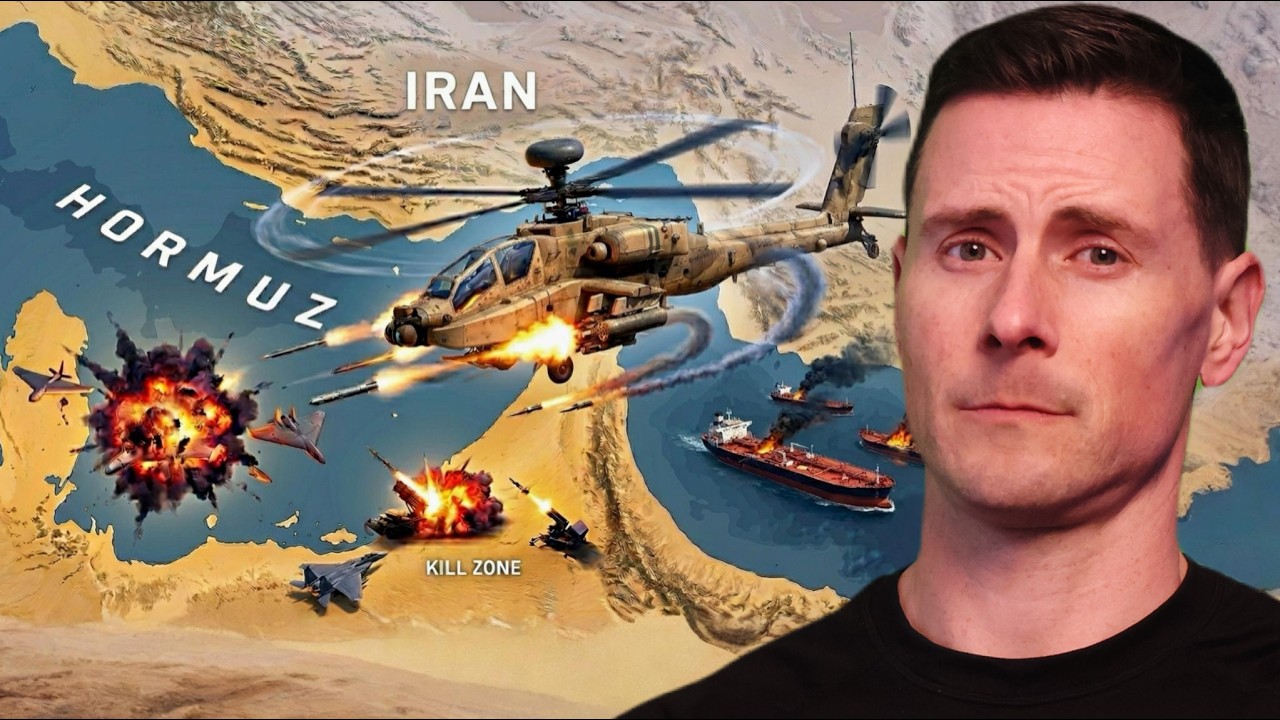
The Strait of Hormuz—responsible for transporting roughly one-fifth of the world’s oil supply—has reportedly fallen under the effective control of U.S. military forces, led by AH-64 Apache attack helicopters. This development has triggered significant alarm within Iran. In only a matter of days, these helicopters have transformed the area into a highly restricted zone, preventing any attempts by Tehran to interfere with maritime traffic.
In this analysis, we’ll explore how the deployment of Apache helicopters shifted control so rapidly—and what this could mean moving forward. Let’s dive in.
Part 1: Latest Developments
Recent statements from U.S. Central Command (CENTCOM), along with remarks from General Dan “Razin” Caine, confirm that a military campaign known as Operation Epic Fury is now underway.
U.S. aircraft, including the A-10 Warthog and AH-64 Apache, have been conducting low-altitude operations across the Strait. Their primary targets: Iranian fast-attack boats and swarms of Shahed-type suicide drones.
Reports indicate that over 120 vessels linked to Iran’s Revolutionary Guard have been either destroyed or rendered inoperable. As a result, international oil tankers have resumed passage with significantly reduced risk. For the first time in months, the strait appears no longer dominated by Iranian forces.
Part 2: Why the AH-64 Apache Is So Effective
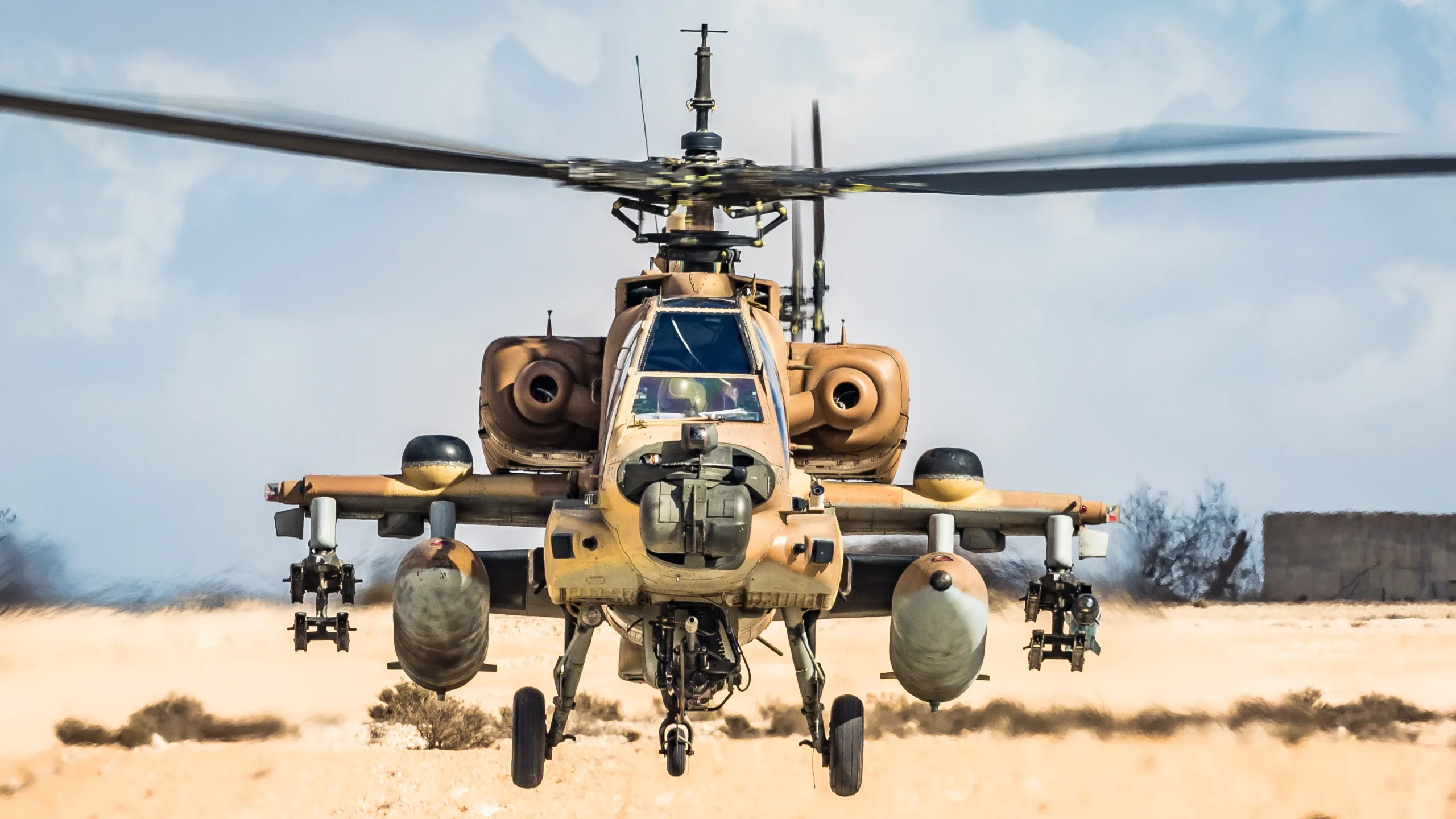
At the center of this shift is the AH-64 Apache—often described as one of the most formidable attack helicopters in modern warfare.
Each unit is equipped with:
- A 30mm M230 chain gun capable of firing hundreds of rounds per minute, easily overwhelming small, fast-moving boats
- Up to 16 Hellfire missiles, designed to precisely eliminate multiple targets, including drone swarms
- Advanced Longbow radar systems combined with night vision, allowing detection and engagement in nearly any condition
- The ability to fly extremely close to the surface, avoiding radar detection and maintaining continuous operations
When paired with the A-10 Warthog, known for its durability and firepower, the U.S. has created a highly flexible and aggressive air support system. This combination allows for constant pressure on hostile forces, making it extremely difficult for smaller vessels or drones to operate effectively.
Part 3: Iran’s Response
On the Iranian side, reactions appear restrained and uncertain. Official channels have offered limited statements, mostly general condemnations without specific countermeasures.
Behind the scenes, however, reports suggest internal tension. Naval commanders within the Revolutionary Guard are said to be increasingly cautious, aware of the heightened threat from above. Meanwhile, domestic challenges are intensifying, with rising fuel prices adding strain to an already fragile economy.
Previously, Iranian officials had claimed the ability to shut down the Strait of Hormuz within hours. Current developments, however, are calling those assertions into question.
Part 4: Broader Implications and What Comes Next
The situation carries consequences far beyond the immediate military context:
- Oil markets are beginning to stabilize after recent volatility
- Energy supply routes to Europe and Asia are becoming more secure
- Iran’s influence in the Gulf region may be weakening
Some analysts suggest that if tensions continue, the U.S. and its allies could escalate further. There are already indications that additional forces—including Marine units—may be deployed to reinforce operations.
In Summary:
What we’re witnessing is not just a tactical shift, but a potentially significant change in regional power dynamics. Whether this leads to de-escalation or further confrontation remains uncertain—but the Strait of Hormuz has once again become a focal point of global attention.