The night sky over Tehran exploded into chaos.
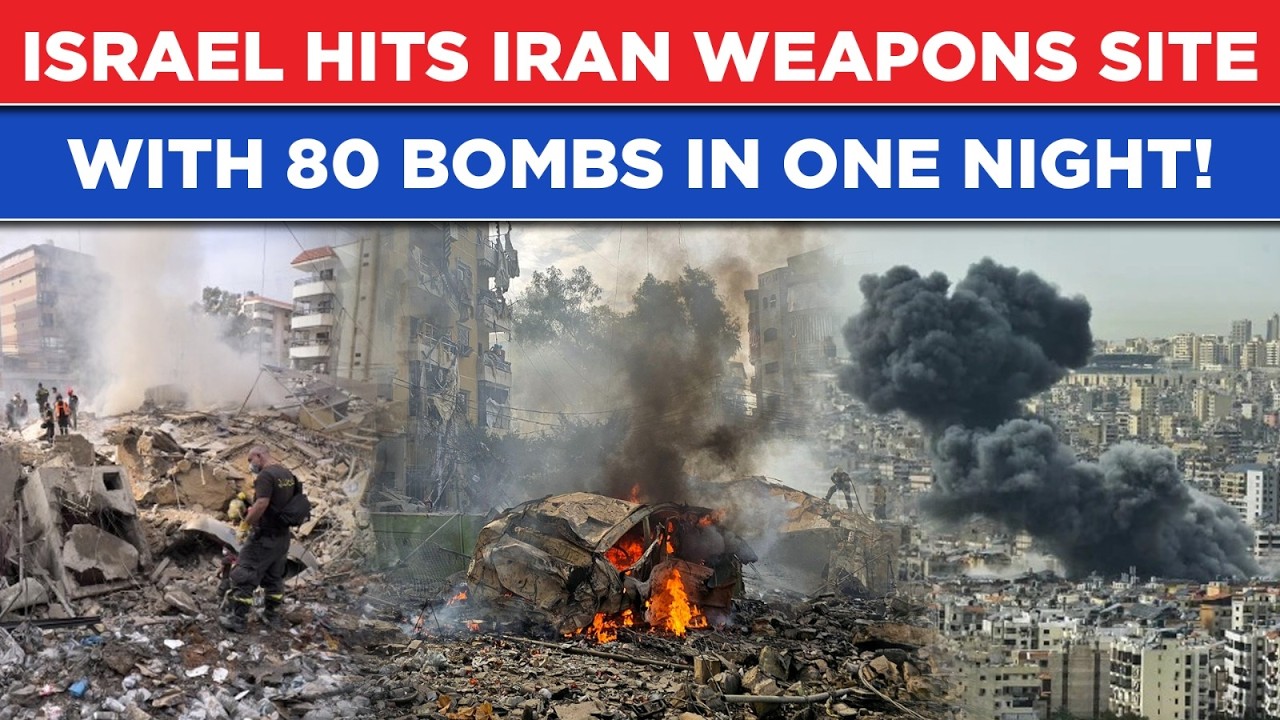
Without warning, waves of Israeli fighter jets tore through the darkness, unleashing a relentless storm of firepower. In a matter of hours, more than 80 warplanes reportedly struck deep inside Iran—dropping hundreds of bombs on some of the regime’s most critical military sites.
This wasn’t just another strike.
This was a message written in fire.
According to Israeli military sources, the targets were not random. The operation focused on Islamic Revolutionary Guard Corps (IRGC) infrastructure—including missile storage facilities, underground bunkers, launch sites, and command centers scattered across Tehran and central Iran.
Some of these sites were buried deep beneath the surface—hidden inside reinforced tunnels designed to survive even the most powerful attacks. But on this night, even those defenses were tested.
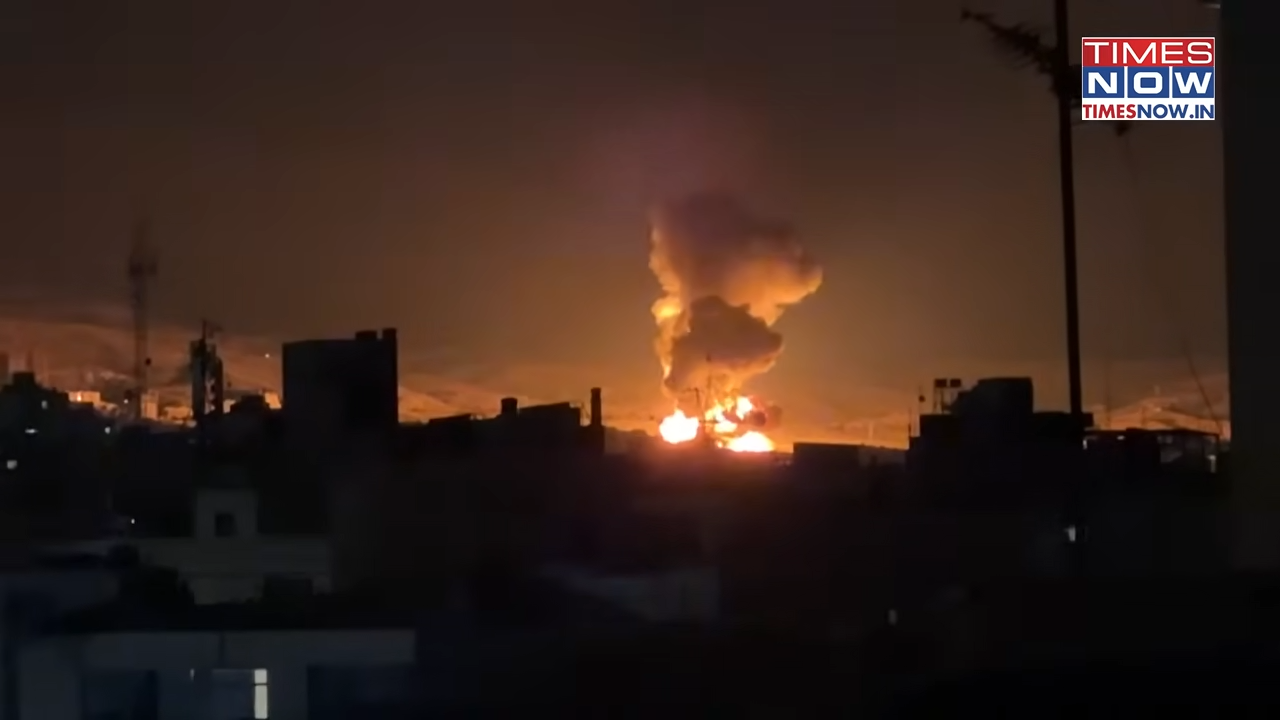
Explosions echoed across the العاصمة as precision-guided munitions slammed into their targets. Witnesses described shockwaves rattling buildings and flames lighting up the skyline. In certain areas, thick plumes of smoke rose into the air, marking where key parts of Iran’s military machine had just been hit.
Among the most significant targets was a major IRGC-linked military complex—reportedly used for missile development and coordination. Israeli officials claimed the strikes were aimed at crippling Iran’s ability to launch further attacks and weakening its long-range strike capabilities.
And the scale was staggering.
More than 200 bombs were reportedly dropped in a single night—one of the largest coordinated air assaults of the conflict so far.
But this wasn’t just about destruction.
It was about dominance.
By hitting multiple high-value targets simultaneously, Israel demonstrated its ability to penetrate deep into Iranian territory—despite air defenses, distance, and risk. It showed that even the most heavily guarded sites were not out of reach.
And perhaps most importantly—it exposed vulnerability.
Iran has spent years building an extensive network of underground missile facilities—often referred to as “missile cities”—designed to protect its arsenal from exactly this kind of attack. But the intensity and precision of this operation suggest that even those hidden systems are no longer completely safe.
Still, the story doesn’t end there.
Iran responded.
Missiles were launched back toward Israel, air defenses were activated across multiple regions, and the خطر of escalation grew instantly. This is no longer a shadow conflict—it is a direct, high-intensity confrontation between two heavily armed powers.
And each strike pushes things further.
Because when 80 jets can strike in one night… the next operation could be even bigger.
The question now isn’t whether the war will escalate.
It’s how far it will go