The full scale of the recent crisis in the Strait of Hormuz is beginning to emerge, as damaged vessels, disrupted маршруты, and shaken shipping networks paint a stark picture of instability at one of the world’s most vital maritime chokepoints. While a fragile calm has taken hold in recent days, the aftermath at sea reveals just how close the region came to a prolonged and potentially devastating disruption.
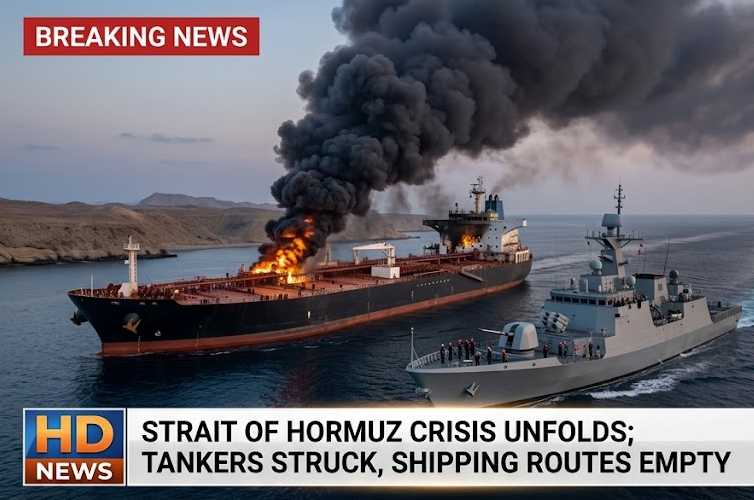
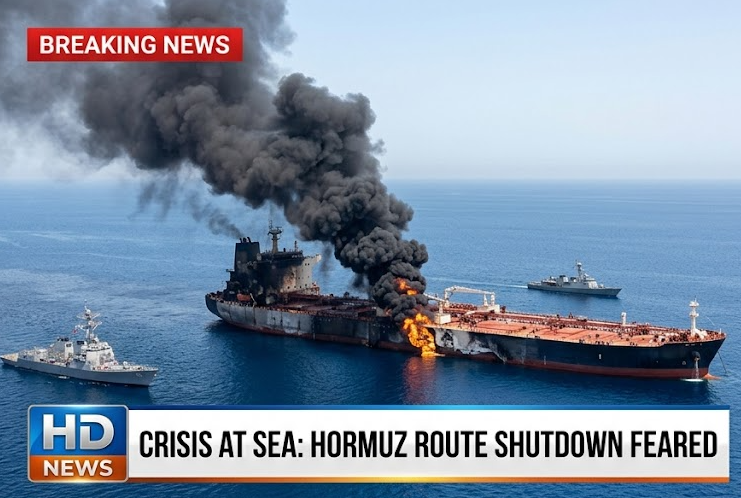
Satellite imagery and eyewitness accounts confirm that multiple commercial ships sustained damage during the height of the الأزمة. Scorched hulls, shattered equipment, and signs of onboard fires have been documented across several vessels that were either struck directly or caught in the vicinity of attacks. Some ships remain stranded or under tow, while others have been diverted to nearby ports for emergency repairs.
Perhaps more telling than the visible damage is the sudden shift in global shipping behavior. Major maritime operators have begun rerouting vessels away from the Strait of Hormuz, opting instead for longer, more expensive journeys around alternative corridors. These decisions reflect not only immediate safety concerns but also a growing lack of confidence in the region’s security environment. Even with the easing of direct hostilities, many companies are unwilling to risk sending crews and cargo through what they now consider a high-threat zone.
Insurance markets have responded accordingly. War-risk premiums have surged, with underwriters reassessing the المنطقة in light of recent attacks. For many operators, the cost of transit has risen sharply, adding financial pressure to an already strained global supply chain. Analysts warn that these increased costs could eventually be passed on to consumers, particularly in energy markets where the Strait plays a critical role.
Crews who traversed the area during the crisis describe moments of intense uncertainty. Reports of sudden explosions, drone sightings, and conflicting navigation advisories created a chaotic environment at sea. In some cases, vessels reportedly halted mid-transit, awaiting confirmation that it was safe to proceed. Communication disruptions and rapidly changing threat assessments further complicated decision-making for captains and shipping companies alike.
Naval forces continue to maintain a strong presence in the region, escorting ships and conducting patrols aimed at restoring confidence. However, experts caution that rebuilding trust in such a critical waterway will take time. The psychological impact of the crisis—on both crews and operators—may linger even after physical damage has been repaired.
The Strait of Hormuz has long been recognized as a geopolitical flashpoint, but the recent الأحداث have underscored its vulnerability in a new and immediate way. As the world assesses the последствия, one thing is clear: the crisis has left lasting marks not only on ships and trade routes, but on the perception of security in global maritime commerce.