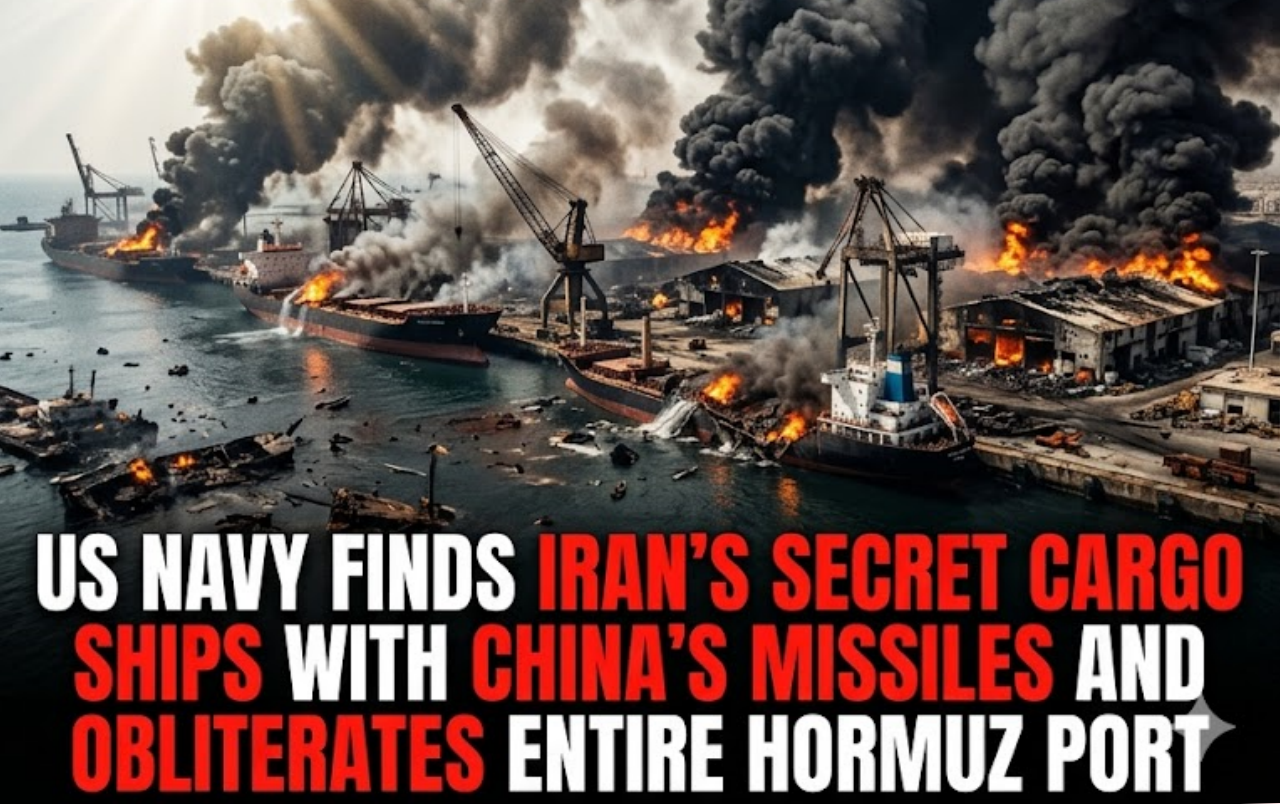
In a dramatic escalation of tensions in the Middle East, reports have emerged of a high-stakes maritime confrontation involving the United States, Iran, and China near the Strait of Hormuz. According to intelligence assessments and regional monitoring, Iranian cargo vessels suspected of transporting missile-related materials from China have become a focal point of U.S. naval operations.
Recent investigations indicate that sanctioned Iranian ships had been loading materials from Chinese ports believed to be linked to missile production. These shipments reportedly included chemical components essential for solid-fuel ballistic missiles, raising alarms within U.S. defense circles. The possibility that such materials could significantly enhance Iran’s already substantial missile arsenal has intensified concerns over regional security.
The Strait of Hormuz, a critical chokepoint through which a significant portion of the world’s oil supply passes, has once again become a flashpoint. Iran has previously threatened to close or restrict access to the waterway and has even used nearby ports for military purposes. In response, the United States has increased its naval presence, enforcing blockades and closely monitoring suspicious shipping activity.
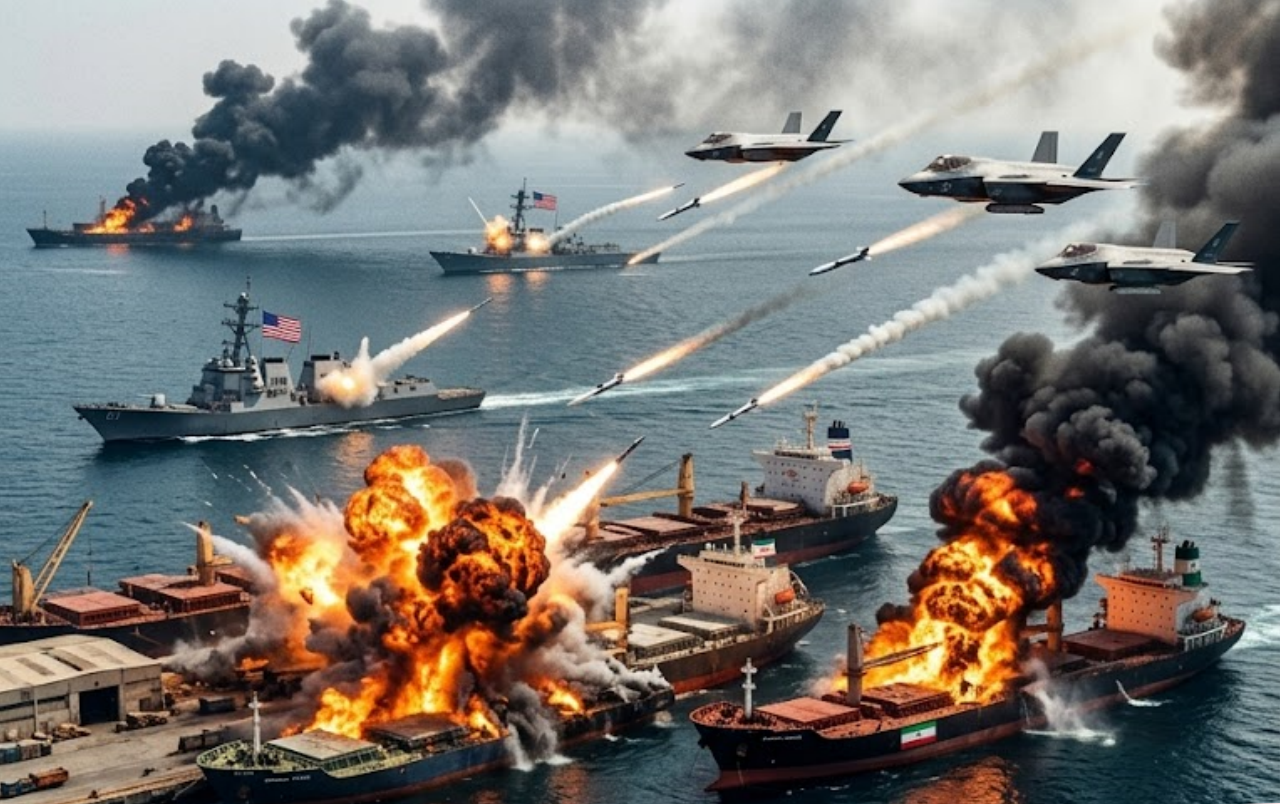
In this tense environment, U.S. Navy forces reportedly identified and tracked multiple Iranian cargo ships believed to be carrying sensitive materials. Surveillance operations, including satellite tracking and aerial reconnaissance, enabled U.S. forces to intercept or shadow these vessels as they approached Iranian ports along the Hormuz corridor.
While there is no confirmed public evidence that an entire port has been “obliterated,” U.S. military officials have previously warned that Iranian port facilities used for military logistics could be considered legitimate targets. Airstrikes and naval operations in the region have already targeted infrastructure linked to missile storage and deployment, signaling Washington’s willingness to escalate if necessary.
Meanwhile, Iran continues to demonstrate resilience, maintaining a large stockpile of missiles and drones despite sustained strikes. This ongoing capability underscores the broader strategic challenge facing the United States and its allies: preventing further militarization of critical shipping routes while avoiding a full-scale regional war.
China’s role adds another layer of complexity. As a key economic partner of Iran and a major importer of Middle Eastern oil, Beijing faces a delicate balancing act. Its involvement—whether direct or indirect—in supplying materials has heightened geopolitical tensions and raised questions about the potential for a wider international confrontation.
Ultimately, the situation in the Strait of Hormuz remains volatile. While dramatic headlines may exaggerate certain events, the underlying reality is no less serious: a dangerous intersection of global power rivalry, strategic resources, and military brinkmanship that could have far-reaching consequences for international stability.