Introduction
Flashpoint news has become increasingly important in today’s interconnected world. Global conflict hotspots, political tensions, and regional disputes can influence international stability, economic markets, and diplomatic relations.
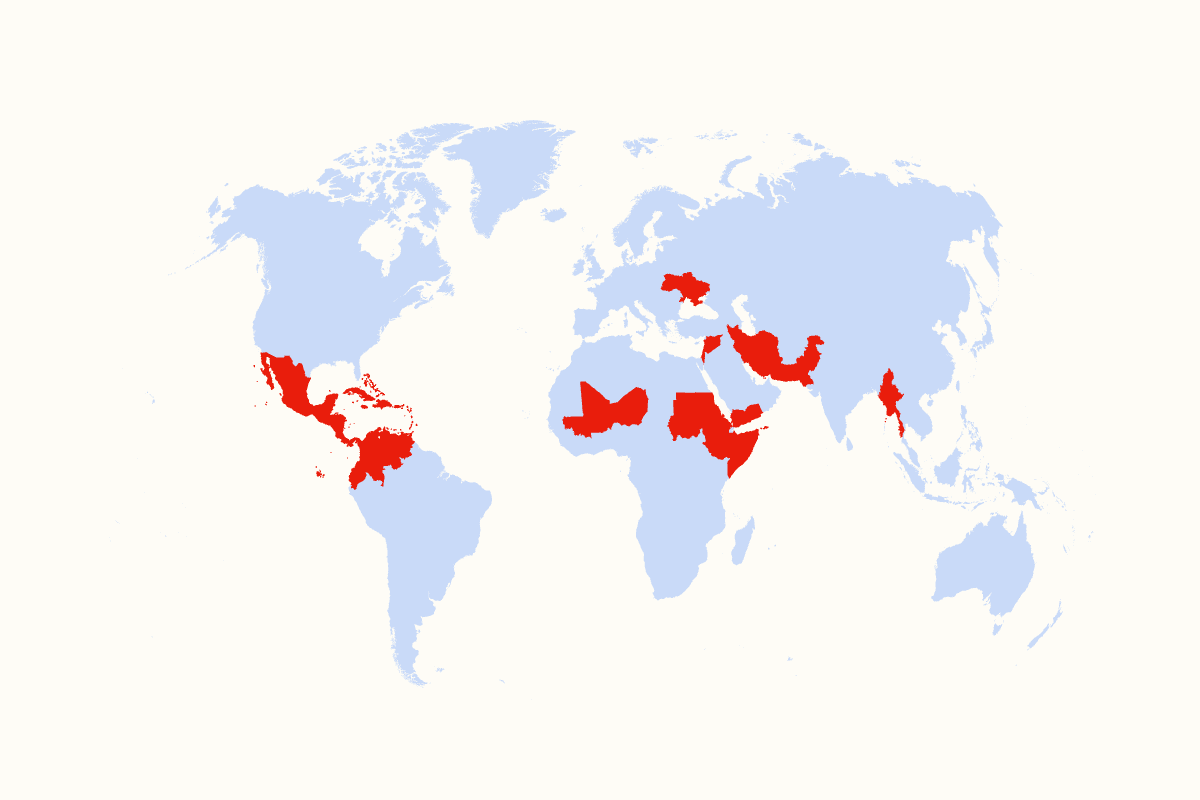
From Eastern Europe to the Middle East and the Indo-Pacific region, geopolitical developments often shape the global political landscape. Understanding these flashpoints helps readers gain deeper insights into how international conflicts evolve and how they may affect global security and economies.
In this article, we explore what flashpoint news means, why certain regions become conflict hotspots, and how these developments impact the world.
What Is Flashpoint News?
Flashpoint news refers to news coverage about regions or situations where tensions could escalate into conflict. These flashpoints often involve political disputes, military presence, territorial disagreements, or economic competition between nations.
A flashpoint does not necessarily mean that a conflict has already started. Instead, it indicates a high-risk area where tensions could escalate quickly due to political or strategic factors.
Key characteristics of a geopolitical flashpoint include:
- Territorial disputes between nations
- Military buildup or strategic positioning
- Political instability or civil unrest
- Competition over resources such as oil, gas, or trade routes
Because of their potential impact, these regions are closely monitored by governments, analysts, and international organizations.
Major Global Conflict Hotspots
1. Eastern Europe
Eastern Europe has been a major focus of international flashpoint news in recent years. The region has experienced political tensions, military movements, and ongoing diplomatic negotiations.
These developments have drawn attention from global powers and international institutions seeking to maintain stability in the region.
2. The Middle East
The Middle East has long been considered one of the world’s most complex geopolitical regions. Historical rivalries, religious divisions, and competition for energy resources contribute to ongoing tensions.
Countries in the region often play critical roles in global energy supply, making stability there important for international markets.
3. The Indo-Pacific Region
The Indo-Pacific has become increasingly significant in global geopolitics. Maritime disputes, strategic alliances, and economic competition have made the region a focal point for international attention.
Major trade routes pass through this region, meaning any instability could affect global commerce and supply chains.
Why Do Flashpoints Develop?
Several factors contribute to the emergence of geopolitical flashpoints.
Territorial Disputes
Many conflicts arise from disagreements over borders or territorial control. These disputes can last for decades and sometimes involve historical claims from multiple nations.
Strategic Resources
Natural resources such as oil, gas, and minerals often play a major role in geopolitical tensions. Control over these resources can influence economic power and national security.
Political Instability
Internal political conflicts or changes in leadership can also create instability, leading to increased tension both domestically and internationally.
Global Power Competition
Competition between major global powers sometimes intensifies tensions in strategic regions. Smaller countries may become part of broader geopolitical rivalries.
Impact of Flashpoint News on the Global Economy
Geopolitical flashpoints do not only affect politics. They can also influence the global economy in several ways.
Energy Prices
Conflicts or tensions in energy-producing regions can lead to fluctuations in oil and gas prices. This affects transportation, manufacturing, and consumer prices worldwide.
Financial Markets
Investors closely monitor flashpoint news because geopolitical uncertainty can trigger market volatility.
Stock markets, currencies, and commodities often react quickly to geopolitical developments.
Global Trade
Major shipping routes pass through several geopolitical hotspots. Disruptions in these areas could affect international trade and supply chains.
For example, instability near strategic maritime routes could slow the movement of goods across continents.
The Role of Diplomacy in Reducing Tensions
Diplomacy remains one of the most effective tools for preventing flashpoints from escalating into full conflicts.
International organizations such as the United Nations and regional alliances often facilitate negotiations between conflicting parties.
Diplomatic efforts may include:
- Peace negotiations
- Economic cooperation agreements
- Conflict mediation
- Security partnerships
These strategies aim to maintain stability and reduce the risk of escalation.
How Technology Is Changing Flashpoint News
Modern technology has transformed the way flashpoint news is reported and analyzed.
Satellite imagery, data analytics, and real-time communication allow journalists and analysts to monitor global developments more accurately.
Social media also plays a major role in spreading information quickly. However, verifying information remains crucial to prevent misinformation.
Technology therefore helps both governments and the public stay informed about emerging global risks.
The Future of Global Flashpoints
While geopolitical tensions are unlikely to disappear entirely, international cooperation may help manage future conflicts more effectively.
Economic partnerships, regional alliances, and diplomatic initiatives continue to play an important role in maintaining global stability.
Understanding flashpoint news allows individuals and organizations to better anticipate global trends and respond to potential challenges.
Frequently Asked Questions
What does flashpoint mean in global politics?
A flashpoint is a region or situation where political tensions could escalate into conflict due to disputes, strategic interests, or instability.
Why are geopolitical flashpoints important?
Flashpoints influence global security, economic stability, and international relations. Events in these areas can affect markets, trade, and diplomacy worldwide.
Can diplomacy prevent conflicts in flashpoint regions?
Diplomatic negotiations, peace agreements, and international cooperation often help reduce tensions and prevent conflicts from escalating.