Strait of Hormuz – In a major shift on the battlefield, the USS Nimitz Carrier Strike Group has moved decisively to reopen the Strait of Hormuz, countering Iran’s efforts to disrupt one of the world’s most vital maritime routes.
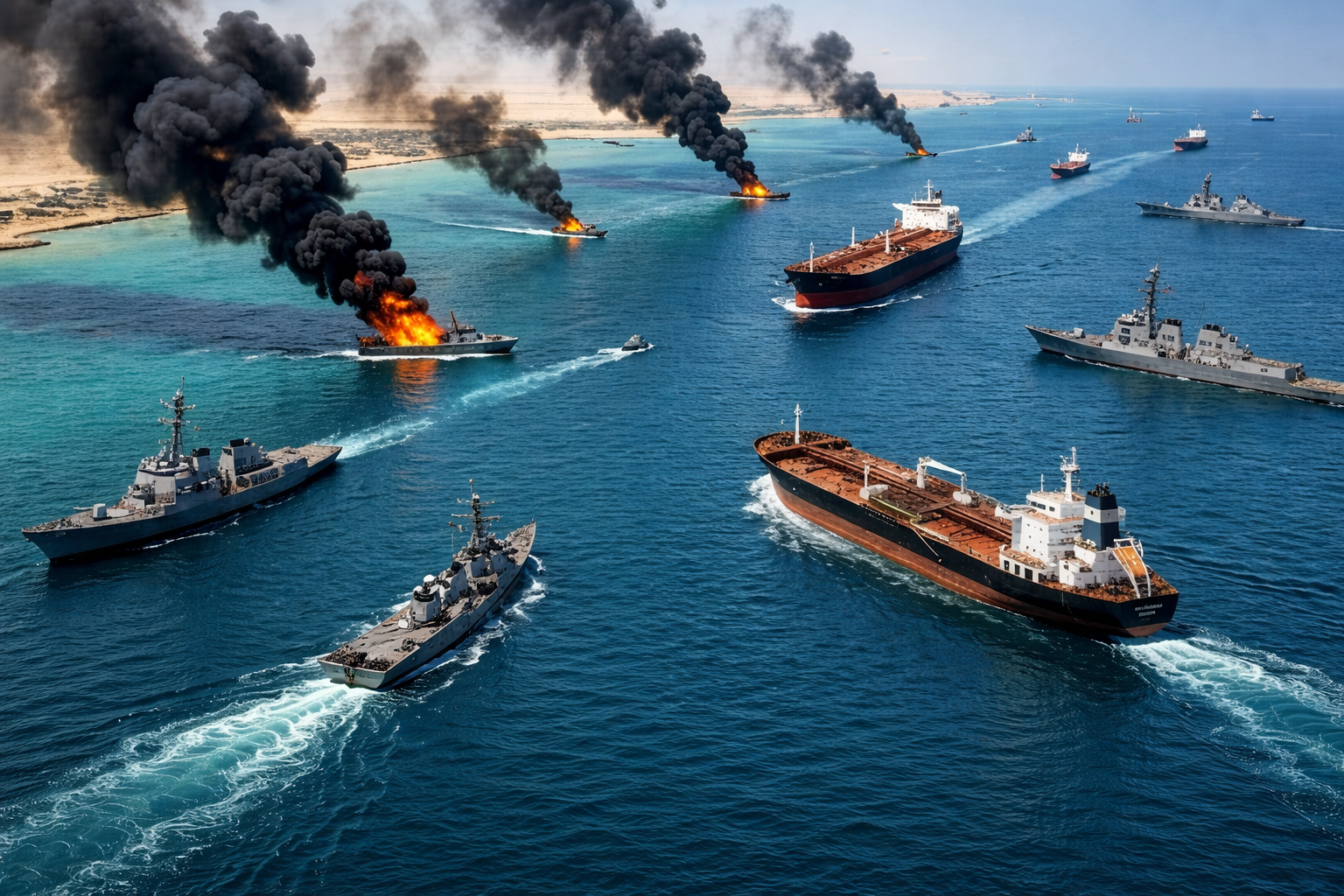
Over recent days, Iran had signaled intentions to restrict traffic through the strait—an artery that carries a significant share of global oil supply—using fast-attack boats, drone activity, and reported mine deployments. In response, the Nimitz group, supported by guided-missile destroyers and a full carrier air wing, launched coordinated operations to secure the area and ensure continued navigation.
F/A-18 Super Hornets operating from the carrier conducted sustained patrols over both sea and airspace, targeting hostile threats and deterring further attempts to interfere with shipping. U.S. forces also focused on clearing and securing key transit lanes, allowing commercial vessels to resume movement under enhanced protection.
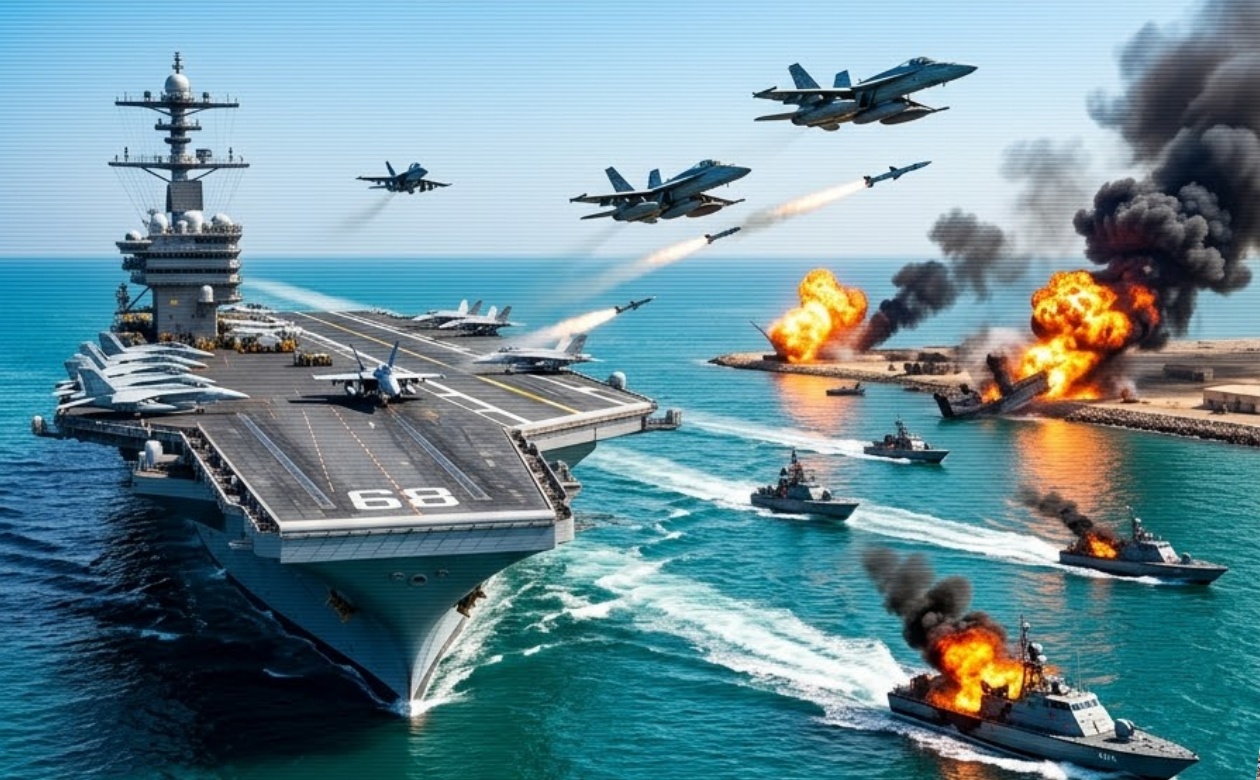
Visual reports and imagery from the region indicate intense operational activity, including low-altitude patrols and precision engagements. The rapid pace of events appears to have disrupted Iran’s initial plans, with fewer public statements emerging from official channels following the operation.
Analysts suggest this development represents both a tactical and psychological turning point. Efforts to exert pressure on global energy flows through the strait appear to have been significantly challenged, while markets have begun to stabilize after earlier volatility tied to fears of prolonged disruption.
The operation highlights the continued importance of carrier strike groups in projecting power and maintaining access to strategic waterways. With the Nimitz maintaining its presence and commercial shipping gradually normalizing, the immediate threat to the corridor has eased—though the broader regional tensions remain unresolved.
The situation underscores a central reality: control of critical chokepoints like the Strait of Hormuz remains a key factor in both military strategy and global economic stability.