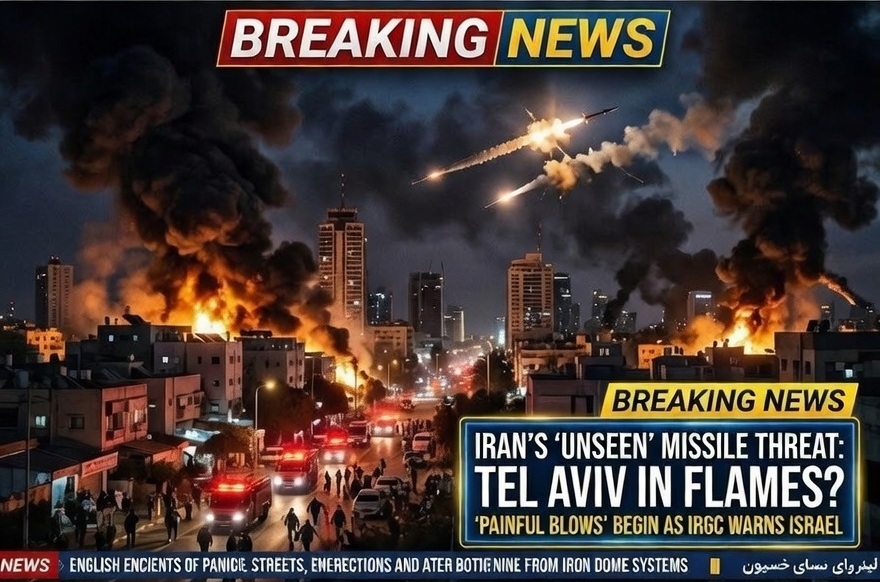
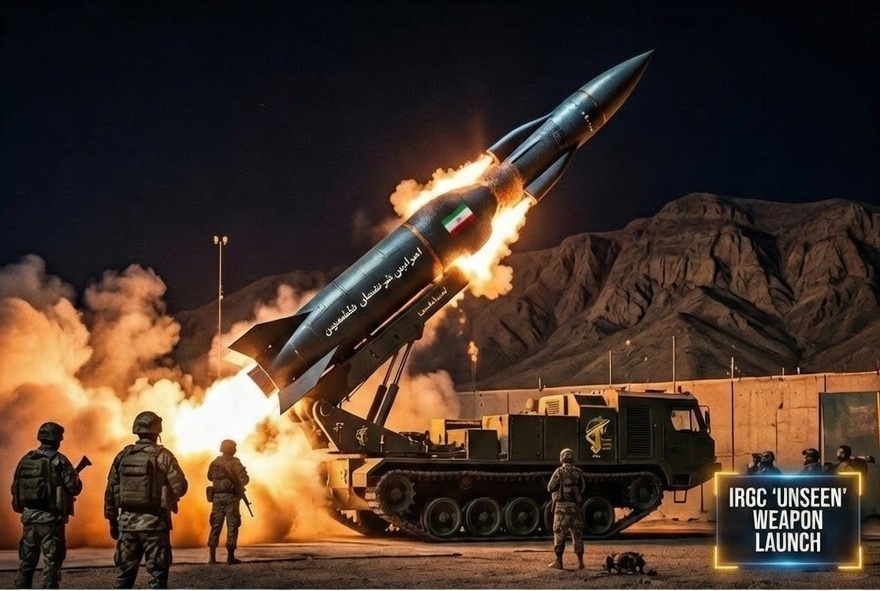
Tensions across the Middle East are intensifying as the confrontation between Iran and Israel grows more volatile. In a recent statement that has drawn widespread concern, Tehran signaled that it may possess advanced weaponry never before revealed publicly, hinting at the possibility of using these capabilities in response to Israeli strikes. The warning comes at a time when both sides appear increasingly willing to escalate, raising fears of a broader regional conflict.
Iran’s message followed a series of Israeli attacks targeting key military assets, including facilities linked to missile development and deployment. In response, Iranian officials suggested that their arsenal includes systems that have not yet been showcased or tested in open conflict. While details remain unclear, the implication is that Tehran could be preparing to introduce new forms of retaliation that go beyond the missile and drone strikes that have characterized the conflict so far. This ambiguity alone has contributed to rising anxiety, as the unknown nature of such weapons makes their potential impact difficult to predict.
The warning also comes in the wake of recent Iranian strikes that reached areas near Tel Aviv. These attacks are part of a broader pattern of long-range operations aimed at Israeli territory, targeting both civilian-adjacent zones and strategic infrastructure. Although Israel’s defense systems have intercepted many incoming threats, and some projectiles have failed to reach their intended targets, the frequency and scale of these strikes have increased noticeably. At the same time, Iran’s public statements have become more assertive, reflecting a shift toward a more confrontational tone.
Beyond the immediate exchange between Iran and Israel, the situation carries wider implications for the region. Iranian officials have suggested that, under continued pressure, they may expand their response to include key energy assets in the Gulf. There have also been renewed warnings about the possibility of disrupting traffic through the Strait of Hormuz, a critical passageway for global oil shipments. Any move to restrict access to this chokepoint could have far-reaching consequences, potentially driving up energy prices and destabilizing international markets.
The international community is closely monitoring these developments. Diplomatic channels remain active, but concern is growing that the introduction of previously unseen weapons could shift the balance of the conflict in unpredictable ways. Military analysts are particularly focused on whether Iran’s claims represent a genuine technological advancement or a strategic effort to deter further attacks through psychological pressure.
Financial markets have also responded cautiously, with fluctuations reflecting uncertainty about how the situation might evolve. Investors and policymakers alike are aware that even a limited escalation could trigger wider disruptions, especially if critical infrastructure becomes a target. For example, a strike on major oil facilities or shipping routes could ripple through global supply chains, affecting everything from fuel prices to transportation costs.
At its core, the current escalation highlights the fragile nature of the regional security landscape. Each new development adds another layer of complexity, making it harder to predict the next move. While both sides continue to demonstrate military capability, the risk lies in how quickly the situation could spiral beyond control, drawing in additional actors and expanding the scope of the conflict.
In this environment, uncertainty is perhaps the most dangerous factor. Whether Iran’s warning signals a real shift in capability or serves primarily as a strategic message, it has already succeeded in heightening tensions. As the situation continues to unfold, the possibility of further escalation remains a pressing concern for the region and the world at large.