The ground is shifting—and this time, it’s not just missiles or airstrikes.
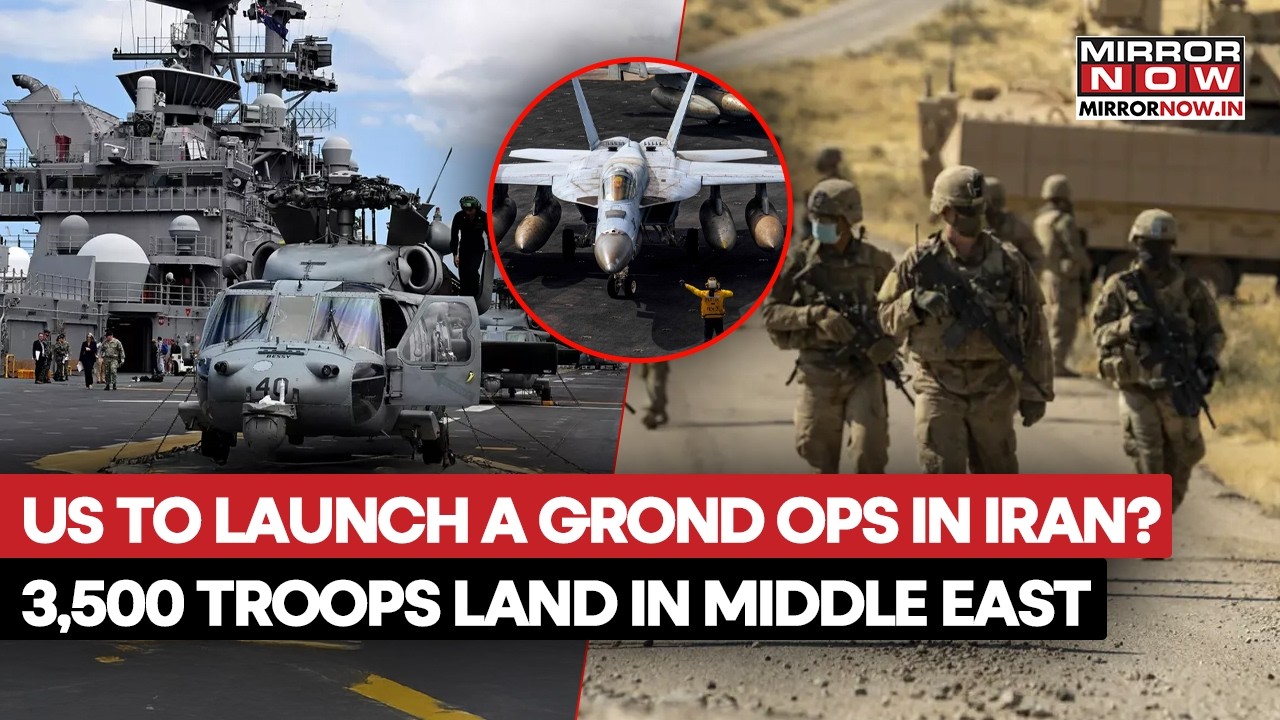
In a move that signals a major escalation, 3,500 U.S. troops have reportedly landed in the Middle East, marking one of the most significant deployments since the conflict began. Transport aircraft touched down under tight security, unloading Marines, armored units, and critical support personnel—each one part of a growing force that could soon be sent into combat.
This isn’t just reinforcement.
This is preparation.
According to defense officials, the troops are being positioned for rapid-response operations, capable of launching into multiple مناطق within hours. Their mission remains officially undefined—but the message is unmistakable: the U.S. is getting ready for something bigger.
And all eyes are on one possibility.
A ground operation.
Behind the scenes, military planners are reportedly working through scenarios that range from targeted raids on Iranian facilities to broader operations aimed at securing strategic assets, including missile sites and energy infrastructure. These plans are complex, risky, and potentially game-changing.
Because once troops cross that line—there’s no easy way back.
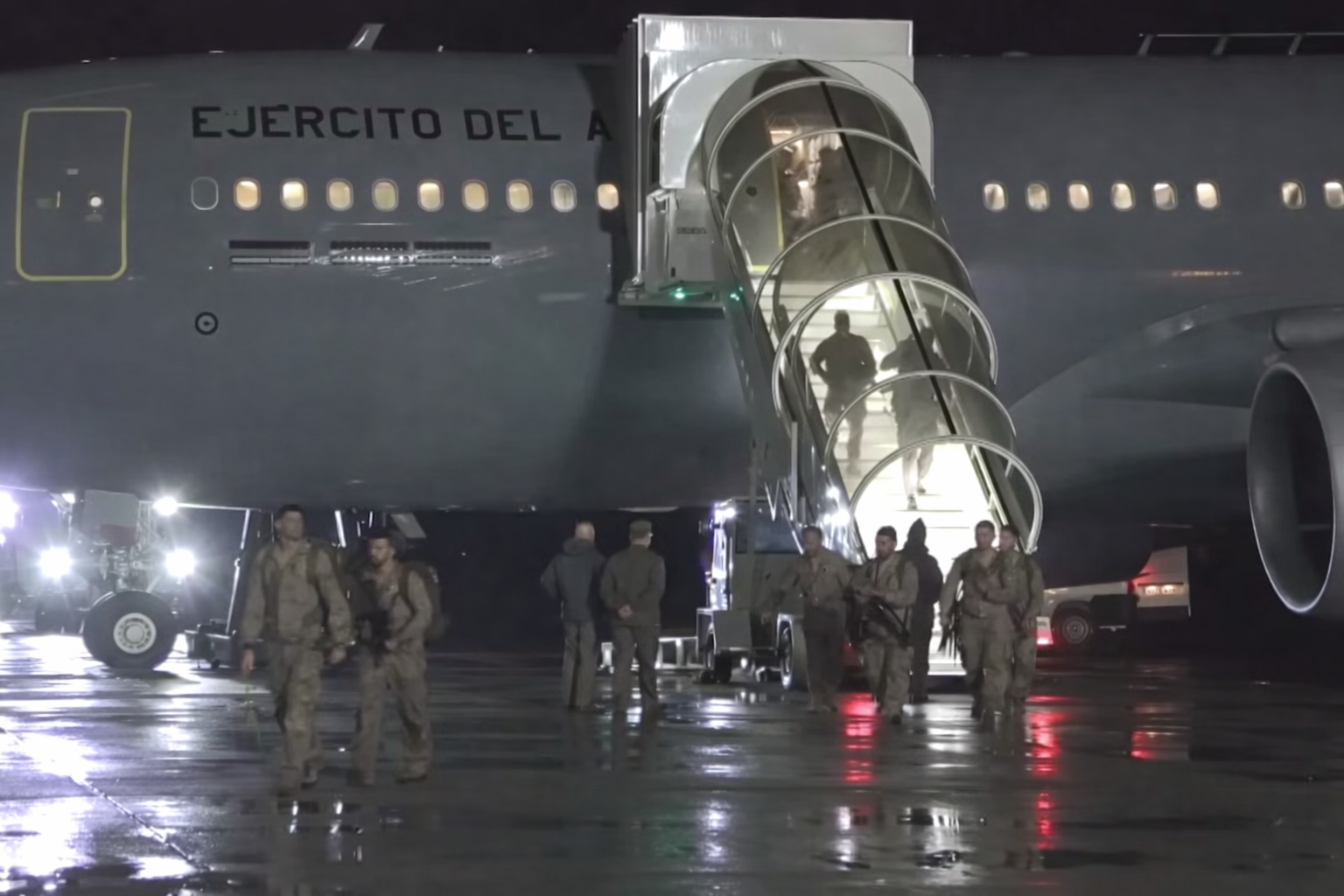
The deployment also includes advanced equipment, logistics units, and air support coordination, suggesting this isn’t a symbolic move. It’s a fully structured military posture, designed for sustained operations if needed.
Meanwhile, Iran is watching closely.
Tehran has already warned that any ground incursion would trigger a massive retaliation, not just inside its borders but across the region. U.S. bases in Iraq, Syria, and the Gulf could become immediate targets. Proxy forces could activate. And critical shipping lanes—especially near the Strait of Hormuz—could face disruption.
In other words, this could spread fast.
Very fast.
And that’s what makes this moment so dangerous.
A ground operation in Iran would be unlike anything the U.S. has faced in decades. The terrain is vast. The defenses are layered. And Iran has spent years preparing for exactly this kind of scenario—building underground facilities, mobile missile units, and asymmetric warfare strategies designed to slow down even the most powerful military.
Experts warn that even a “limited” operation could spiral into a prolonged conflict.
High casualties. Regional escalation. Global consequences.
Still, the momentum is building.
Warships are already in position. Airstrikes are ongoing. And now, boots are on the ground—closer than ever to the front lines.
So what happens next?
If these troops are used for anything beyond deterrence—if even a single operation begins—the entire conflict could shift overnight. Iran would respond. Allies would be pulled in. And the الحرب could expand far beyond its current boundaries.
For now, the troops wait.
But in war, waiting rarely lasts long.
Because once the first move is made… everything changes.