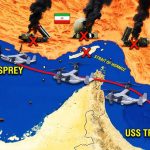
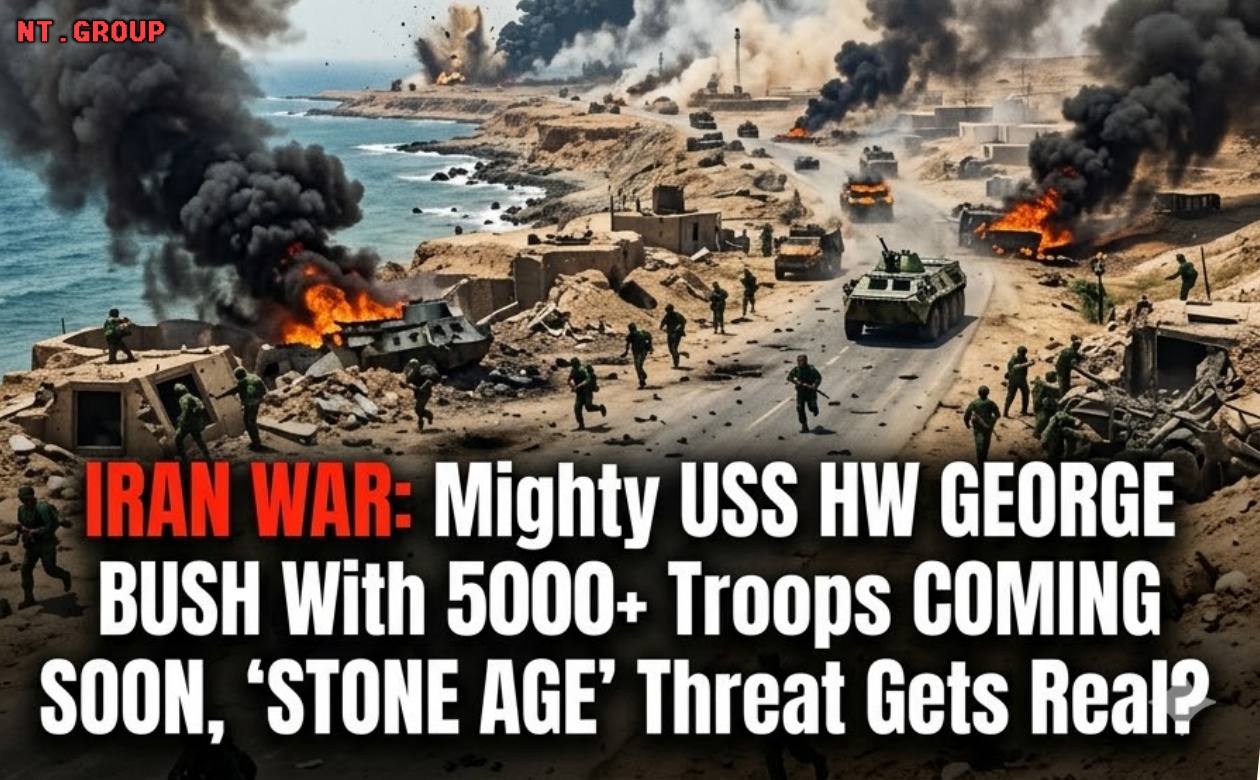
In a dramatic escalation of the ongoing conflict with Iran, the U.S. Navy is deploying the nuclear‑powered aircraft carrier USS George H.W. Bush to the Middle East as tensions with Tehran remain high. This new movement adds even more military power to the region at a time when strikes, missile exchanges, and troop deployments are intensifying.
The George H.W. Bush — a 100,000‑ton Nimitz‑class supercarrier — departed Norfolk, Virginia on March 31, 2026, and is scheduled to enter the U.S. Central Command’s theatre of operations in the coming weeks. The carrier strike group includes more than 5,000 sailors, aviation personnel, and support staff, along with its air wing of fighters, electronic warfare jets, and early‑warning aircraft.
This deployment marks the third U.S. aircraft carrier mobilized for operations linked to the Iran conflict, alongside the USS Gerald R. Ford (recently rejoining missions after repairs) and the USS Abraham Lincoln already operating in the Arabian Sea. Having multiple carriers present gives U.S. forces the ability to sustain continuous air operations, project power across wide areas, and provide protective coverage for naval and ground units alike.
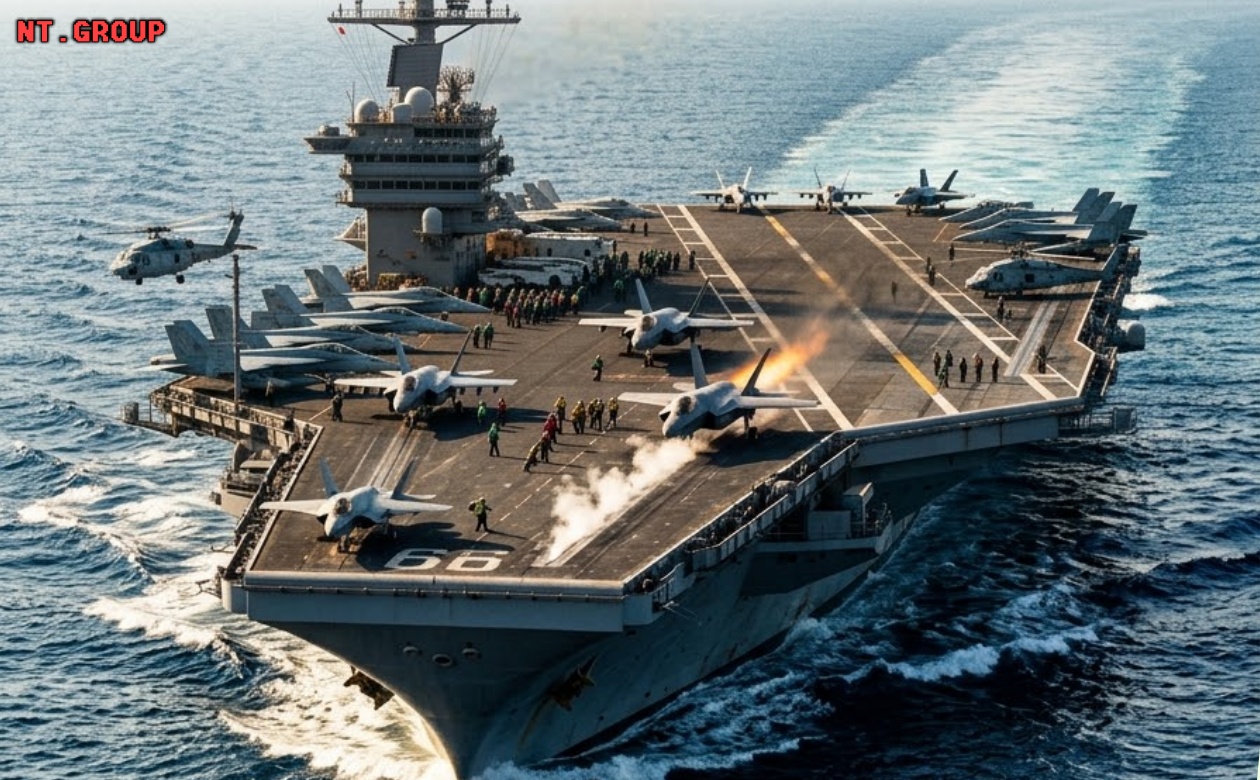
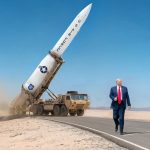
The U.S. decision to send George H.W. Bush follows President Trump’s repeated warnings that he would use overwhelming force if diplomatic negotiations fail — even going so far as to threaten to reduce Iran “back to the Stone Age” if attacks on U.S. allies continue.
In addition to aerial strike capability, carrier strike groups bring a range of strategic options:
- F/A‑18 and F‑35C fighters that can conduct air superiority and precision strikes deep into hostile territory.
- Growler electronic warfare aircraft to confuse and degrade enemy communications and radar.
- A protective screen of destroyers armed with long‑range missiles, anti‑submarine weapons, and missile defence systems.
Meanwhile, the broader US military buildup includes additional troop deployments. Thousands of Marines, airborne units like the 82nd Airborne Division, and other ground‑capable forces are already arriving in the theater to provide flexible response options ranging from rapid ground assaults to emergency evacuations — although no full‑scale ground invasion has been announced.
The arrival of George H.W. Bush — once it reaches the region — will be a significant moment in the conflict, signaling a shift toward sustained, high‑intensity operations rather than short‑term strikes. Whether this supercarrier will soon see combat missions over Iranian airspace or remain poised as a deterrent, its presence underscores the seriousness of the current phase of the Iran war and the high stakes involved for both sides.