In a significant shift in the ongoing 2026 Iran war, the combined military campaign by Israel and the United States appears to be entering a new strategic phase — one that goes beyond hitting strictly military targets and aims squarely at crippling the economic infrastructure that sustains Iran’s war machine. Recent airstrikes against Iran’s industrial backbone, notably its largest steel complex, have raised alarm within Tehran and reportedly left commanders of the Islamic Revolutionary Guard Corps (IRGC) scrambling to respond.
At the center of this escalation is Mobarakeh Steel Company in Isfahan — the Middle East’s largest steel producer and a cornerstone of Iran’s industrial economy. In a second series of strikes in under a week, the complex was hit again by air attacks attributed to U.S. and Israeli forces, inflicting “heavy damage” to production units and forcing a complete shutdown of all operations. The company instructed employees not to report back as safety concerns persist and facilities remain compromised.
Mobarakeh’s shutdown is more than symbolic — it strikes at a sector that underpins both civilian and military logistics. Steel is a critical input for everything from construction and export revenue to weapons production and defense infrastructure. Iranian analysts have noted that targeting these facilities amounts to hitting the economic lifeblood of the nation, not just its armed forces.
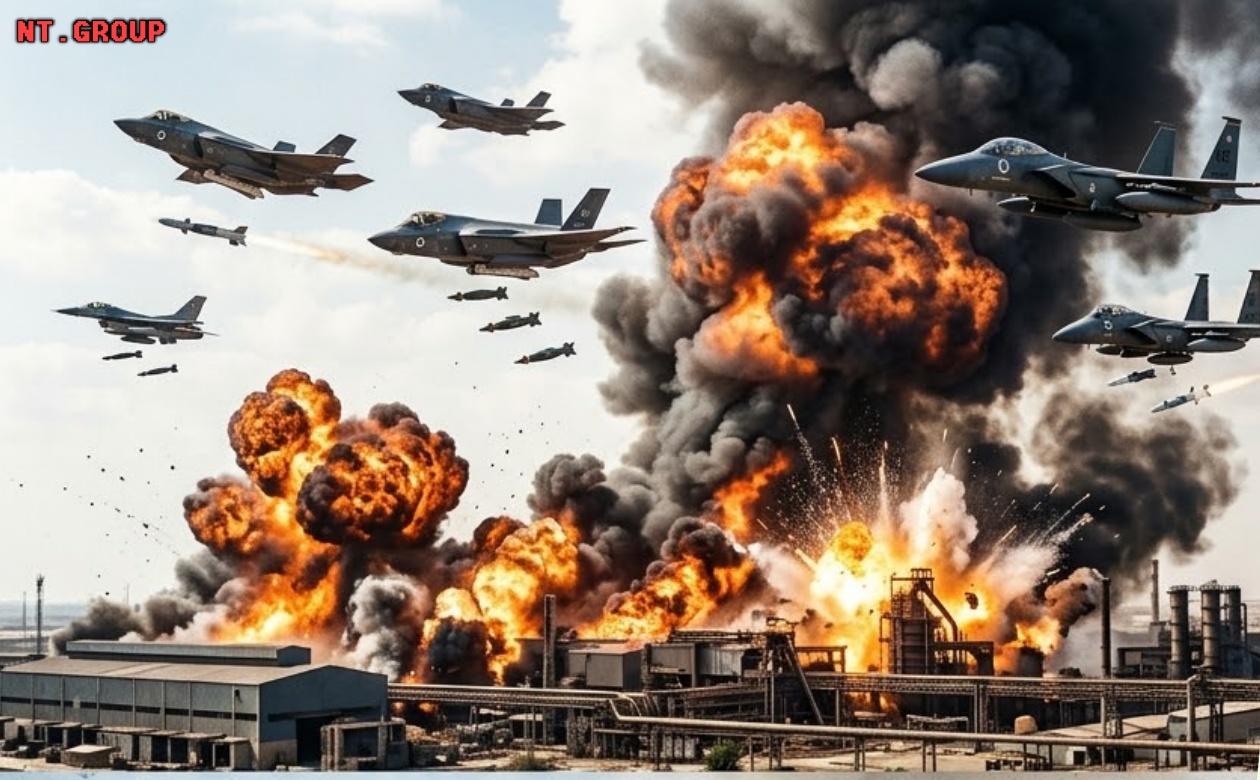
The apparent logic behind these strikes reflects a broader IDF and U.S. strategy shift. Earlier phases of the campaign focused largely on degrading Iran’s nuclear and missile programs, ballistic capabilities, and IRGC command-and-control nodes. As those objectives near partial completion, military planners appear to be widening the scope to apply economic pressure, disrupting the industrial base that enables Iran to fund, produce, and sustain long-term conflict.
This shift has reportedly unsettled Tehran’s leadership, including senior IRGC figures who have historically relied on the nation’s industrial sectors both for financing and for producing dual-use materials that feed into defense manufacturing. According to some regional assessments, this has contributed to a narrative within Tehran that the war is not just military but systemic — attacking Iran’s capacity to recover or sustain itself economically.
Iranian state‑aligned media have condemned the strikes as “economic terrorism,” accusing Israel and the U.S. of deliberately targeting civilian infrastructure under the guise of military necessity. These developments have sparked broader debate internationally over the legality and long‑term impact of such tactics.
Whether this strategy will force Tehran to alter its military posture, accelerate negotiations, or deepen resistance remains uncertain. What is clear, however, is that both sides are now contesting not just battlefields, but economic arteries — a development that could shape the broader trajectory of the war for months to come.