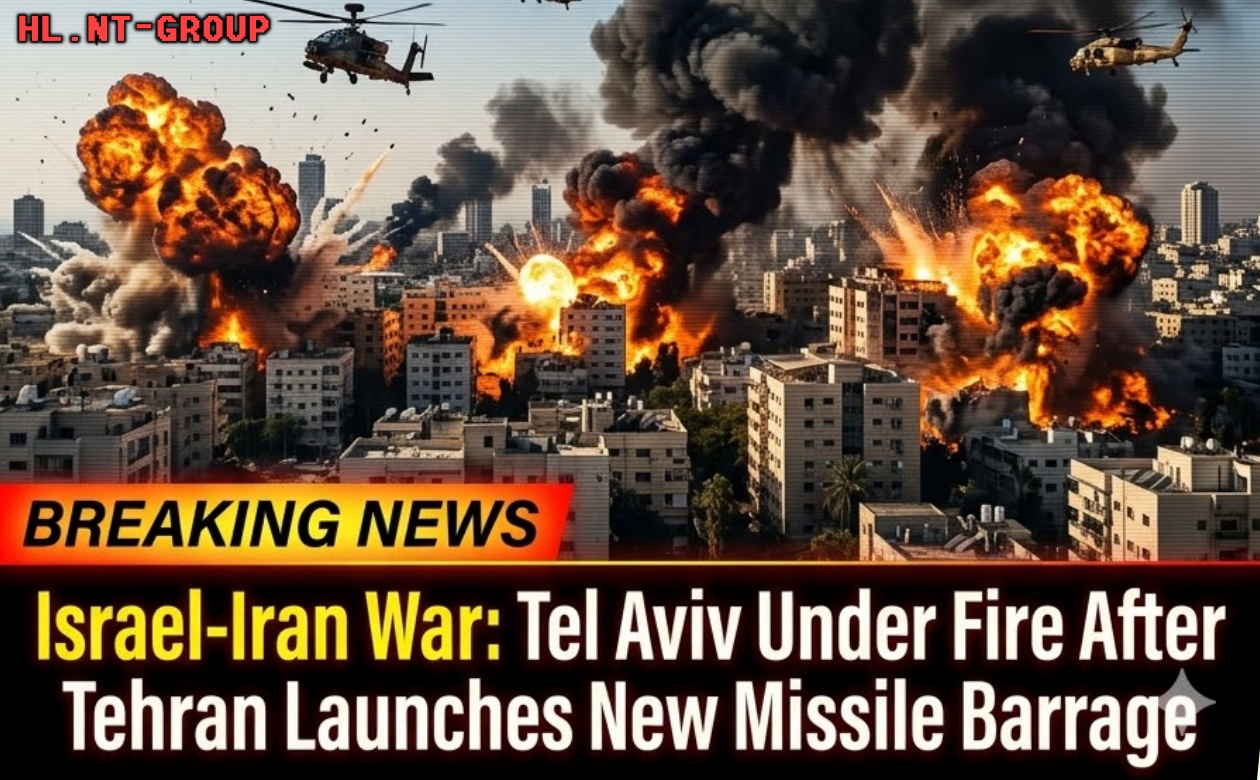
The long‑escalating Israel–Iran war entered another dangerous phase as Iranian forces launched a fresh missile barrage toward central Israel, triggering air‑raid sirens and explosions over Tel Aviv and surrounding cities. The Israeli military confirmed that air‑defense systems were active in response to incoming Iranian missiles in the early hours of the assault, as defensive batteries engaged waves of projectiles in an effort to protect major population centers.
According to official Israeli statements, Tehran’s renewed barrage included ballistic missiles and cluster‑munitions warheads intended to inflict widespread disruption and pressure Israel militarily and politically. The strike comes amid continued intense hostilities between the two nations, with both sides trading heavy fire for weeks as the conflict extends beyond their borders into wider regional flashpoints.
Residents in Tel Aviv and central Israel were forced into bomb shelters as air‑raid warnings sounded repeatedly, underscoring the vulnerability of even the country’s largest cities. Initial reports suggested that at least some missiles or their fragments penetrated defensive layers, resulting in localized explosions and damage in parts of the Tel Aviv metropolitan area. Russia’s Anadolu Agency reported impacts in central Israel with no immediate casualty figures confirmed at first.
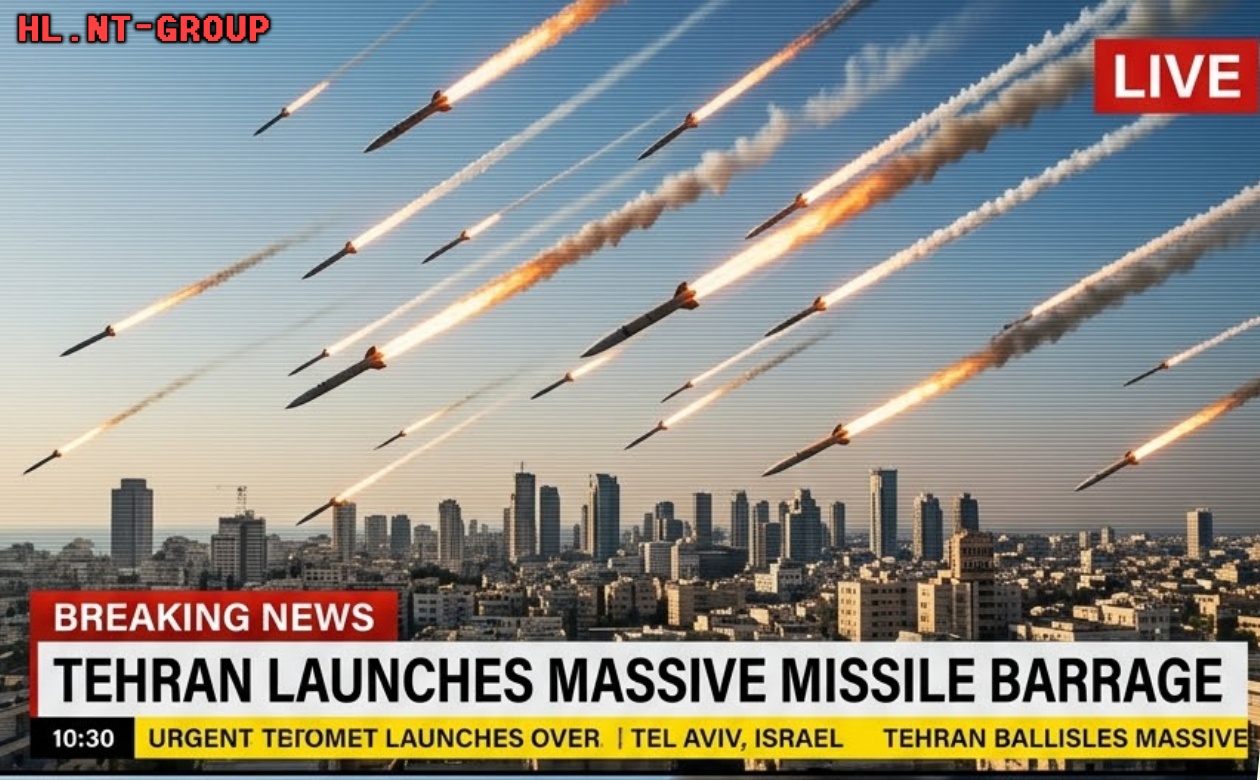
This latest barrage by Tehran is part of a sustained Iranian campaign targeting Israeli territory with long‑range weapons after Israel intensified air strikes on Iranian infrastructure both within the country and in allied regions. Earlier strikes by Israel reportedly hit Iranian military and strategic targets, prompting Tehran to launch waves of retaliatory missiles aimed at key urban and strategic areas.
In addition to the attacks on Tel Aviv, explosions and emergency alerts were reported in other parts of Israel as the salvo extended across multiple fronts. The broader conflict has already seen numerous missile exchanges and air battles, with regional actors such as Yemen’s Houthis also claiming missile launches toward Israel, adding to the complexity and danger of the wider war.
Israeli authorities have reiterated calls for civilians to heed Home Front Command warnings, seek shelter promptly, and stay informed via official channels as air defenses continue to operate around the clock. At the same time, national emergency services have been deployed to assess and respond to impact sites, with reinforcements sent to the affected areas.
International reactions have been mixed. Some Western nations have condemned the missile fire toward civilian population centers, while diplomatic efforts to secure ceasefires or negotiate de‑escalation continue behind the scenes, albeit with limited progress so far. With the conflict deepening and the skies over Israel repeatedly lit by explosions and defense intercepts, the specter of a wider regional confrontation looms larger than ever.