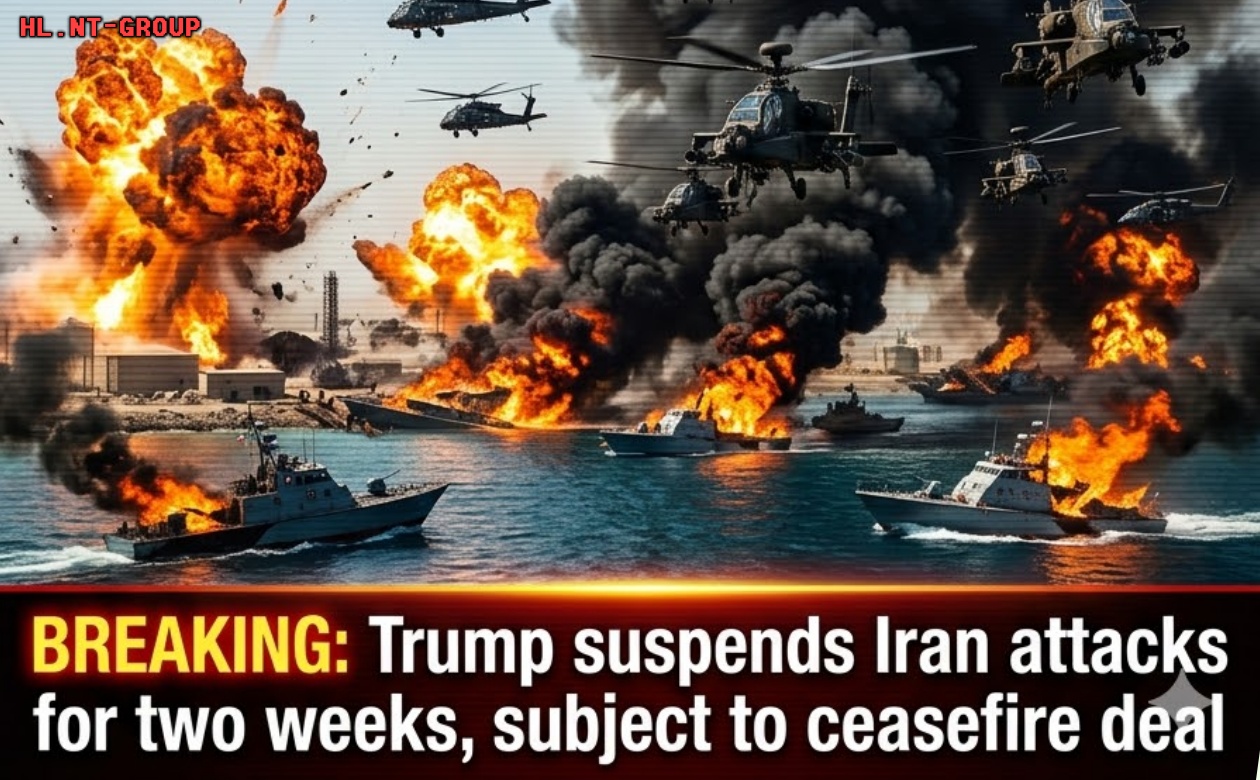
In a dramatic and last-minute shift, former U.S. President Donald Trump has announced the suspension of military attacks on Iran for a period of two weeks, signaling a potential turning point in a rapidly escalating conflict. The decision came just hours—some reports say less than two hours—before a self-imposed deadline that had raised fears of massive and unprecedented strikes.
Trump described the move as part of a “double-sided ceasefire,” emphasizing that the pause in hostilities is conditional. Central to the agreement is Iran’s commitment to fully and safely reopen the Strait of Hormuz, a critical global shipping route responsible for a significant portion of the world’s oil supply. Failure to meet this condition could potentially trigger a resumption of military operations.
The ceasefire was reportedly brokered through intense diplomatic efforts led by Pakistan, with Prime Minister Shehbaz Sharif and senior military officials playing a key mediating role. Their intervention appears to have provided both Washington and Tehran with a crucial off-ramp at a moment when tensions were nearing a breaking point.
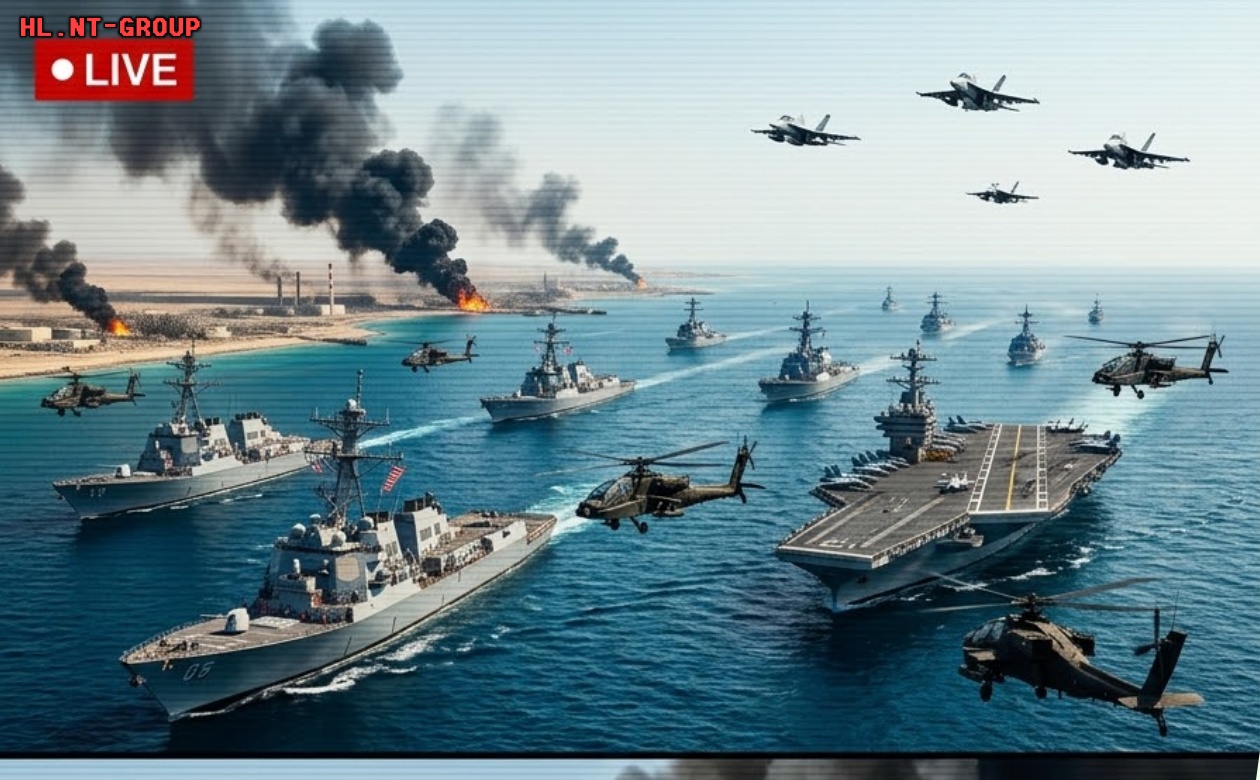
Trump justified the decision by claiming that U.S. military objectives had already been “met and exceeded,” suggesting that continued large-scale bombing was no longer necessary. He also pointed to a 10-point proposal from Iran, describing it as a “workable basis” for negotiations and hinting that a broader, long-term peace agreement may be within reach.
Despite the announcement, the ceasefire remains fragile. Iran has indicated willingness to cooperate, including reopening the Strait, but has also warned that it will respond decisively to any violations. Meanwhile, Israel—also involved in the broader conflict—has agreed in principle to the pause, though its actions will likely depend on developments on the ground.
The sudden shift from brinkmanship to diplomacy has drawn mixed reactions globally. Financial markets responded positively, with oil prices dropping sharply amid hopes of de-escalation. However, political reactions in the United States have been more divided, with critics questioning both the initial threats and the abrupt reversal.
Ultimately, this two-week suspension represents more than just a pause in fighting—it is a critical window. Whether it leads to a lasting peace or merely delays further conflict will depend on the success of ongoing negotiations and the willingness of both sides to compromise. For now, the world watches closely as diplomacy attempts to succeed where force has so far failed.