
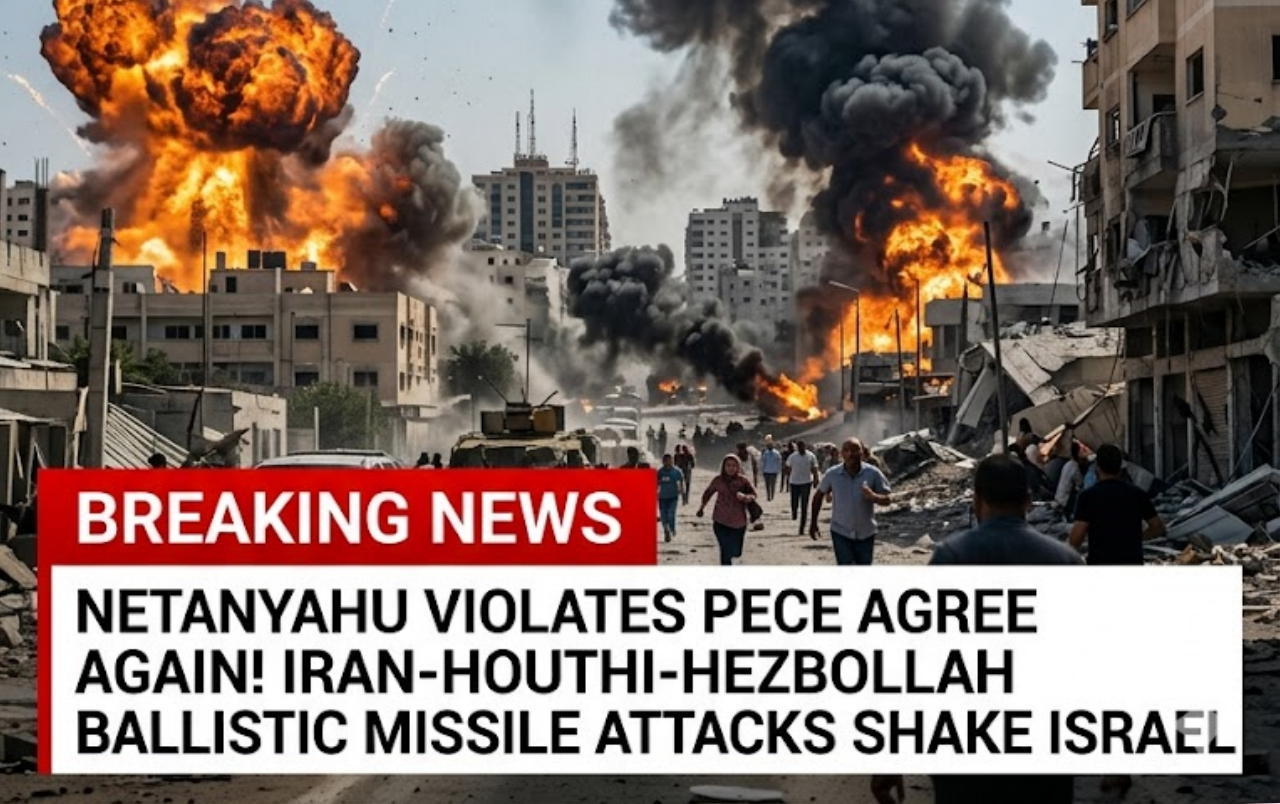
In a shocking turn of events, tensions in the Middle East have surged once again as Israeli Prime Minister Benjamin Netanyahu faces accusations of violating a fragile peace agreement, triggering a wave of coordinated missile attacks against Israel. The situation has rapidly escalated, with Iran and its regional allies—Hezbollah in Lebanon and the Houthis in Yemen—launching ballistic missiles that have shaken multiple Israeli cities.
The controversy stems from Israel’s continued military operations despite a recently announced ceasefire between Iran and the United States. Israeli officials, including Netanyahu, have argued that the truce does not apply to Hezbollah in Lebanon, and therefore military actions there have continued unabated. This interpretation has been strongly disputed by Iran and other mediators, who insist that the ceasefire was meant to include all fronts, including Lebanon. The disagreement has created a dangerous gray zone, where both sides accuse each other of breaking the deal.
Within hours of renewed Israeli strikes—particularly in Lebanon—retaliation followed. Reports indicate that Hezbollah, alongside Iranian support, launched rockets and missiles toward northern Israel, while the Houthis fired long-range ballistic missiles from Yemen in coordinated operations. These attacks, part of what some analysts describe as an “Axis of Resistance” strategy, demonstrate increasing military coordination among Iran-aligned groups across the region.
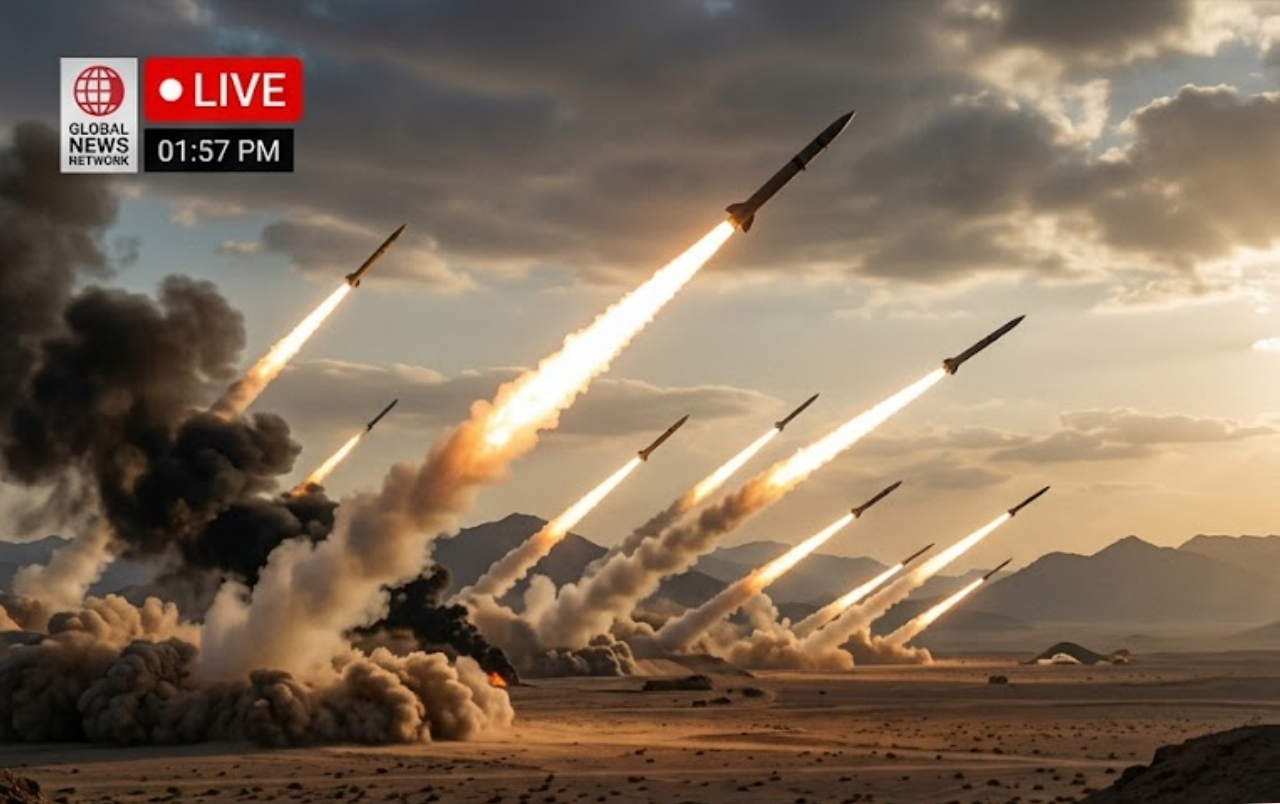
Air raid sirens reportedly sounded across several Israeli مناطق, forcing civilians into shelters as missile defense systems were activated. While many incoming projectiles were intercepted, the sheer حجم and frequency of the attacks have raised concerns about the limits of Israel’s defensive capabilities under sustained multi-front pressure. Previous incidents have shown that even advanced systems like Iron Dome and Arrow can be overwhelmed or fail under certain conditions.
Meanwhile, Netanyahu has taken a defiant stance, warning that the ceasefire is “not the end” of the conflict and emphasizing that Israel remains ready to resume full-scale military operations if necessary. This rhetoric, combined with ongoing strikes, has fueled fears that the region may be sliding back toward open war rather than moving toward de-escalation.
The broader implications are deeply concerning. A coordinated missile campaign involving Iran, Hezbollah, and the Houthis suggests that any localized conflict could quickly expand into a regional confrontation. With shipping routes, النفط markets, and global الأمن already under strain, further escalation could have worldwide consequences.
Ultimately, the latest developments highlight the fragility of the current peace agreement. What was meant to be a pause in hostilities now appears increasingly unstable. As missiles continue to fly and accusations mount, the question remains: is this merely a temporary flare-up—or the beginning of a much larger and more dangerous phase of conflict?