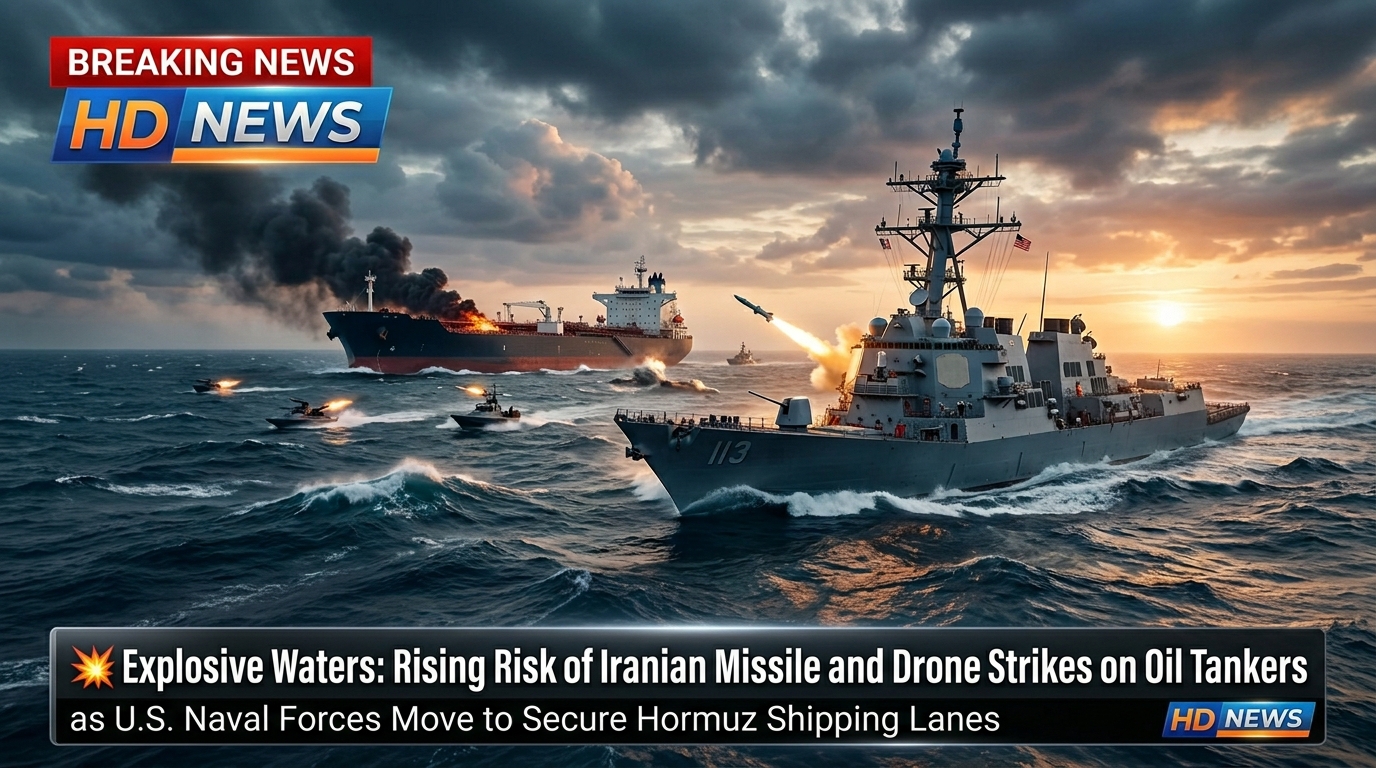
Tensions in the Strait of Hormuz have reached a critical threshold as intelligence reports warn of an increased risk of missile and drone strikes targeting commercial tankers. In response, U.S. naval forces have significantly stepped up their presence in the region, aiming to secure one of the world’s most vital and vulnerable shipping corridors.
According to defense officials and maritime security sources, recent surveillance data suggests that both land-based missile systems and unmanned aerial vehicles could pose an elevated threat to vessels transiting the strait. While no large-scale attack has been confirmed in the past several days, the persistent risk has led to heightened alert levels across all naval units operating in the area.
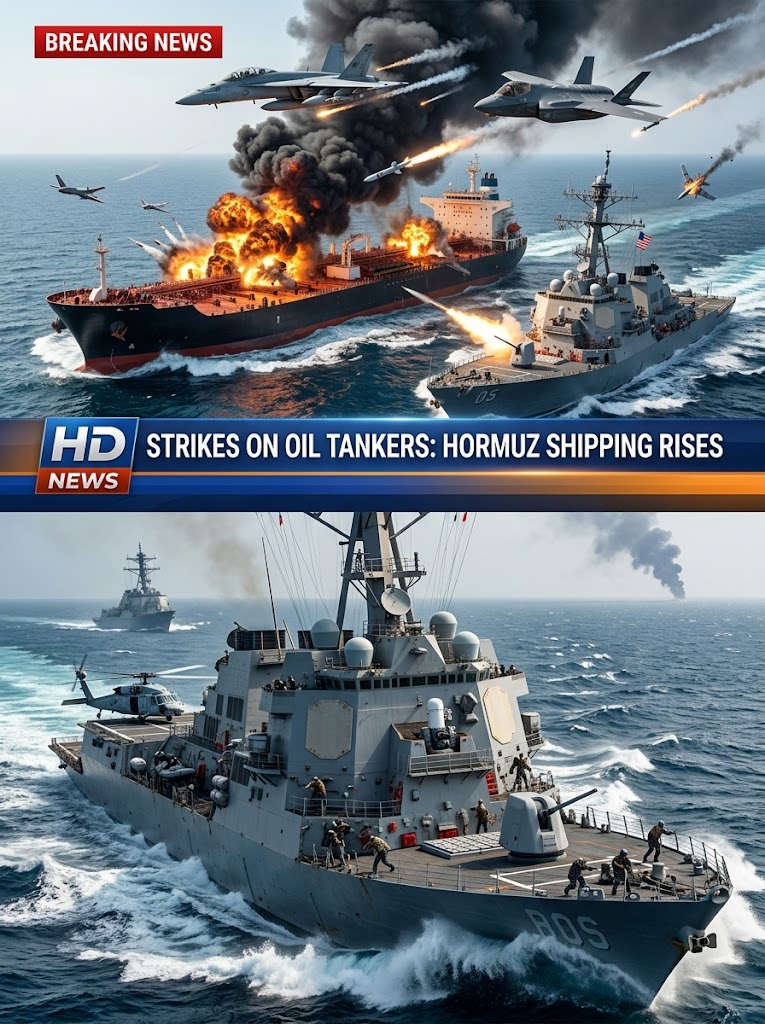
The U.S. Navy has deployed additional destroyers, surveillance aircraft, and support vessels to escort commercial shipping through designated corridors. These measures are designed to deter potential strikes and ensure the safe passage of oil tankers and LNG carriers, which continue to face unpredictable operating conditions. Military commanders describe the situation as “highly dynamic,” requiring constant monitoring and rapid response capability.
The Strait of Hormuz remains a strategic chokepoint for global energy supplies, with nearly a fifth of the world’s oil passing through its narrow waters. Any successful missile or drone attack on a tanker could have immediate and far-reaching consequences, not only for regional stability but also for global energy markets. Even the threat alone has already contributed to increased volatility in oil prices.
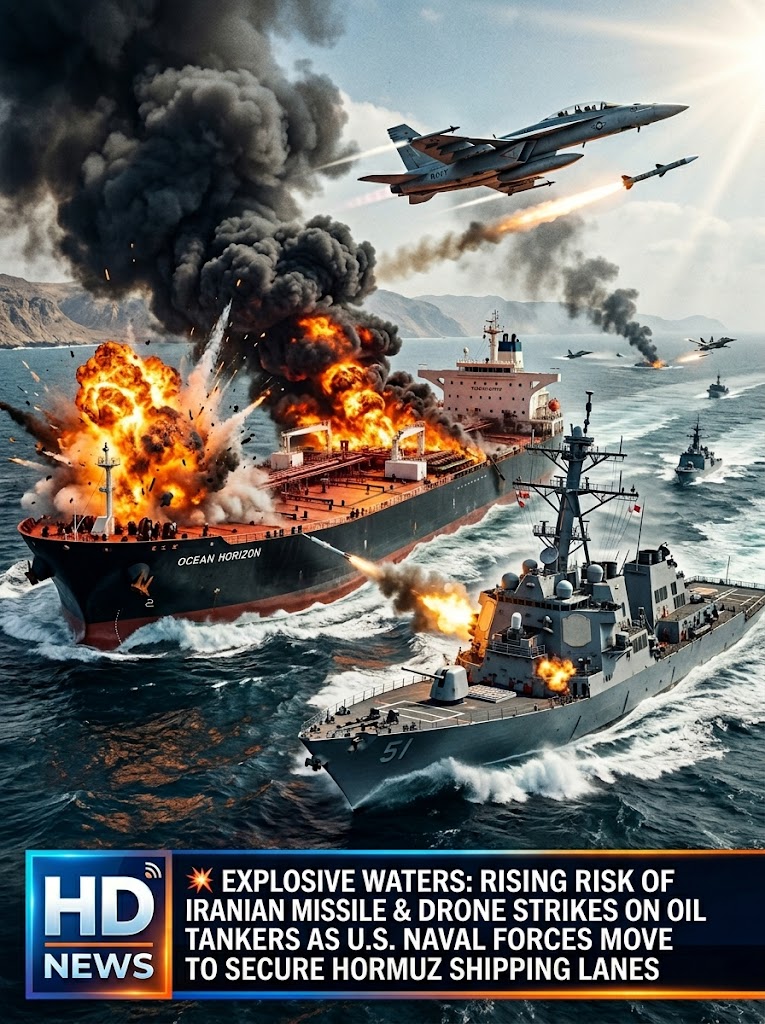
Shipping companies are operating under strict advisories, with many vessels now traveling in convoys under naval escort. Some operators have chosen to delay or reroute shipments entirely, reflecting growing concerns about the unpredictability of the security environment. Crews navigating the strait report heightened anxiety, with constant alerts and communication updates from naval authorities.
At the same time, regional actors continue to maintain military presence in and around the waterway, further complicating the security landscape. Analysts warn that the dense concentration of naval assets, combined with drone surveillance and missile capabilities on both sides, increases the risk of miscalculation or accidental escalation.
Diplomatic efforts to stabilize the situation are ongoing, but progress remains fragile. International leaders have urged restraint and emphasized the importance of protecting freedom of navigation. However, with trust at a low point and military deployments increasing, the gap between political messaging and operational reality remains wide.
Energy markets are closely watching developments, with traders reacting swiftly to every new security report. Analysts caution that if the threat level persists or escalates, global supply chains could face sustained disruption, driving higher costs across multiple sectors.
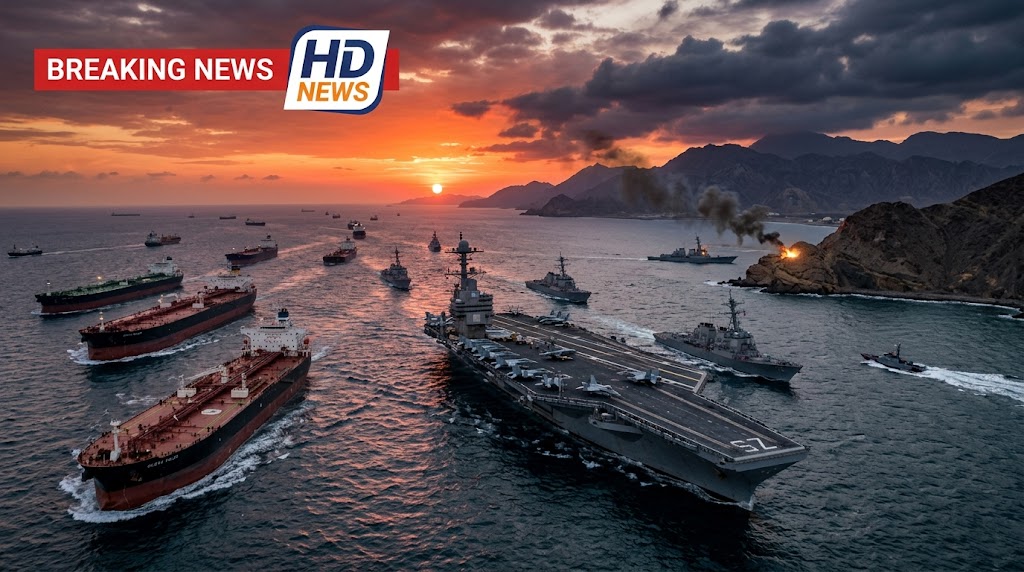
As U.S. forces work to secure the strait, the waters of Hormuz remain on edge—where every radar signal and drone sighting carries the potential to shift the balance between stability and crisis.