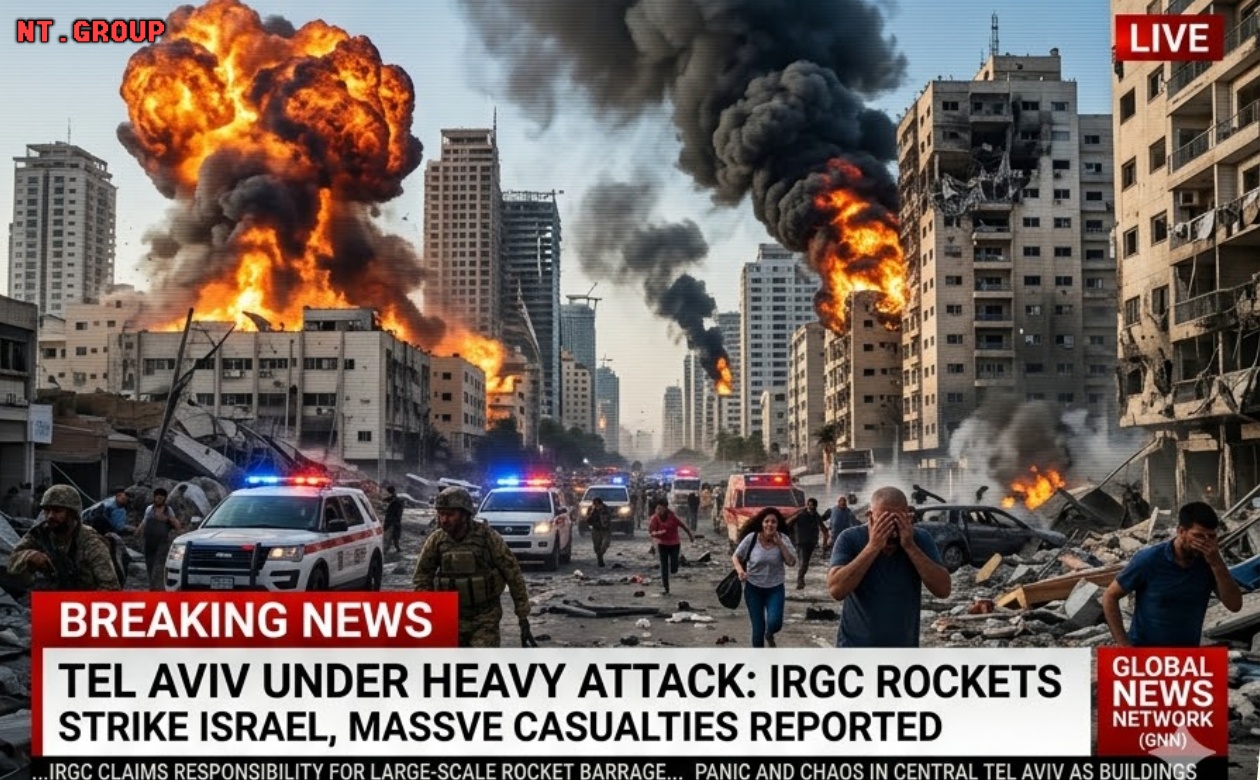
In a dramatic escalation of the ongoing regional conflict, waves of Iranian missiles and rockets have slammed into Israeli territory, including areas around Tel Aviv, triggering sirens, panic, and reports of damage and injuries amid fierce air‑defence battles.
On April 2–3, 2026, Iran’s Islamic Revolutionary Guard Corps (IRGC) launched what it described as a massive salvo of ballistic missiles in what Tehran called “Wave 91” of its ongoing offensive against Israel. According to Iranian state media, these strikes targeted central population centres including Tel Aviv and Haifa, forcing millions of civilians to seek shelter as air‑raid sirens wailed across the country.
In some impact zones, rescue crews and emergency services were seen scrambling through debris and shattered glass following explosions from intercepted and un‑intercepted missiles, even in heart of the Tel Aviv metropolitan area, as authorities urged residents to stay in protected spaces until the threat had passed.
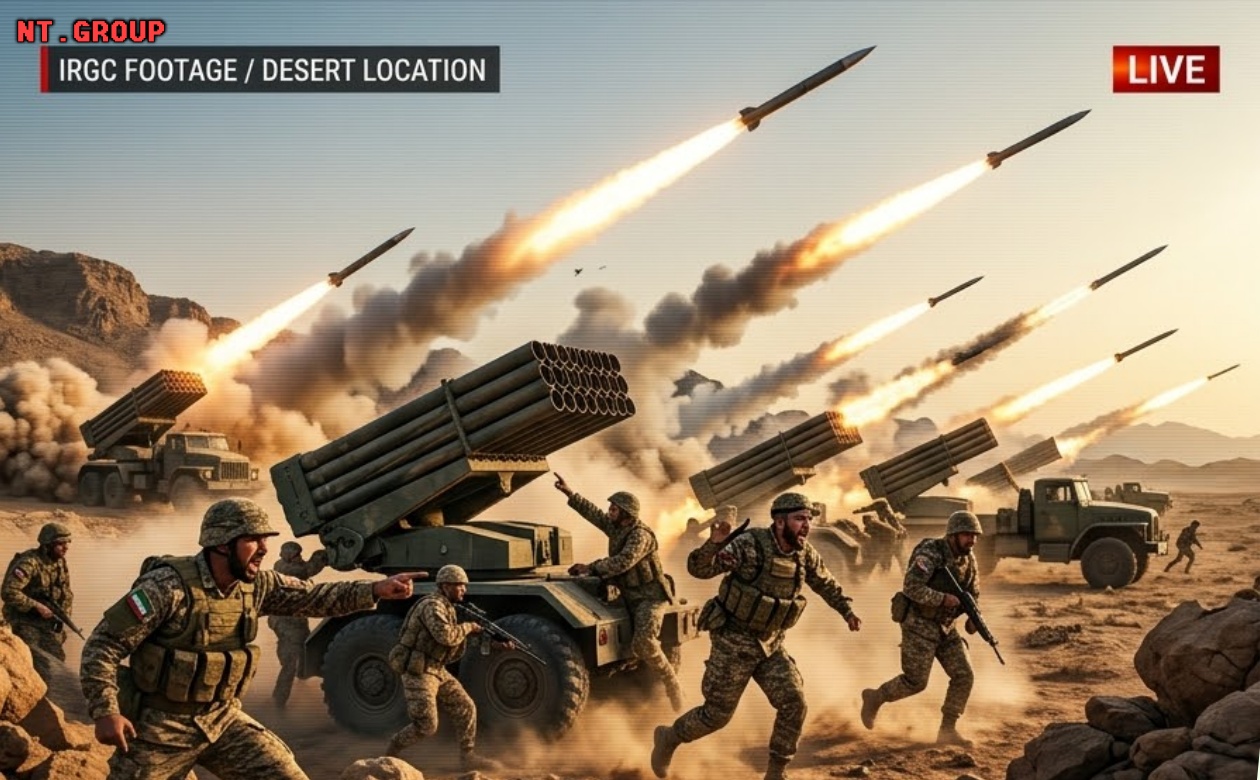
While Israel’s sophisticated air‑defence systems—including Iron Dome, David’s Sling, and Arrow interceptors—have shot down a large number of incoming threats, a handful of Iranian missiles and rocket fragments have nonetheless penetrated defences, causing notable structural damage and triggering emergency responses.
Local medical services reported multiple injuries in the greater Tel Aviv area, with some civilians lightly wounded as debris and shockwaves rattled buildings and shattered windows during the missile barrage.
The intensity of these attacks comes as the conflict between Tehran and the U.S.–Israel coalition enters its second month, with Israel and allied forces continuing a broad air campaign against Iranian military infrastructure, missiles, weapons production facilities, and strategic sites deep inside Iran. In response, Iran has repeatedly launched missiles toward central and northern Israel, marking one of the most sustained aerial bombardment campaigns in decades.
The psychological impact has been profound. Scenes of families rushing into public bunkers and makeshift shelters during repeated warning sirens highlight the strain on everyday life, with many residents describing moments of panic as explosions shook urban centres once considered relatively safe from direct attacks.
As the war expands, the repeated Iranian strikes on Tel Aviv and other major cities serve as a stark reminder that modern conflict has blurred the line between frontlines and civilian life, with rockets and ballistic missiles threatening key urban hubs just as intensely as traditional battlefields.