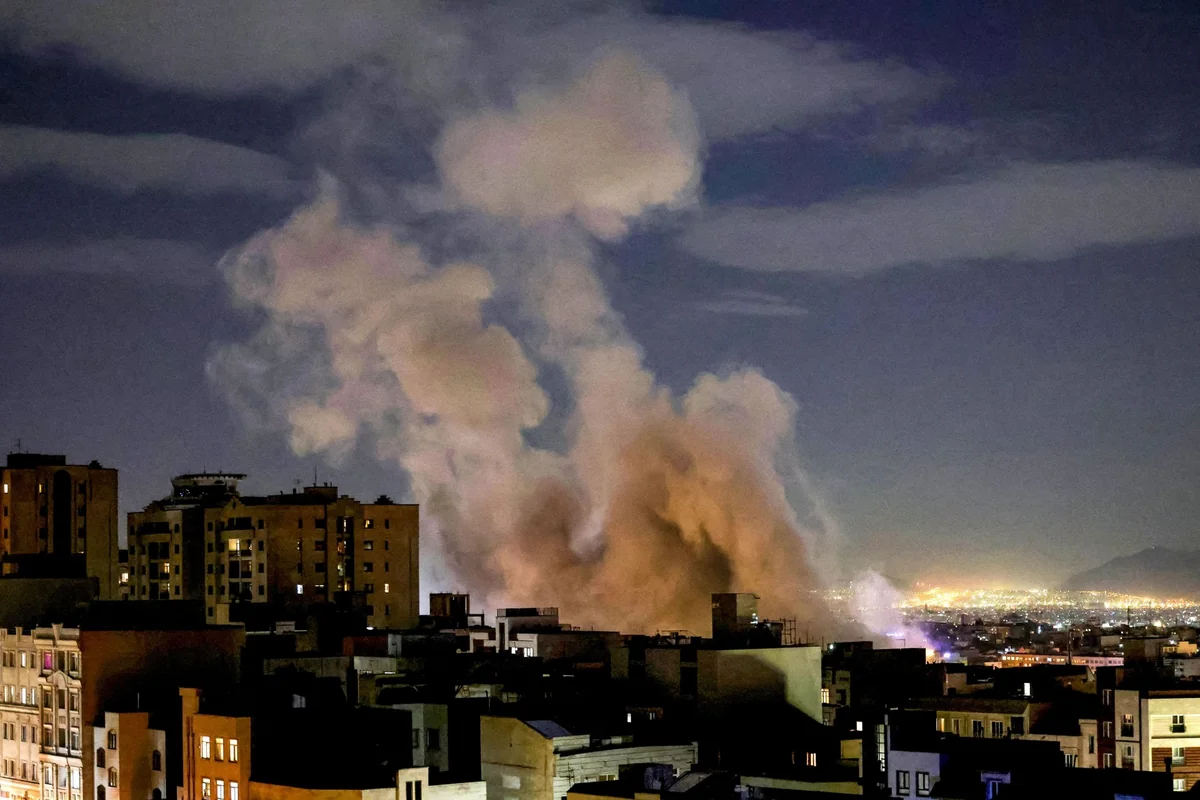
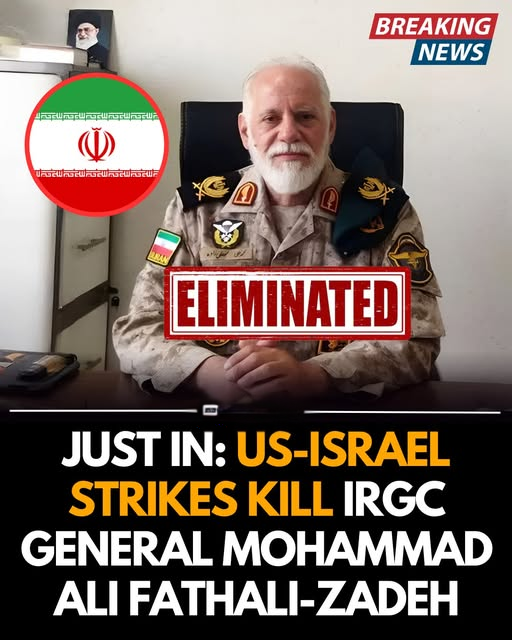
Tensions in the Middle East have reached a boiling point following a high-profile joint military operation targeting senior leadership within Iran’s Islamic Revolutionary Guard Corps (IRGC). Among those reportedly killed was General Mohammad Ali Fathali-Zadeh, a figure widely regarded by analysts as instrumental in shaping Iran’s regional military posture and coordinating proxy networks across multiple fronts. His sudden removal is seen as a significant disruption to the command structure that has underpinned Iran’s asymmetric strategy in the region for years.
The operation itself reflects an advanced level of intelligence fusion and operational coordination between the United States and Israel. Analysts suggest that such precision targeting would have required real-time surveillance, deep signals intelligence, and potentially human intelligence assets embedded within critical networks. This indicates not only a tactical strike, but also a broader effort to degrade Iran’s ability to project influence through allied militias in countries such as Lebanon, Syria, Iraq, and Yemen.
In Tehran, the response has been swift and forceful in rhetoric. Iranian officials have pledged “harsh retaliation,” a phrase that historically signals potential action through both direct and indirect channels. This could include cyber operations, missile or drone strikes, or escalated activity by proxy groups like Hezbollah or other aligned militias. The ambiguity surrounding Iran’s response strategy adds to the uncertainty, making it difficult for global actors to anticipate the scale and timing of any countermeasure.
As a precaution, security has been significantly heightened across key diplomatic and military sites throughout the Mediterranean and Gulf regions. U.S. bases, Israeli infrastructure, and even commercial shipping routes are now operating under elevated threat levels. Maritime security, in particular, has become a focal point, given the strategic importance of the Strait of Hormuz and surrounding waterways for global energy supply.
From Israel’s perspective, the strike is framed as a preemptive and defensive necessity—part of a long-standing doctrine aimed at preventing adversaries from gaining strategic footholds near its borders. Israeli officials argue that allowing IRGC leadership to operate unchecked would pose an unacceptable long-term threat. Meanwhile, Washington has emphasized deterrence, portraying the operation as part of a broader effort to maintain regional stability, safeguard international trade routes, and signal resolve against escalation by hostile actors.
The geopolitical ramifications are expected to be immediate and far-reaching. The United Nations Security Council is likely to become a central मंच for diplomatic confrontation, with calls for restraint competing against accusations of sovereignty violations and escalation. Major powers may find themselves divided along familiar lines, complicating efforts to de-escalate the situation.
Financial markets have already begun reacting to the heightened uncertainty. Oil futures, in particular, have shown increased volatility, reflecting concerns over potential disruptions to supply chains in one of the world’s most critical energy-producing regions. Investors are also closely watching currency movements, defense stocks, and safe-haven assets like gold as indicators of how prolonged or severe the crisis might become.
Looking ahead, much will depend on the nature of Iran’s response and whether backchannel diplomacy can contain the fallout. While a full-scale war remains unlikely in the immediate term, the risk of miscalculation is high. Even limited retaliatory actions could trigger a chain reaction, drawing in additional actors and further destabilizing an already fragile regional balance.