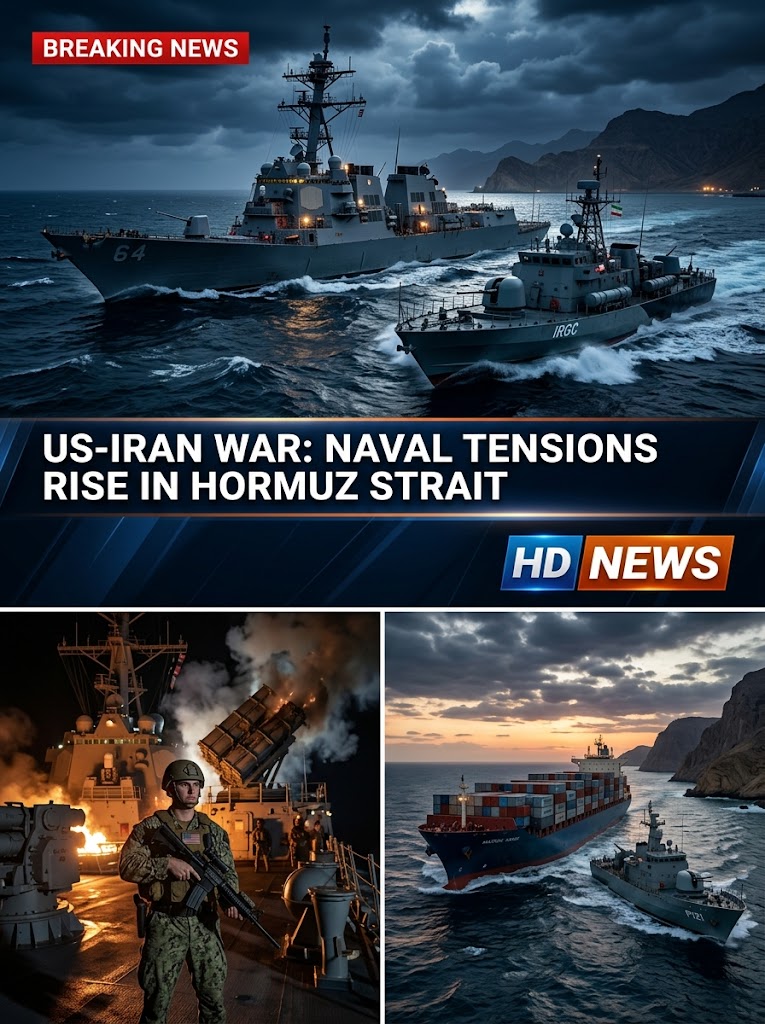
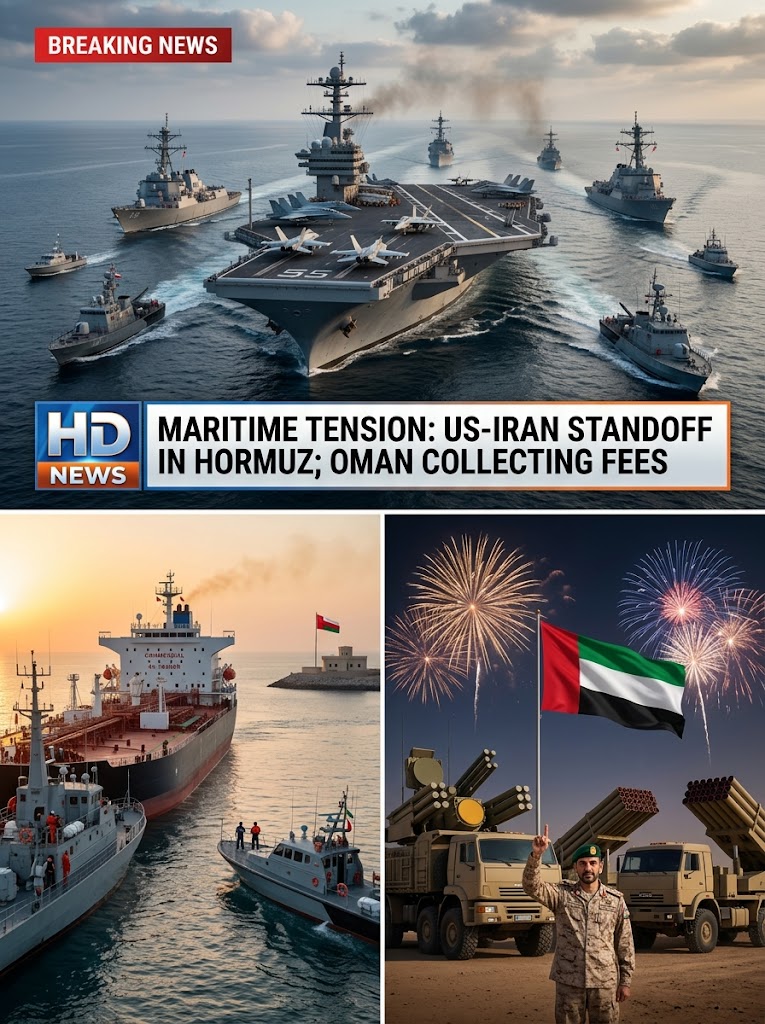
The crisis in the Strait of Hormuz has entered a new and highly controversial phase, as Iran proposes charging transit fees for vessels while global shipping remains largely frozen. At the same time, the United Arab Emirates (UAE) is signaling what it describes as a “strategic victory,” highlighting the increasingly complex and competing narratives emerging from the տարածաշրջան.
Recent reports indicate that Iran is seeking to impose fees of up to $2 million per vessel for safe passage through the strait—an unprecedented move that would fundamentally reshape one of the world’s most critical maritime corridors. The proposal is reportedly part of broader ceasefire discussions and could involve coordination with Oman, raising serious legal and economic questions about the future of international shipping norms.
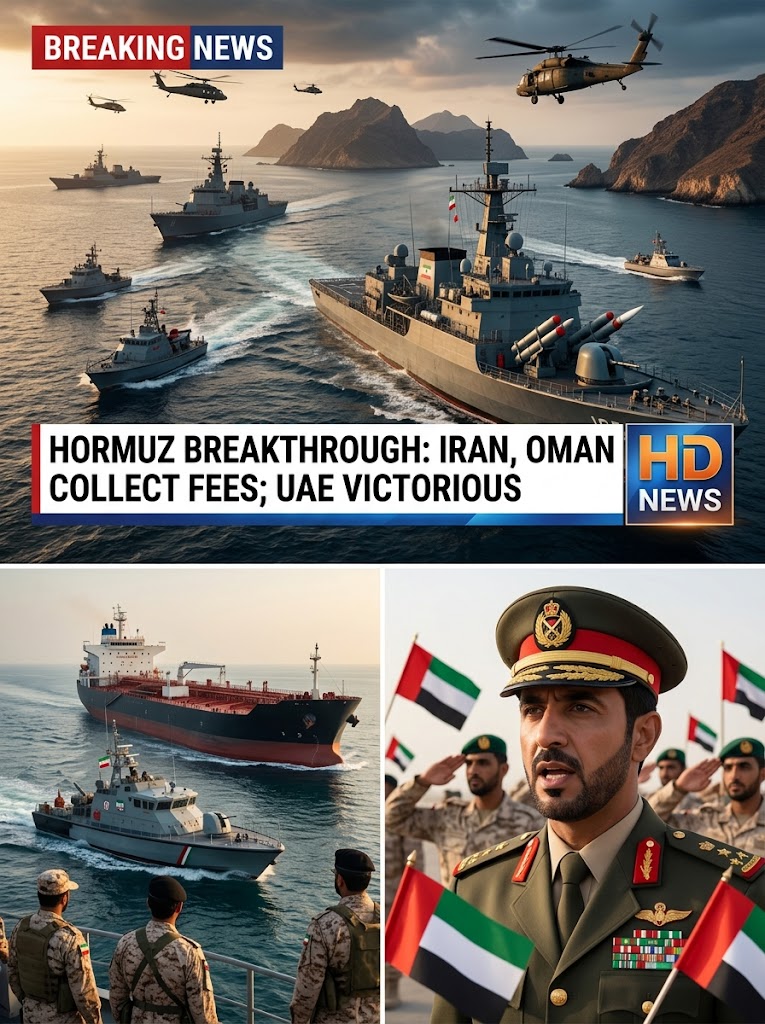
Despite the tentative ceasefire, the reality on the water remains tense. Hundreds of vessels are still stranded or waiting for clearance, with estimates suggesting more than 200 ships unable to transit the narrow passage. The bottleneck has effectively paralyzed a route that typically carries a significant portion of global oil supplies, sending shockwaves through energy markets and supply chains worldwide.
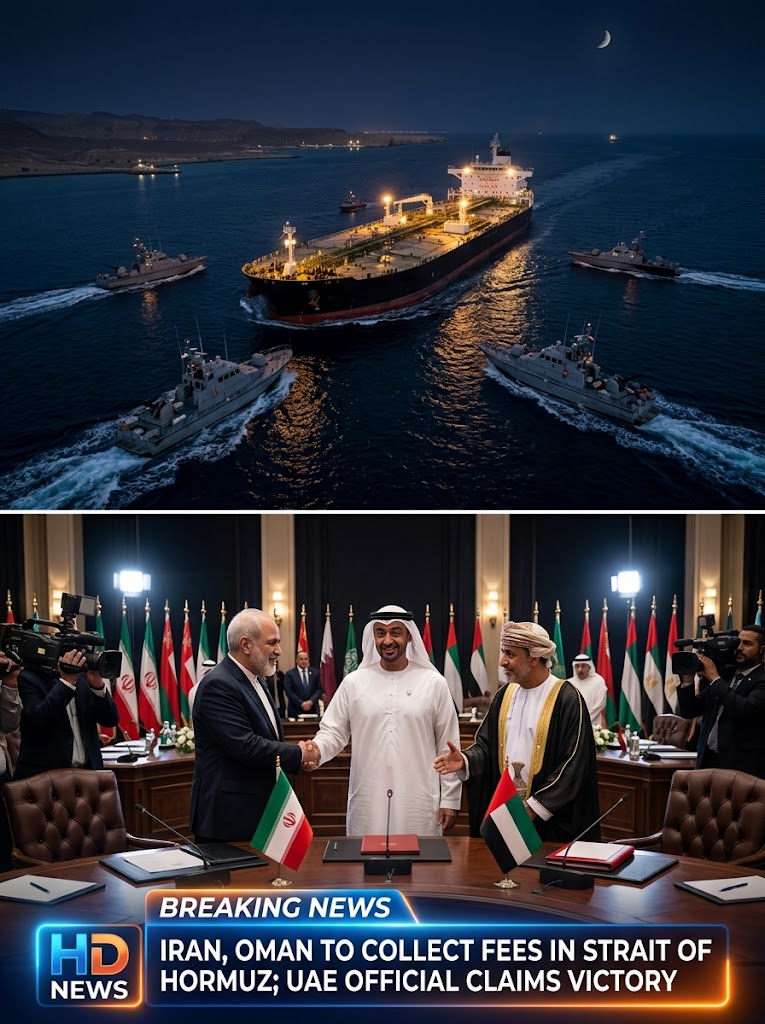
Iran’s position reflects a dramatic shift in power dynamics. Analysts note that Tehran has moved beyond merely threatening shipping to effectively controlling access to the strait, using it as a strategic lever in negotiations. This newfound leverage has given Iran a stronger bargaining position despite the heavy military and economic toll of the recent conflict.
Meanwhile, the UAE has taken a markedly different tone. Officials and energy leaders have emphasized resilience, pointing to the absence of recent attacks on Emirati territory and the country’s ability to withstand weeks of missile and drone strikes. Some in the UAE are framing the current moment as a strategic success—not because the crisis is over, but because regional and international pressure is mounting to reopen the strait and guarantee free navigation.
However, this sense of “victory” is far from universally accepted. The continued closure—or partial restriction—of Hormuz underscores the fragility of the ceasefire and the unresolved nature of the broader conflict. Iran’s demands, including economic concessions and recognition of its control over the waterway, remain major sticking points in ongoing negotiations.
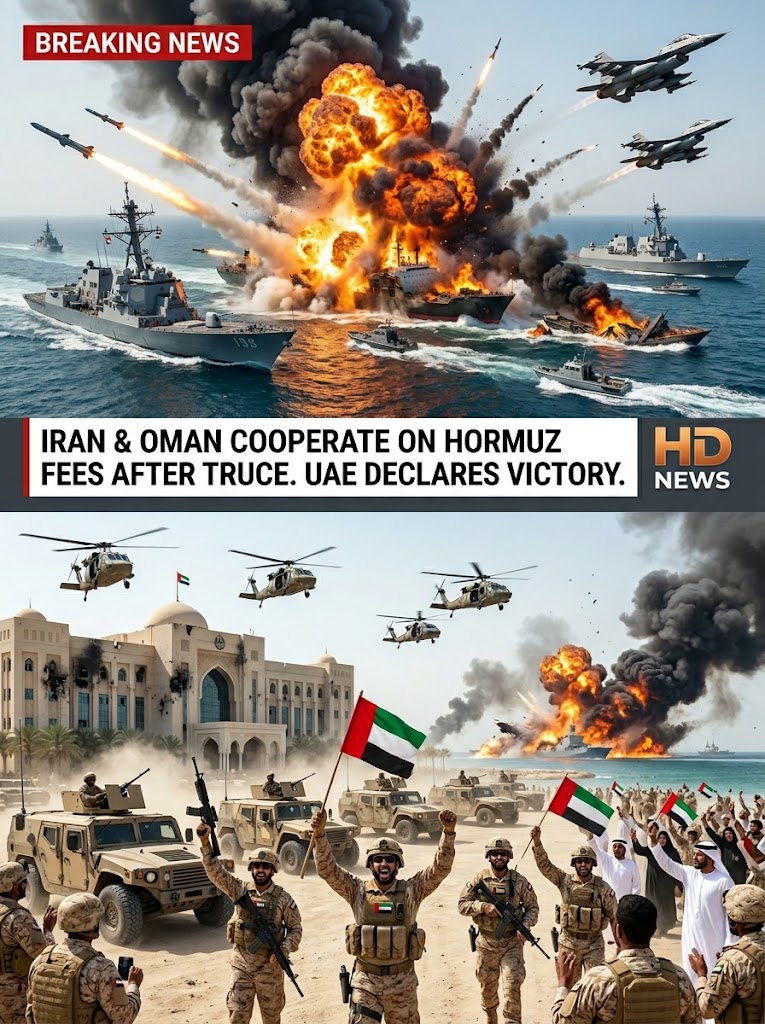
Markets are reacting with volatility. Oil prices have surged amid uncertainty, and insurers remain cautious, with war-risk premiums staying elevated. The longer the الأزمة persists, the greater the risk of long-term disruption to global trade and energy stability.
As diplomatic talks continue, the situation in Hormuz highlights a deeper الحقيقة: even without active الحرب, control over strategic chokepoints can reshape global power. Whether this moment leads to a lasting agreement or a renewed escalation may depend on how the world responds to Iran’s bold—and controversial—proposal.