
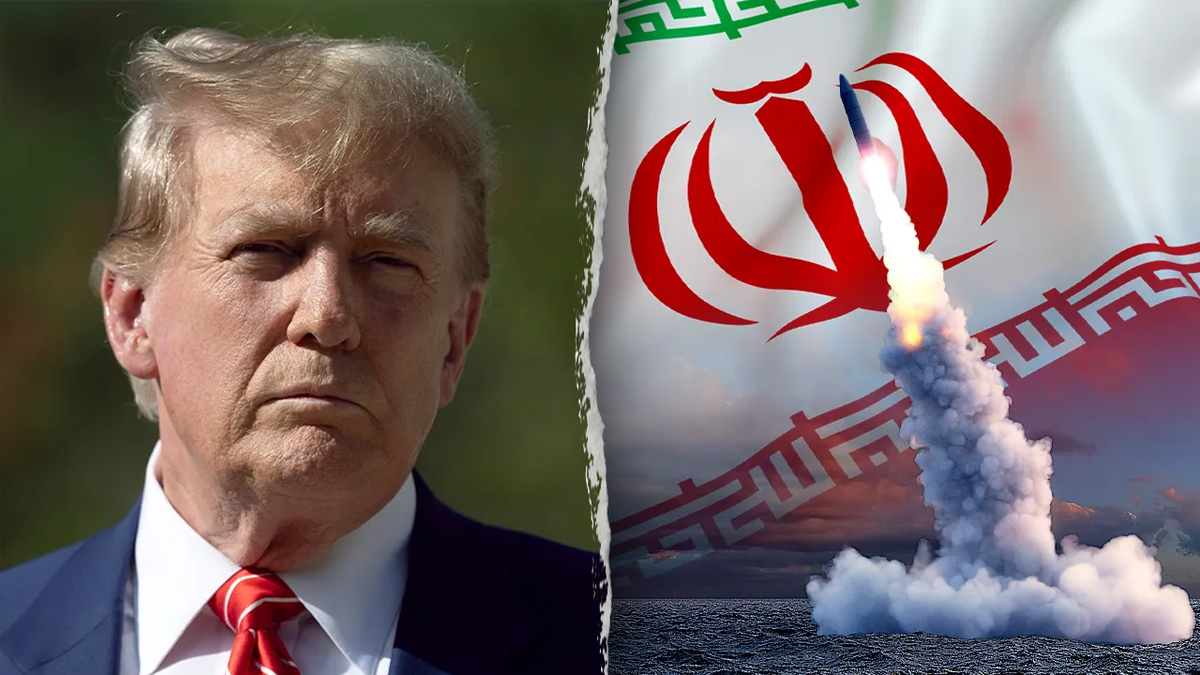
Breaking: Iran Fires Missiles at Israel, First After Trump’s Speech
The timing was immediate—and impossible to ignore.
Just hours after Donald Trump addressed the nation, declaring that the war with Iran was “nearing completion” and warning of even harsher strikes, Iran launched a fresh wave of missiles toward Israel—marking yet another escalation in an already volatile conflict.
Air raid sirens sounded across multiple Israeli cities as incoming projectiles were detected. Defense systems activated instantly, intercepting many of the threats—but not all attacks in this conflict have been fully stopped.
This was not an isolated event.
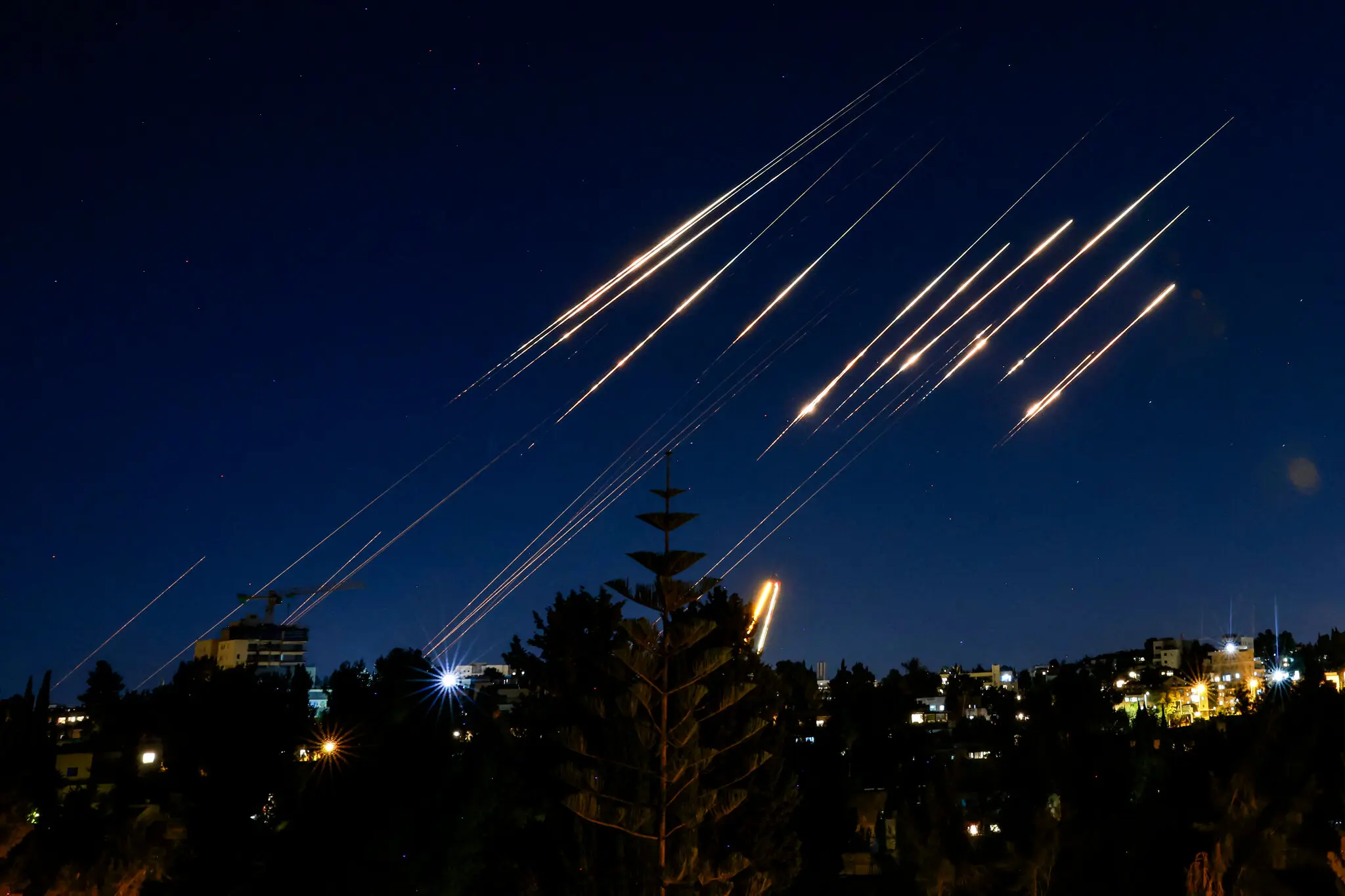
Throughout the war, Iran has repeatedly used missile barrages as a direct response to U.S. and Israeli actions, often timing them around key political or military developments.
And this latest strike followed a familiar pattern:
- Trump delivers a high-stakes speech
- Iran rejects diplomatic claims
- Missiles are launched shortly after
In fact, similar incidents have already occurred during the conflict, where Iran fired missiles at Israel within hours of rejecting U.S. statements about negotiations or ceasefire talks.
On the ground, the situation remains tense.
Recent reports indicate that while some missile waves have caused injuries and infrastructure damage, others were intercepted or landed in open areas. In at least one overnight barrage, no injuries were reported despite multiple launches, highlighting both the effectiveness—and limits—of Israel’s defense systems.
Still, the bigger picture is clear.
This is no longer just retaliation.
It is a cycle of escalation.
Israel continues to strike Iranian military targets deep inside the country. Iran responds with missiles and drones aimed at Israeli cities and regional bases. And each side is signaling that it is far from backing down.
Trump’s speech appears to have added fuel to that cycle.
By declaring the war close to victory and hinting at further strikes, the U.S. effectively raised the stakes—and Iran responded in kind, showing it still retains the ability to launch attacks despite weeks of sustained bombardment.
And that’s the key takeaway.
Even after heavy losses to its missile infrastructure, Iran is still capable of firing missiles at Israel, proving that its offensive capability has not been fully eliminated.
So what happens next?
More strikes are likely.
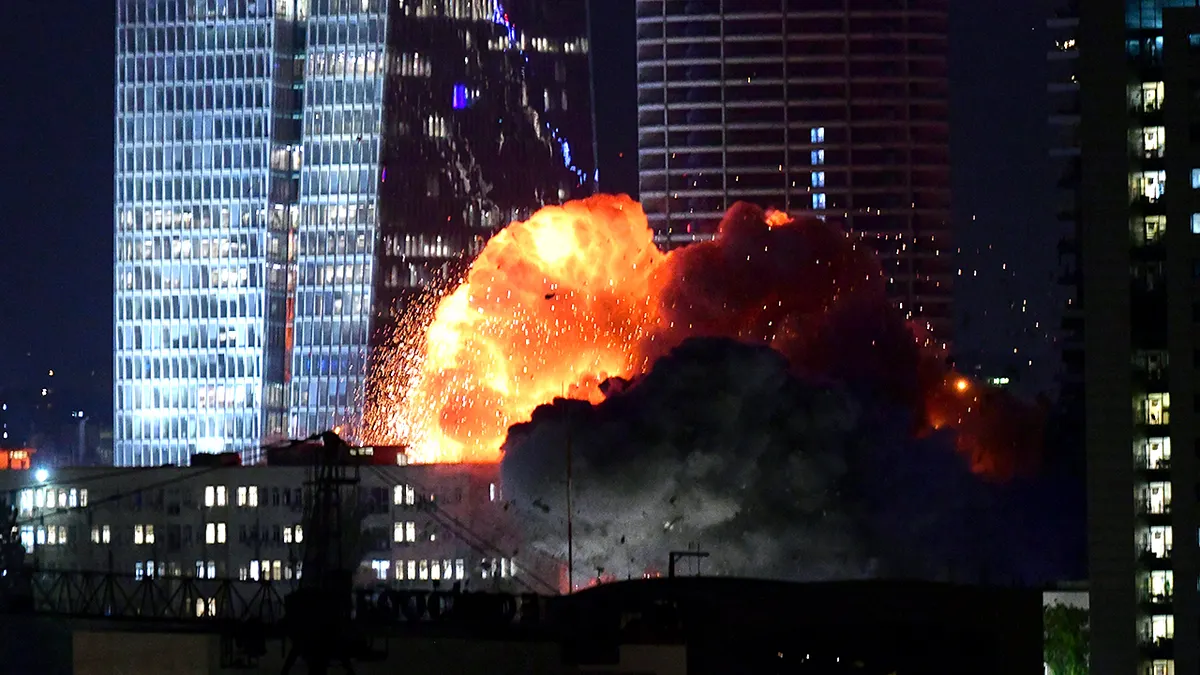
More retaliation is expected.
And the window for de-escalation is narrowing.
Because in this war, speeches don’t end conflict.
They often trigger the next move.