In the most dramatic escalation since the US‑Iran conflict erupted, multiple reports confirm that Iranian air defenses have struck several American aircraft during a high‑stakes rescue mission, pushing tensions to an all‑time high and raising serious questions about U.S. operational control in the region.
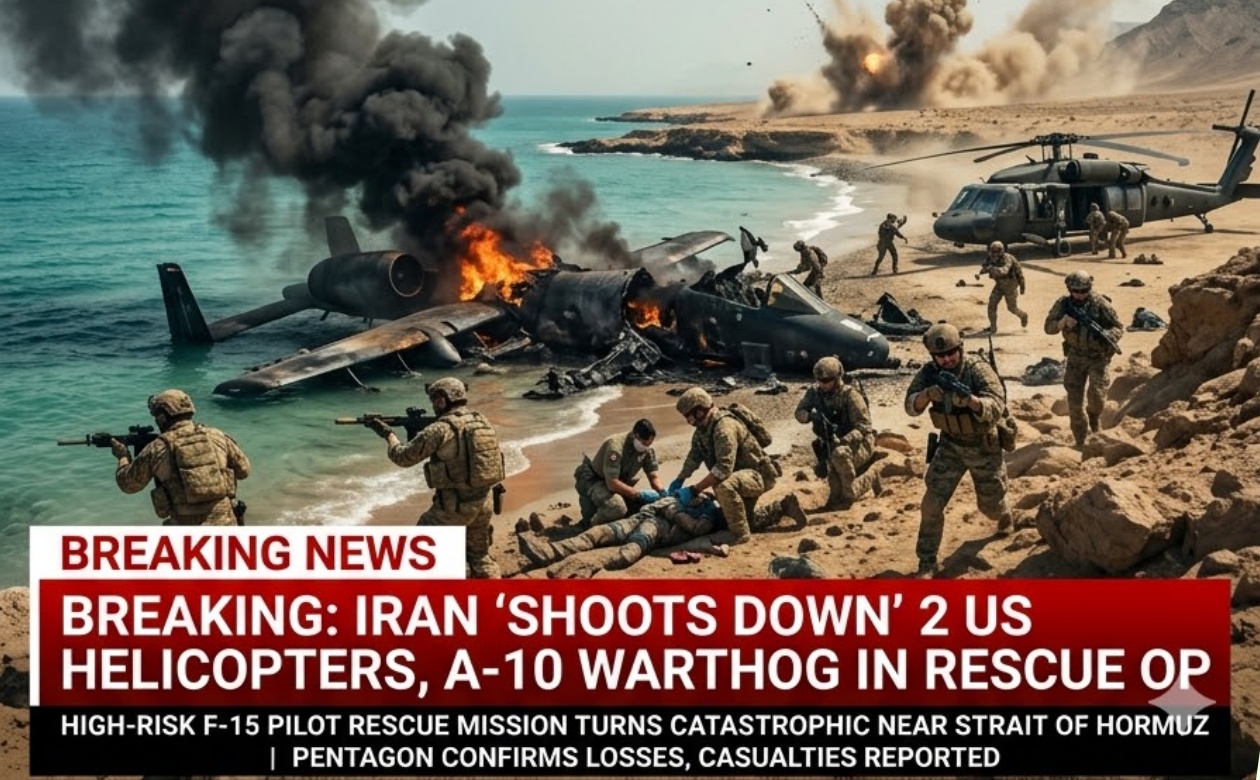
On Friday, Iranian air defense systems successfully shot down a U.S. Air Force F‑15E Strike Eagle fighter jet over southwestern Iran — the first confirmed instance of an American warplane being downed inside Iranian airspace since hostilities began. One of the aircraft’s two crew members has been rescued by U.S. forces, while a second remains missing and is the focus of an urgent search and rescue effort.
What followed was a chaotic and dangerous search operation that has since ignited headlines around the world. As U.S. military assets scrambled to locate and extract the downed aviators, Iranian fire struck two U.S. rescue helicopters, forcing them to disengage and return to base — thankfully without fatal casualties, though some crew members were reported wounded.
Adding to the shock, an A‑10 Thunderbolt II attack aircraft, dispatched as part of the extraction effort, was also hit by Iranian fire near the Strait of Hormuz. Though severely damaged, its pilot managed to eject and was safely recovered, according to U.S. officials.
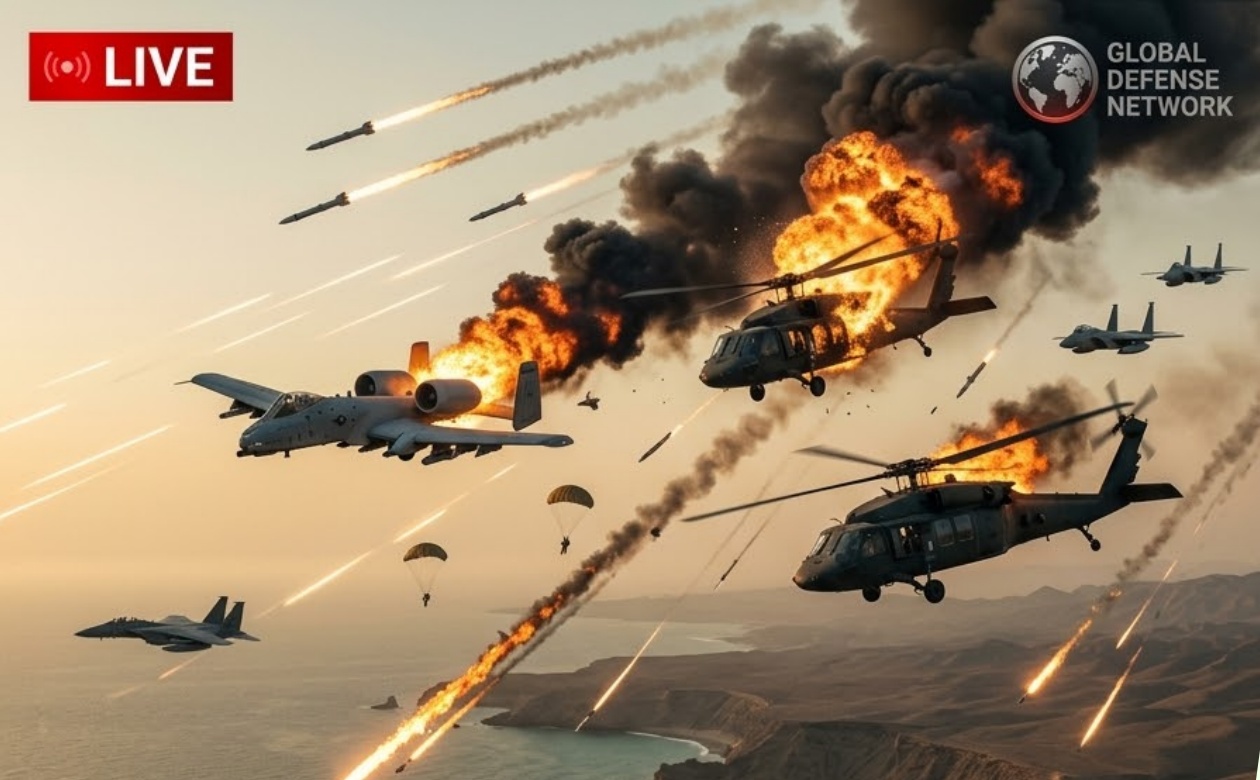
The developments represent a significant escalation in the conflict’s dynamic: what began as strategic air strikes and missile exchanges has now evolved into direct combat engagements over hostile territory, with multiple U.S. aircraft lost or damaged in a single day.
Iranian state media and military sources have widely broadcast claims of responsibility, framing these strikes as victories against foreign aggression. State outlets have even circulated images and footage purporting to show wreckage and debris of U.S. aircraft, as well as calls for civilians to assist in locating the missing crew member. However, some Western analysts caution that such media activity may be part of an expanding psychological campaign as much as a reflection of military success.
U.S. officials have confirmed the downed F‑15 and the damage to rescue helicopters but have been notably cautious in their public statements, emphasizing that the rescue operations are ongoing and that the safety of American personnel remains the priority. Nonetheless, this chain of events marks a strategic and symbolic blow to U.S. claims of air superiority in the ongoing conflict.
The situation has ignited intense debate in Washington, where lawmakers and military analysts alike are questioning how Iranian defenses — widely judged to be degraded by weeks of U.S. and allied operations — were able to inflict such losses. This moment also amplifies political pressure on the White House’s strategy, as domestic and international audiences grapple with the implications of a direct engagement resulting in multiple American losses.
In Tehran, the leadership has seized on these events with defiant rhetoric, portraying Iran’s military response as evidence of resilience and deterrence, and vowing further resistance against U.S. operations. As the search for the missing airman continues and diplomatic channels strain at the seams, one thing is clear: the scope and intensity of this conflict have entered a perilous new chapter, with far‑reaching consequences for regional stability and global security.