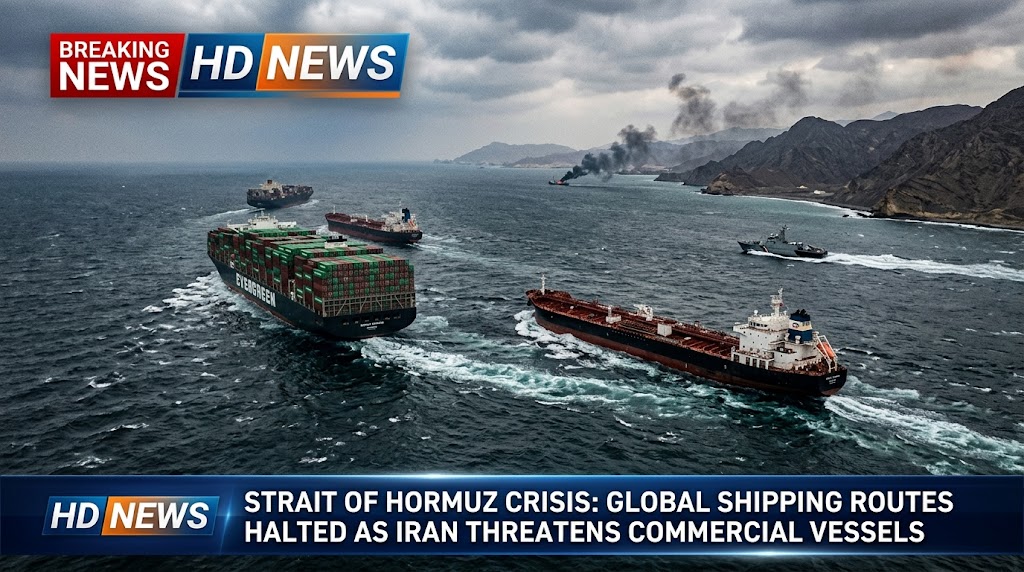
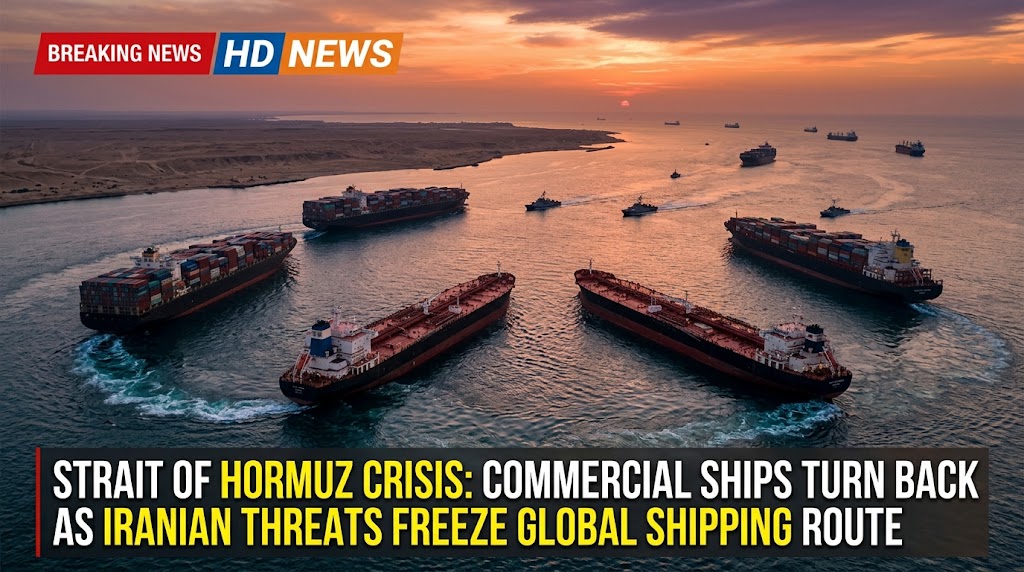
Tensions in the Strait of Hormuz have escalated sharply, triggering widespread disruption to one of the world’s most critical maritime corridors. Reports emerging over the past 24 hours indicate that multiple commercial vessels have reversed course or delayed transit after credible security threats raised fears of imminent conflict in the region.
The Strait of Hormuz, a narrow but strategically vital waterway, handles roughly one-fifth of global oil shipments. Any instability in this chokepoint has immediate ripple effects across international markets, energy prices, and global supply chains. Shipping companies, already wary of rising geopolitical risks, are now taking precautionary measures to safeguard crews and cargo.
Industry sources confirm that several major tanker operators issued urgent advisories to halt or reroute vessels. Some ships that had already entered the Gulf reportedly turned back under escort, while others are waiting in safer waters until the situation becomes clearer. Maritime tracking data shows a noticeable decline in traffic through the strait, an unusual development for such a heavily trafficked route.
The crisis appears to stem from escalating threats exchanged between regional actors, though details remain fluid and at times conflicting. Military presence in the area has reportedly increased, with naval forces on heightened alert. Analysts warn that even a minor confrontation could spiral quickly, given the density of military and commercial activity in the region.
Markets have reacted swiftly. Oil prices surged amid fears of supply disruption, while insurers are reassessing risk premiums for vessels operating near the strait. For many shipping firms, the decision to pause operations is not just about immediate danger, but also financial exposure in an increasingly volatile environment.
Governments worldwide are closely monitoring the situation. Several have issued advisories urging their vessels to exercise extreme caution or avoid the area altogether. Diplomatic channels are reportedly active, with calls for de-escalation growing louder as stakeholders recognize the global consequences of prolonged instability.
For now, uncertainty dominates. The temporary freezing of traffic through the Strait of Hormuz underscores how quickly geopolitical tensions can disrupt global trade. As ships remain on standby and crews await further instructions, the world watches closely, aware that the next developments could have far-reaching implications for energy security and international stability.
Until clarity emerges, the Strait of Hormuz stands as a stark reminder of the fragile balance underpinning global commerce—and how easily it can be shaken.