
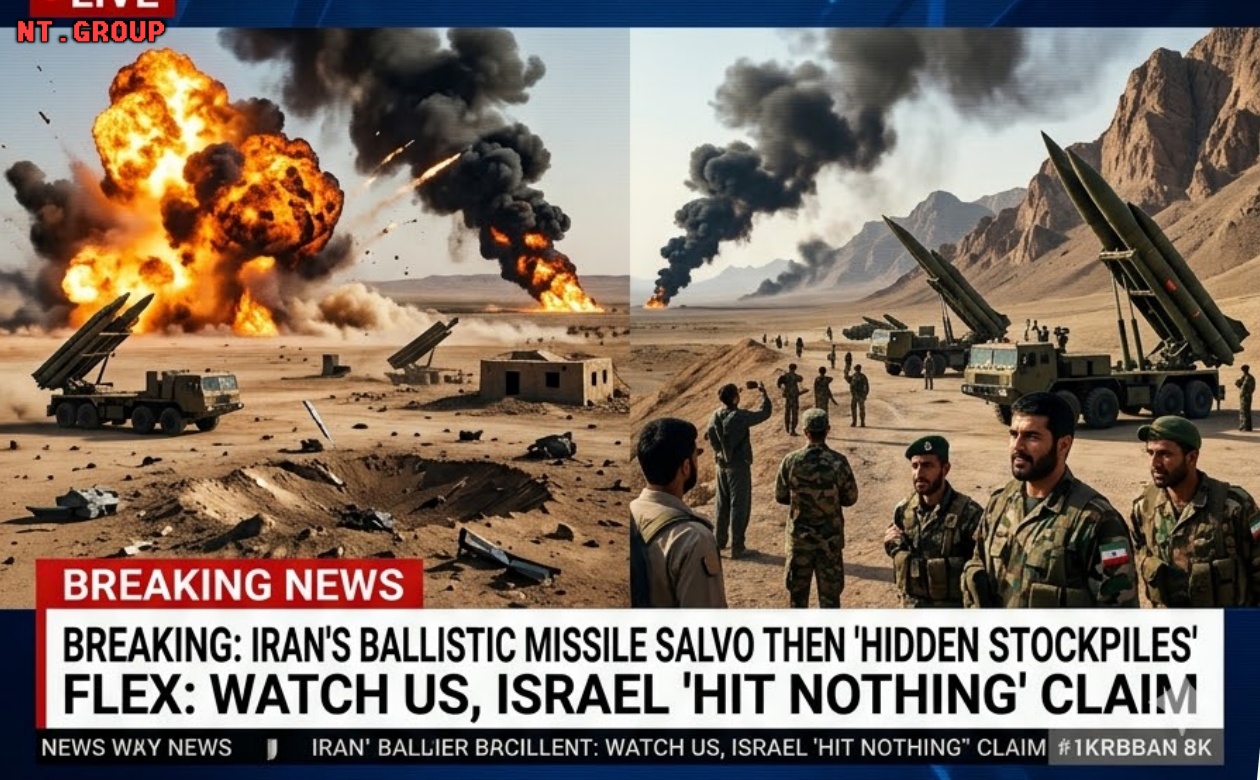
In the escalating conflict between Tehran and the U.S.–Israel alliance, dramatic claims and counterclaims have become part of the daily fog of war. Iran has repeatedly launched batches of ballistic missiles and drones at Israeli and allied targets, yet U.S. and Israeli officials acknowledge that much of Iran’s missile and weapons arsenal remains intact—hidden deep underground or mobile rather than destroyed outright.
Over the past month of intense operations, the U.S.‑led coalition has conducted relentless air and precision strikes against Iranian missile launch sites, weapons factories, and strategic infrastructure. Satellite analysis indicates major damage to several key missile production facilities and dozens of launch bases, and Iranian ballistic missile attacks have noticeably declined from their peak earlier in the conflict.
Yet despite those successes, U.S. intelligence officials publicly concede that only about one‑third of Iran’s missile arsenal has been definitively destroyed. Much of the remaining capability—estimated to be roughly another third—is believed to be buried or shelled in hardened underground bunkers and stockpiles that are difficult to detect and harder to hit.
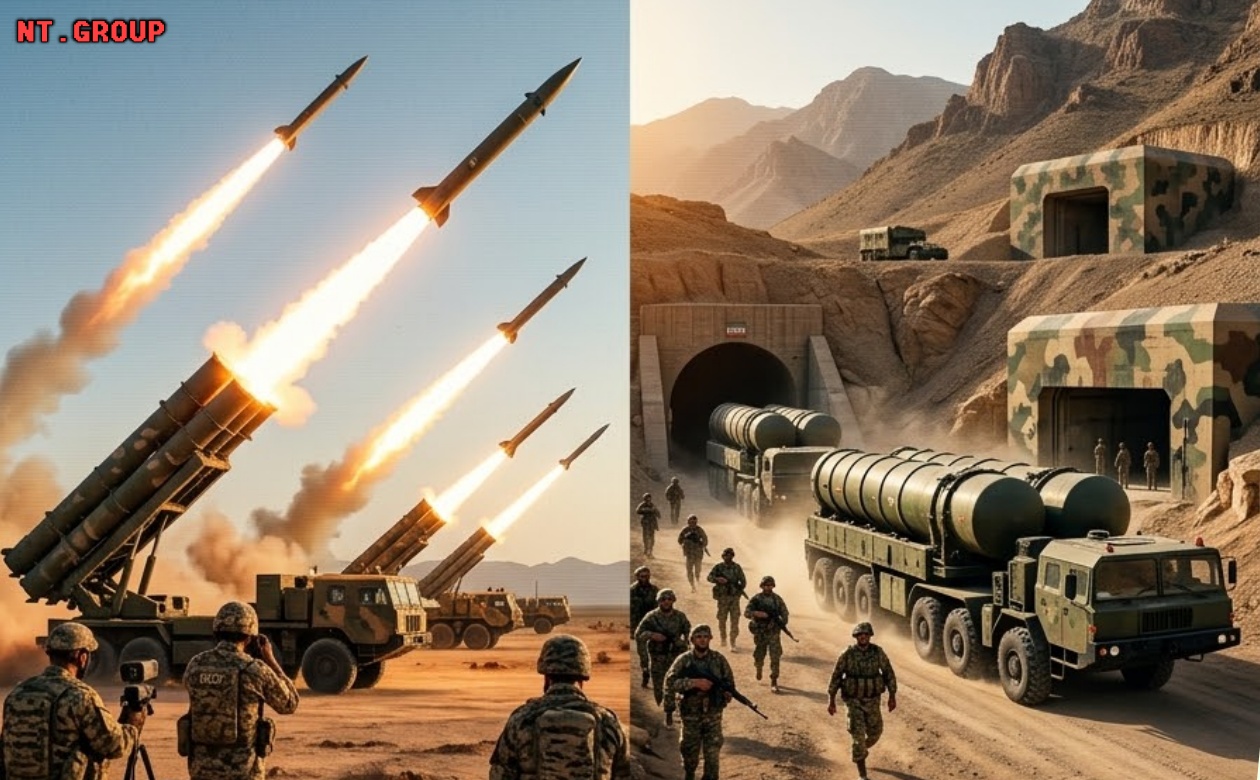
This has given rise to claims—both from analysts and from Iranian state media—that U.S. and Israeli forces have “hit nothing” more than surface infrastructure, while Tehran continues to possess effective launch systems. Tehran’s defenders point to the ongoing launch of ballistic missiles and drones as proof that Iran’s deeper stockpiles are still operational. Recent waves of Iranian missile launches have included over 100 ballistic rockets, UAVs, and rockets fired at U.S. and Israeli military positions across the region.
Indeed, even as the number of Iranian ballistic launches has decreased compared with the early days of the war, they have not stopped, and Iran continues to leverage mobile launchers and dispersed missile inventories to evade strike patterns. Experts emphasize that deeply buried weapons caches, tunnel networks, and dispersed sites complicate efforts to fully “degrade” Iran’s strike capacity.
Meanwhile, U.S. and Israeli leaders have highlighted that strikes have significantly disrupted Iran’s offensive capabilities and limited the scope of Iranian missile operations—especially long‑range systems—while still acknowledging that the war has not yet broken Tehran’s latent arsenal or its ability to retaliate.
In this high‑stakes confrontation, both sides are shaping narratives: Iran showcasing resilience and hidden strength, and the U.S.–Israel alliance arguing that deep infrastructure targets are being systematically degraded even if full elimination remains elusive. The result is a conflict where missiles may fall but certainty remains out of reach—and much of what lies beneath Iran’s desert remains unseen and dangerous.