
Recent satellite images, along with defense analyses, suggest that Iran has managed to disrupt several U.S. and allied radar and satellite communication systems located at military installations across the Gulf. This development marks a significant shift in the dynamics of the ongoing conflict, as it directly affects the ability to detect threats and coordinate responses in real time.
Reports indicate that at least a dozen radar and satellite communication (SATCOM) facilities have been impacted since hostilities began. These systems play a crucial role in monitoring airspace, tracking missile activity, and maintaining secure lines of communication between military units. Their disruption could weaken the overall effectiveness of surveillance and response mechanisms across the region.
Visual evidence from commercial satellite providers reinforces these claims. Images reveal visible damage to radar domes and satellite dishes at key strategic locations. For instance, installations near Bahrain—home to the U.S. Navy’s Fifth Fleet—appear to have sustained notable damage. Similar impacts have been observed at communication hubs responsible for maintaining encrypted military links. These facilities are vital for coordinating operations and ensuring timely responses to potential threats, particularly in high-risk environments.
Defense experts warn that the loss or impairment of multiple radar and communication nodes can lead to temporary gaps in situational awareness. In practical terms, this means reduced early warning times and slower coordination among allied forces. While modern military systems are designed with redundancy—meaning backup systems can compensate to some extent—the removal of critical components can still strain overall effectiveness. Even short-lived disruptions can create opportunities for adversaries to exploit.
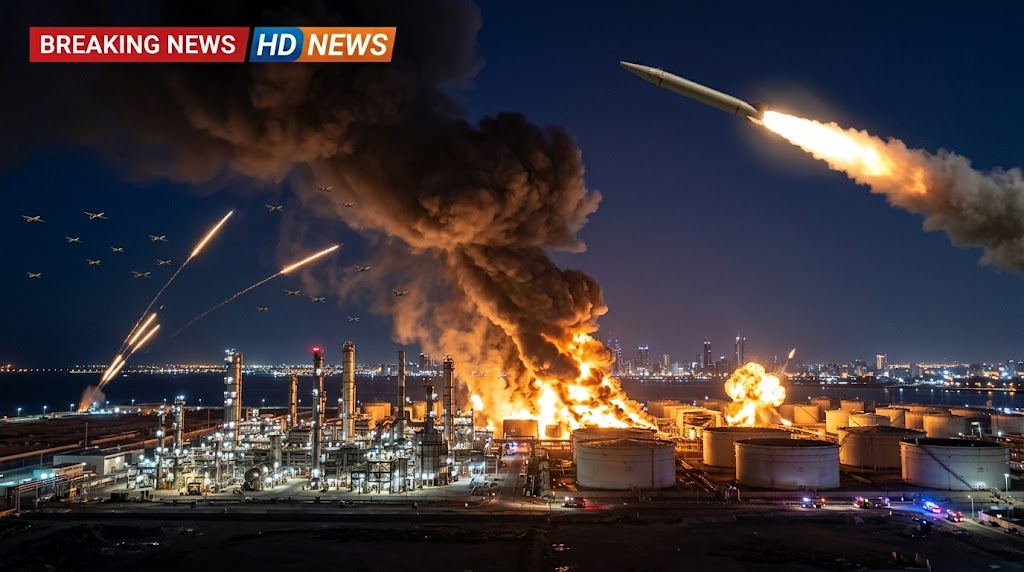
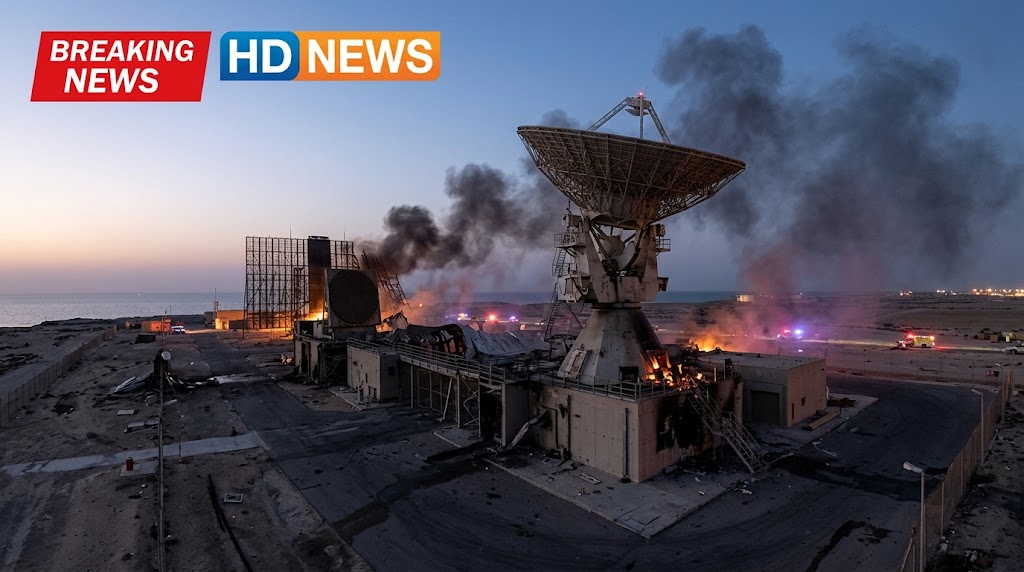
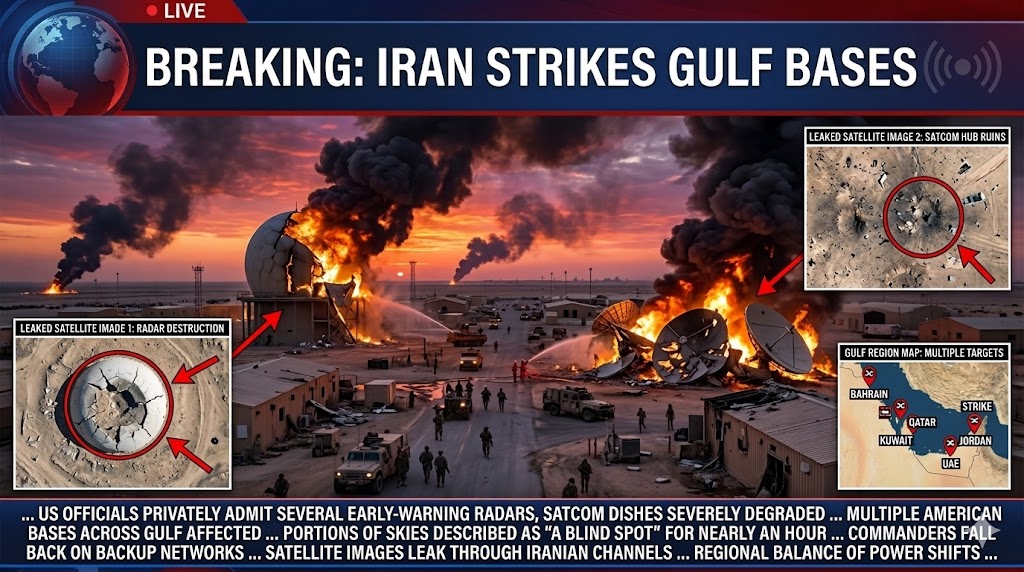
Further analysis of open-source intelligence and satellite imagery points to damage across several Gulf countries, including Bahrain, Kuwait, Qatar, and the United Arab Emirates. These areas host a network of radar and SATCOM systems that support long-range missile defense and regional security operations. Because of their strategic importance, such installations are considered high-value targets in any conflict scenario.
This pattern of attacks aligns with a broader strategy. Iran has increasingly relied on drones and missile strikes to target military infrastructure associated with the U.S. and its allies in the Middle East. By focusing on technological and communication systems rather than solely physical assets, these operations aim to undermine the advantages typically held by Western military forces. Disrupting networks that enable coordination and intelligence sharing can be just as impactful as damaging traditional battlefield assets.
The situation also highlights how modern warfare has evolved. Control over information—how quickly it is gathered, processed, and shared—has become as critical as control over territory. When radar systems fail or communication links are interrupted, decision-making becomes slower and less precise. In fast-moving conflict environments, even minor delays can have significant consequences.
Although official military assessments are still ongoing, the reported damage underscores a growing emphasis on targeting the technological backbone of defense systems. Rather than engaging only in direct confrontation, the focus appears to be shifting toward weakening the infrastructure that supports military operations.
In this context, the recent developments may represent more than isolated incidents. They could signal a broader transition in strategy, where disrupting visibility and communication becomes a central objective. As both sides continue to adapt, the contest over surveillance, data, and connectivity is likely to play an increasingly decisive role in shaping the outcome of the conflict.