
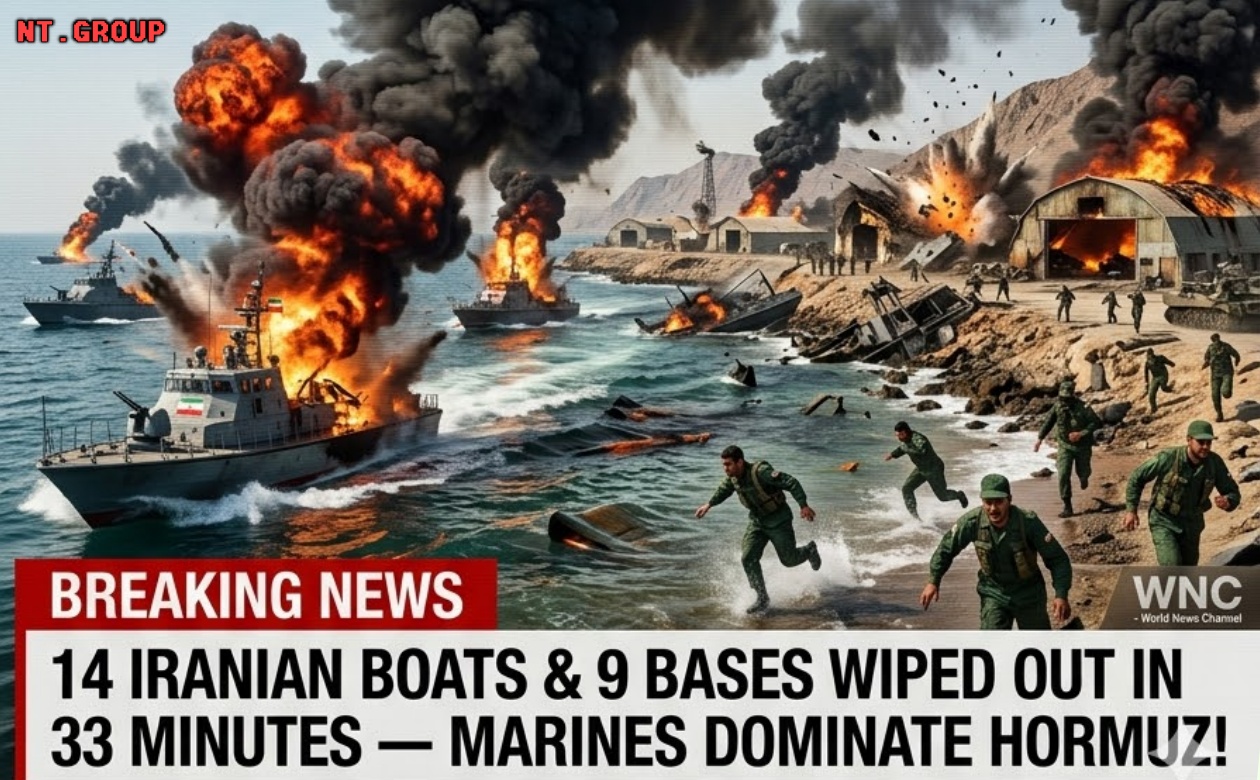
Low over the water, barely above the waves, the silhouette appears.
Fast. Armed. Watching.
The AH-1Z Viper—one of the U.S. Marine Corps’ most advanced attack helicopters—has become a key presence in the increasingly tense skies over the Strait of Hormuz. Designed for precision strikes, armed escort, and close combat support, it carries a lethal mix of Hellfire missiles, rockets, and a 20mm cannon—built to eliminate threats quickly and decisively.
And in a region where threats move fast, that matters.
Because Iran’s strategy in Hormuz isn’t built on large fleets.
It’s built on disruption.
Fast boats.
Drone swarms.
Hidden coastal missiles.
Naval mines placed in narrow shipping lanes.
This kind of “asymmetric warfare” is designed to overwhelm traditional naval responses and turn the strait into a choke point for global oil flow.
So where does the AH-1Z come in?
Flexibility.
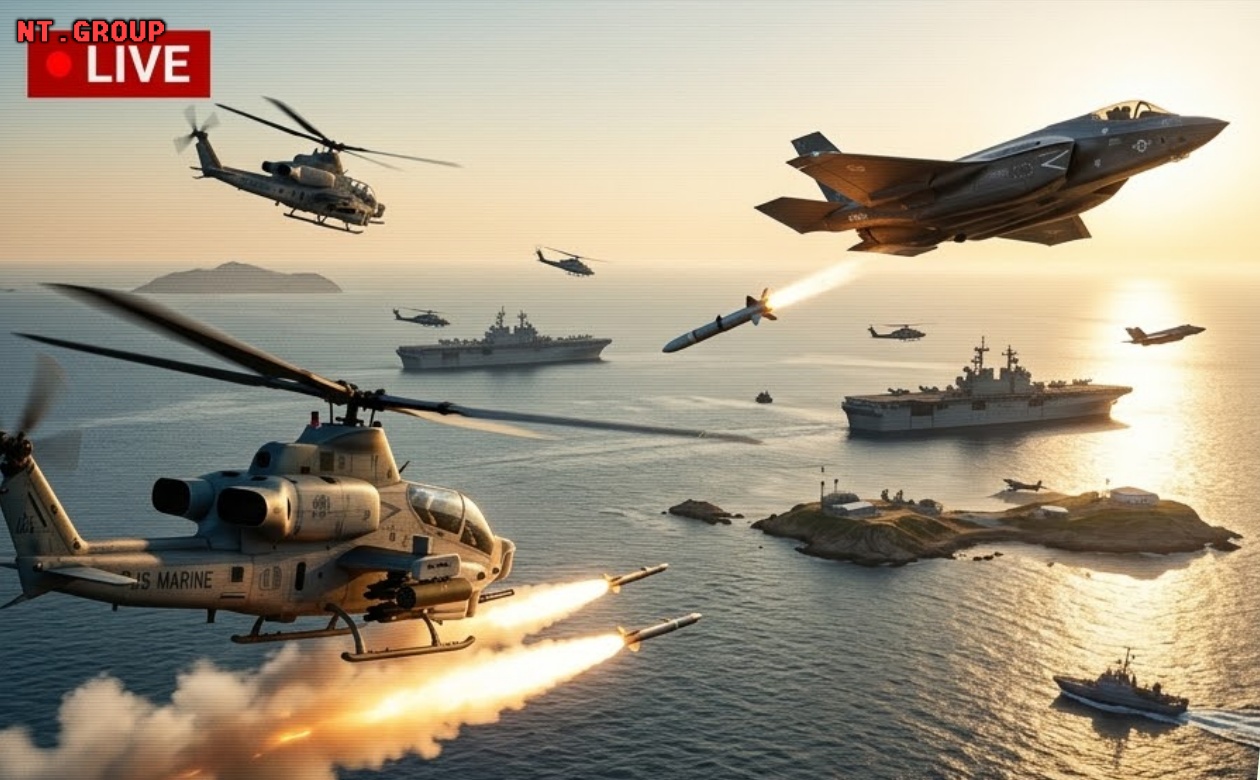
Unlike large warships, the Viper can:
- Fly low and track small, fast-moving targets
- Launch precision strikes against boats or coastal launchers
- Escort ships through high-risk zones
- Respond within minutes instead of hours
It is also specifically designed for expeditionary operations from amphibious ships, making it ideal for exactly this kind of maritime conflict.
In real-world deployments, U.S. helicopters—including Vipers—have already been used to protect naval vessels transiting the Strait of Hormuz, countering drone threats and monitoring Iranian activity.
At the same time, the U.S. has reinforced the region with other low-altitude strike platforms like A-10 aircraft and Apache helicopters to target Iranian coastal threats and secure shipping lanes.
So does that mean the Viper has “collapsed Iran’s blockade”?
No.
There is no verified evidence that AH-1Z helicopters alone—or any single system—have ended Iran’s ability to threaten the Strait of Hormuz.
The reality is more complex.
The situation in Hormuz remains:
- Highly contested
- Ongoing
- Dangerous
Iran still retains:
- Missile systems along the coast
- Naval mines
- Drone capabilities
And that means the blockade threat is degraded—but not eliminated.
What the AH-1Z represents is not dominance—but adaptation.
A tool built for this kind of fight:
- Fast-moving
- Close-range
- Constantly evolving
Because modern warfare in Hormuz isn’t decided by one weapon.
It’s decided by how well different systems—ships, aircraft, drones, and intelligence—work together.
So while the Viper may dominate moments in the sky…
The battle for the Strait of Hormuz is far from over.