
It sounds like total destruction.
An $80 billion “fortress” wiped out.
Iran collapsing.
The Strait of Hormuz suddenly under U.S. control.
But here’s the reality:
That headline is heavily exaggerated.
What is real, however, is still intense—and dangerous.
Over the past weeks, the United States has launched a major military campaign targeting Iran’s defenses around the Strait of Hormuz, one of the most critical chokepoints in the world.
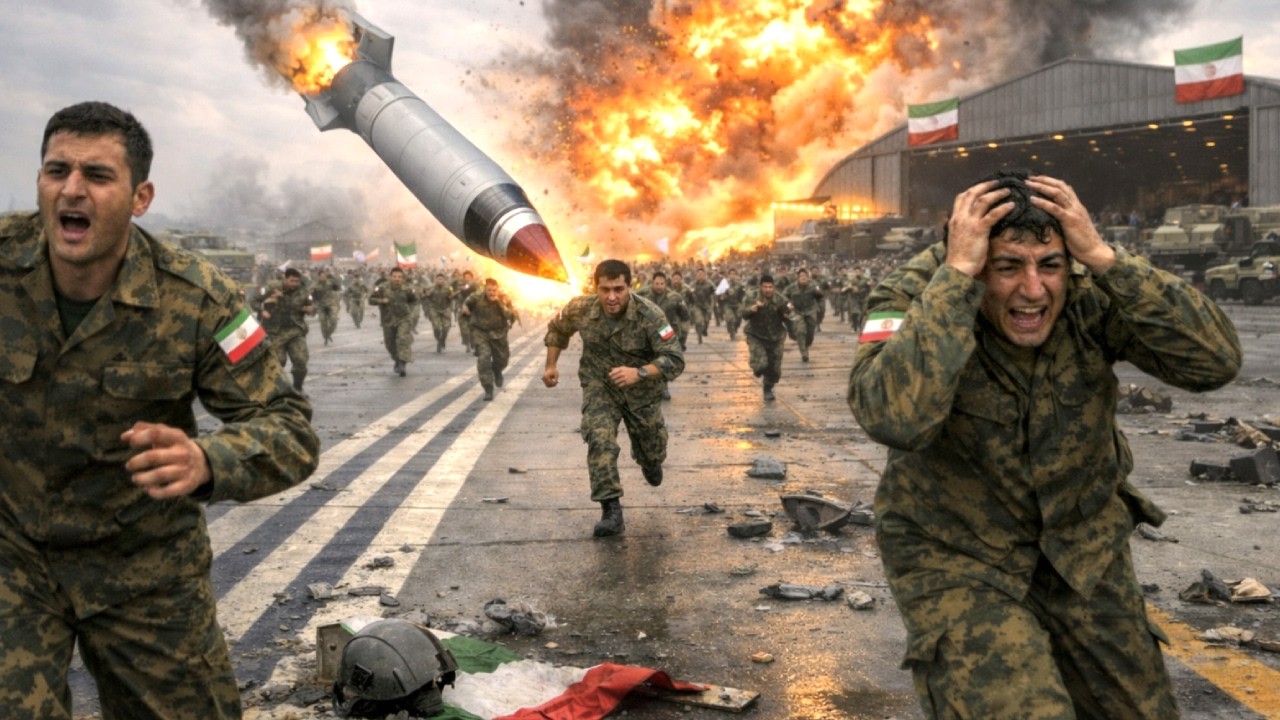
These strikes focused on:
- Underground missile bunkers
- Anti-ship missile systems
- Naval assets and mine-laying vessels
- Drone launch infrastructure
In some operations, U.S. forces used powerful bunker-buster bombs to penetrate deep underground facilities—destroying hardened مواقع built specifically to survive airstrikes.
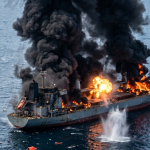
At the same time, naval forces sank multiple Iranian vessels involved in mining the strait, directly targeting Tehran’s ability to block shipping routes.
So yes—significant damage has been inflicted.
But did the U.S. “dismantle an $80B fortress in 90 minutes”?
No confirmed evidence supports that.
There is:
- No verified report of a single, 90-minute निर्णायक strike destroying all Iranian defenses
- No official figure describing a single “$80 billion fortress” being eliminated
- No confirmation that Iran’s entire Hormuz defense network has collapsed
In fact, the situation on the ground tells a very different story.
Iran still:
- Maintains influence over the Strait of Hormuz
- Continues to threaten ships and launch attacks
- Retains missile and drone capabilities across the region
And most importantly—
The strait is still highly contested.
Shipping has been disrupted, oil flows reduced, and global markets shaken.
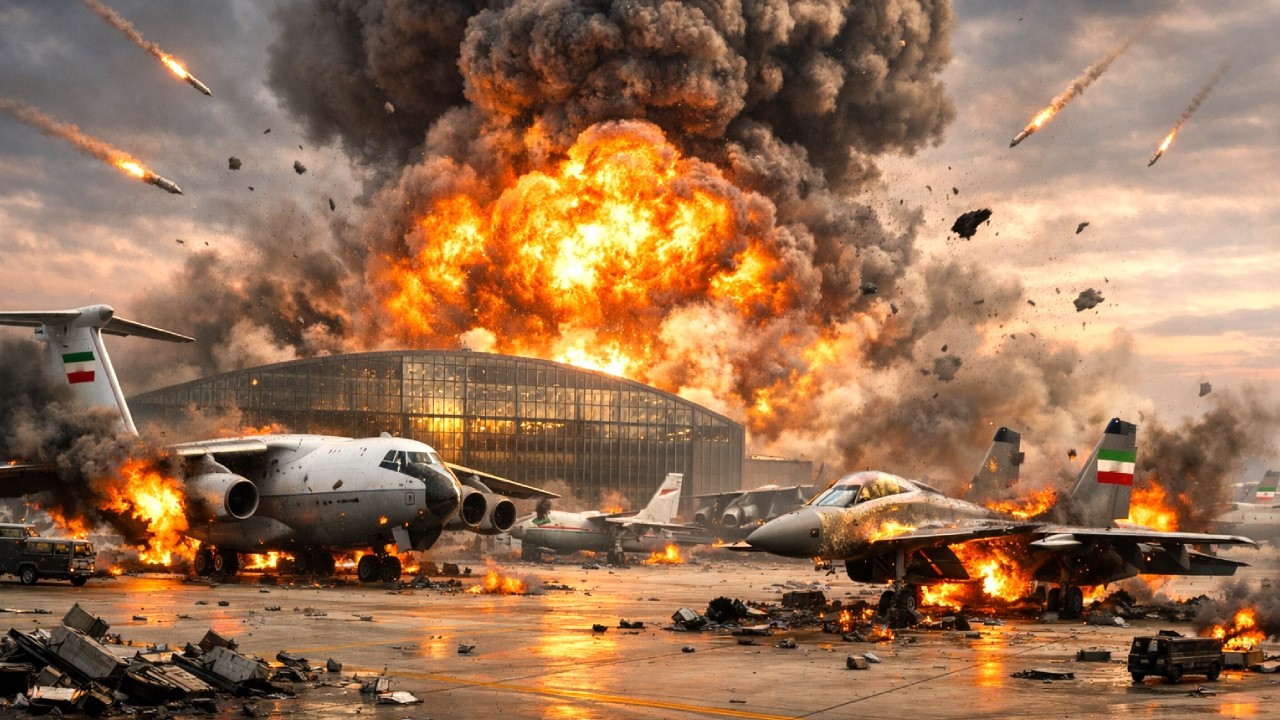
That’s not what a “collapse” looks like.
Even U.S. officials and analysts caution that reopening and securing the strait is a complex, ongoing operation, not a quick निर्णायक victory.
So what really happened?
The U.S. didn’t destroy everything in one strike.
Instead, it launched a multi-phase campaign:
- Degrade Iran’s coastal defenses
- Reduce its ability to target ships
- Gradually reopen the waterway
And that process is still unfolding.
Because Iran’s “fortress” isn’t a single structure.
It’s a network—spread across:
- Mountains
- Islands
- Underground tunnels
- Mobile missile units
You don’t eliminate that in 90 minutes.
You chip away at it.
Still, one thing is clear:
The battle for the Strait of Hormuz is one of the most critical fights in the entire conflict.
Because whoever controls that narrow stretch of water…
Doesn’t just control a battlefield.
They control the flow of the global economy.
And right now—
That fight is far from over.