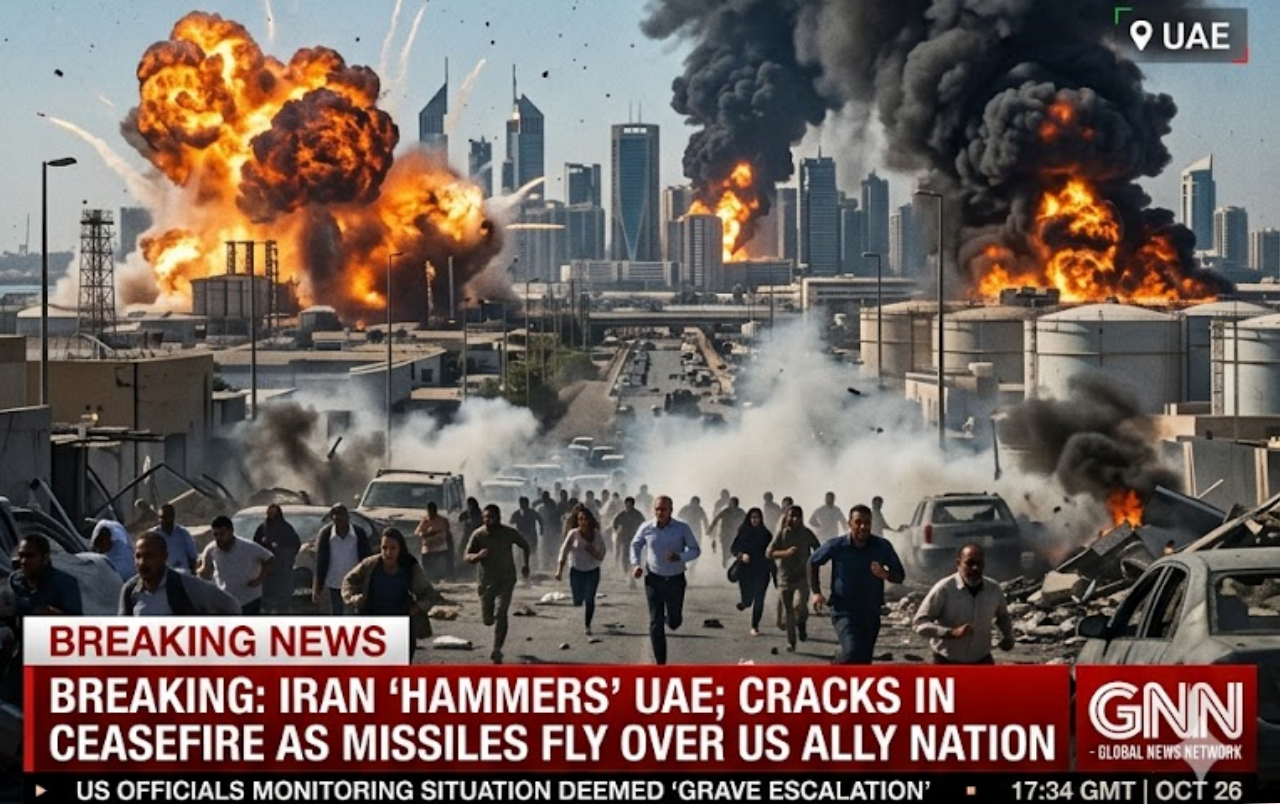
A fragile ceasefire between the United States and Iran is already showing signs of collapse, as missile and drone attacks targeting the United Arab Emirates (UAE) have shaken confidence in the agreement. What was meant to be a temporary pause in hostilities has instead exposed deep divisions, mistrust, and the difficulty of controlling a rapidly evolving regional conflict.
Within hours of the ceasefire announcement, the UAE reported that its air defense systems were actively intercepting incoming threats. Residents across the country heard loud explosions, later confirmed to be the result of defensive systems engaging ballistic missiles, cruise missiles, and unmanned aerial vehicles. These developments suggested that, despite diplomatic efforts, hostilities had not fully ceased.
The scale of the attacks has been staggering. Since the conflict intensified, UAE officials report intercepting hundreds of ballistic missiles and thousands of drones. Across the wider Gulf region, Iran has launched thousands of projectiles at multiple countries, targeting energy infrastructure, airports, and strategic facilities. The UAE, as a key US ally hosting military and logistical assets, has been one of the primary targets.
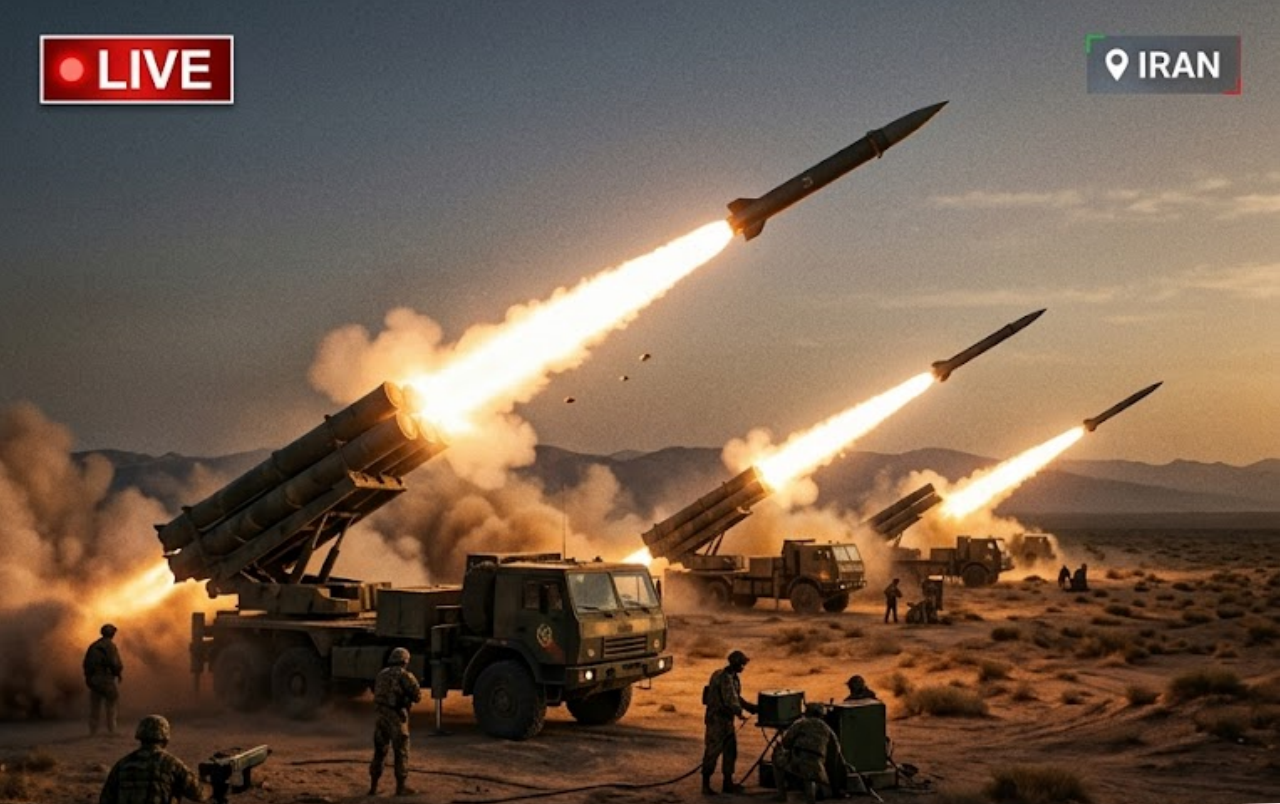
The timing of these strikes has raised serious questions about the ceasefire’s credibility. Reports from across the Gulf indicate that missile alerts and attacks were recorded in several countries almost immediately after the truce was declared. This has fueled speculation that either the ceasefire terms were unclear or that not all actors involved are willing—or able—to comply.
Adding to the confusion, Iran has denied responsibility for any attacks carried out after the ceasefire took effect. Iranian officials insist that their forces have not launched missiles or drones during the truce, suggesting that reports of continued strikes may be misinformation or actions by other parties. This conflicting narrative has made it increasingly difficult to determine the true state of the ceasefire.
Despite the intensity of the attacks, there have been brief signs of de-escalation. UAE authorities noted that, at certain points, no new missile launches were detected and airspace remained secure. However, these short periods of calm do little to offset the broader pattern of instability.
The ongoing strikes highlight a deeper issue: the ceasefire may be more symbolic than practical. With multiple actors, decentralized military commands, and overlapping conflicts involving regional powers, enforcing a complete halt to hostilities is extremely challenging. Even a single unauthorized strike risks triggering retaliation and unraveling diplomatic progress.
Ultimately, the situation in the UAE illustrates how volatile the region remains. Missiles flying over a key US ally underscore the high stakes and the ever-present risk of escalation. While the ceasefire was intended as a step toward peace, the reality on the ground suggests that the path forward is uncertain, and the threat of renewed conflict continues to loom large.