For years, Iran built its defenses around one idea:
Protect the missiles.
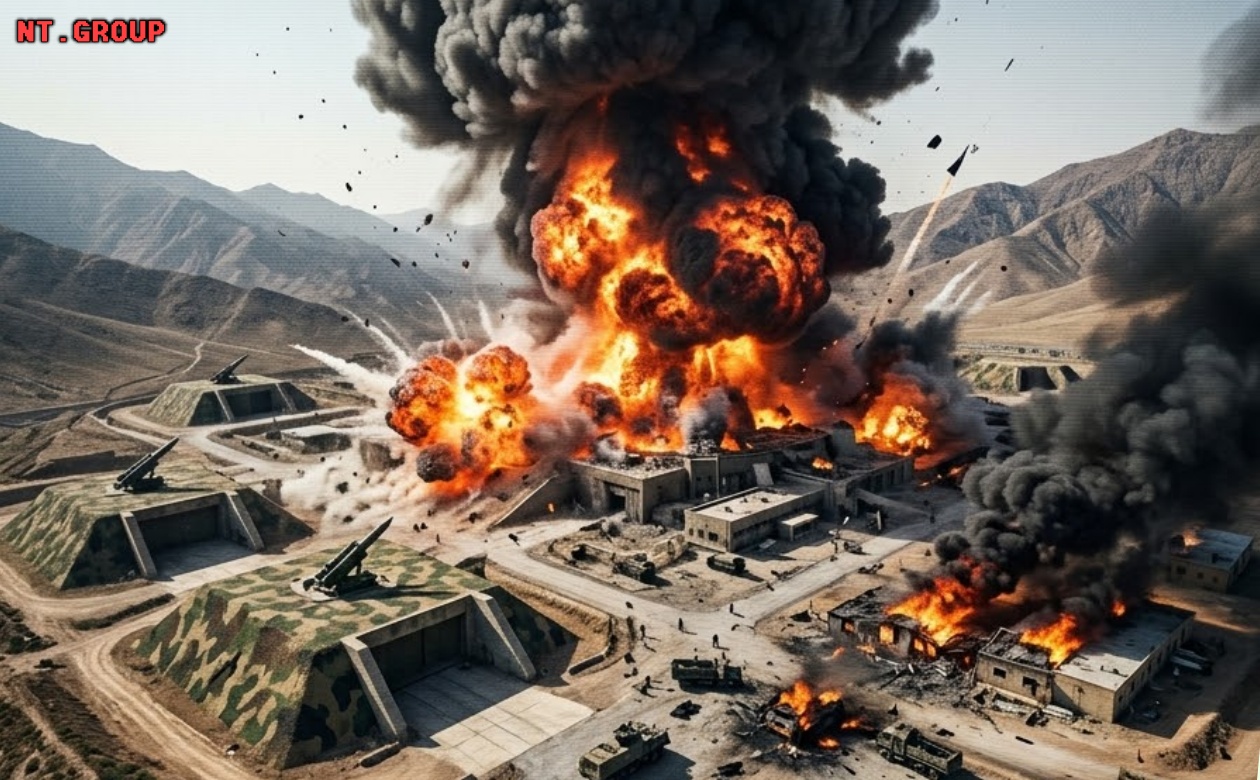
Deep underground bunkers.
Hardened silos.
Hidden “missile cities” buried beneath mountains.
On paper, it looked nearly unstoppable.
And to some extent—it worked.
Even after weeks of heavy U.S. and Israeli strikes, Iran still retains some missile-launch capability, proving its system wasn’t completely destroyed.
But here’s where everything changed.
The targets shifted.
Instead of focusing only on missiles…
The strikes went after something far more critical:
The brain.
Command centers.
Communication networks.
Control systems that tie everything together.
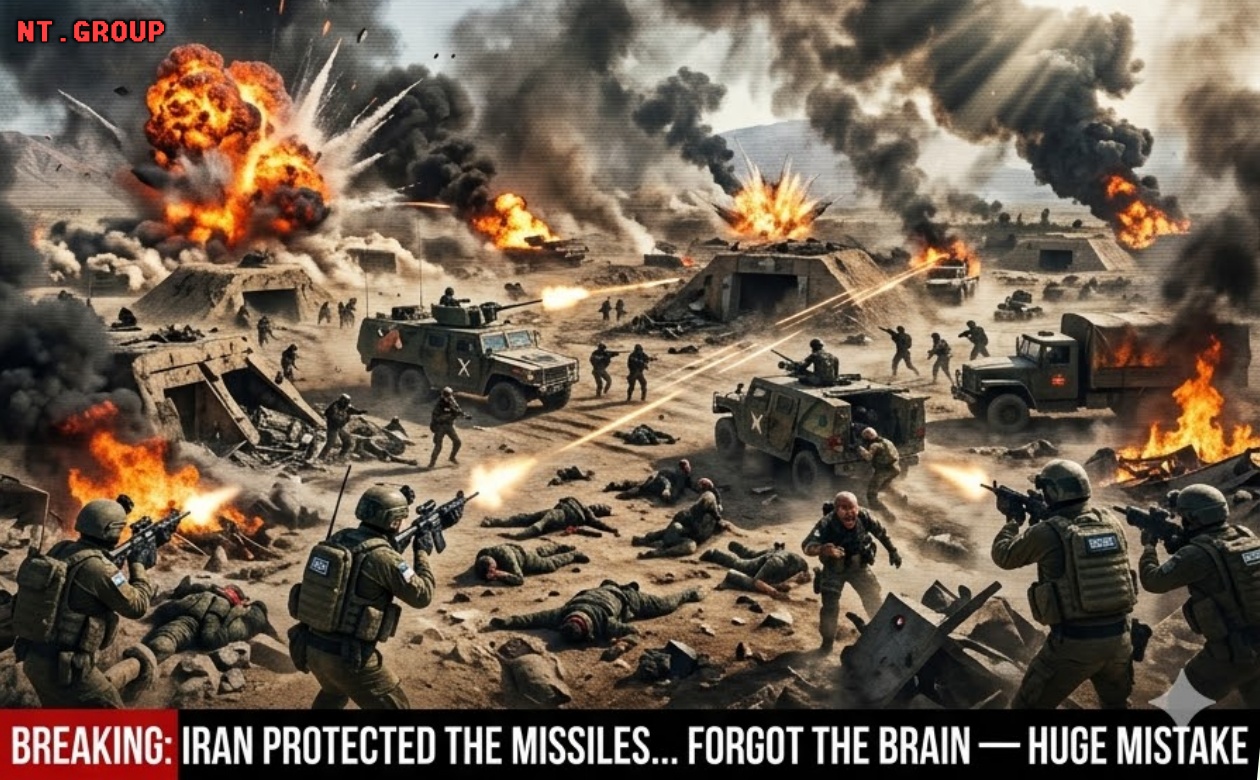
From the very start of the campaign, U.S. and allied forces prioritized command-and-control nodes, IRGC headquarters elements, and coordination infrastructure—the systems that actually make missiles usable.
And the impact was immediate.
When those systems are hit, missiles don’t disappear.
They become disconnected.
Units struggle to receive orders.
Launch timing breaks down.
Coordination across regions weakens.
That’s exactly what analysts are now seeing.
Despite still having missiles, Iran’s ability to use them effectively has been significantly disrupted, with launch rates dropping sharply after early waves of strikes.
Even intelligence assessments show that while infrastructure is damaged—not destroyed—the real disruption is operational.
Because modern warfare isn’t just about weapons.
It’s about systems.
And systems depend on coordination.
Recent reporting confirms that thousands of strikes have targeted not just physical assets, but leadership hubs and control networks, degrading Iran’s ability to organize large-scale attacks.
In some cases, command centers have been hit so hard that forces had to shift to mobile or temporary control units, constantly moving to avoid detection.
That’s a sign of pressure.
Not collapse—but disruption.
And that’s the real mistake.
Iran invested heavily in protecting its missiles.
But the war evolved.
Instead of trying to destroy every launcher, the strategy became:
Break the system that controls them.
Because a missile without coordination is just a stored weapon.
Not a threat.
Still, this is not the end.
Iran continues to adapt:
- Moving command structures
- Using decentralized launch methods
- Maintaining smaller-scale attacks
Which is why, even after heavy damage, it can still strike.
But the difference is clear.
Before: large, coordinated barrages.
Now: reduced, less frequent, harder-to-coordinate attacks.
The missiles survived.
But the network behind them took the real hit.
And in modern war, that’s often what matters most.
Because protecting the weapon is one thing.
Protecting the system that makes it work…
Is everything.