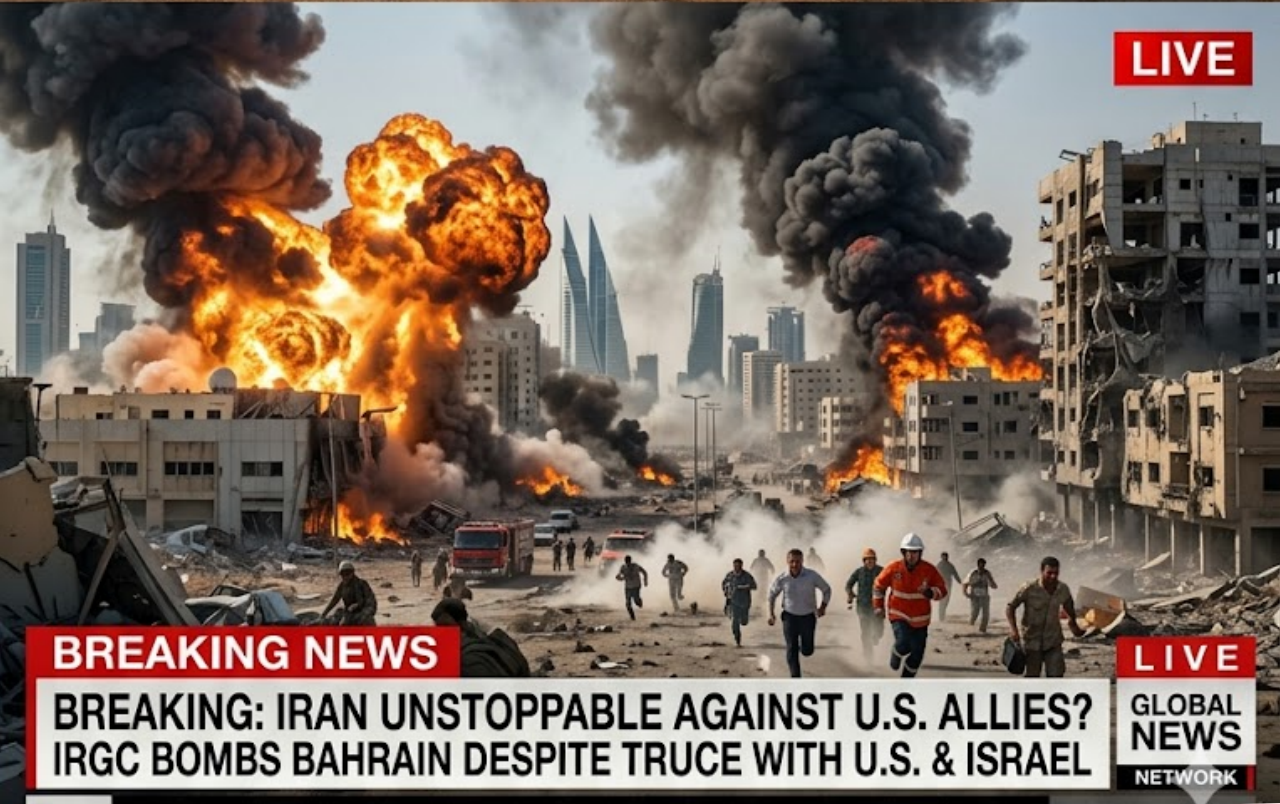
The fragile ceasefire between Iran, the United States, and Israel is facing serious strain as renewed attacks across the الخليج—particularly in Bahrain—raise questions about whether Tehran can be contained. Despite diplomatic efforts to pause hostilities, reports of missile and drone strikes linked to Iran’s Islamic Revolutionary Guard Corps (IRGC) suggest that the conflict is far from under control.
Bahrain, a key U.S. ally and host to the U.S. Navy’s Fifth Fleet, has become a repeated target in the ongoing confrontation. Even after the announcement of a two-week ceasefire, Bahraini authorities reported intercepting multiple drones believed to have originated from Iran. These incidents highlight the continued threat facing Gulf nations, despite official claims that hostilities should have ceased.
The situation is further complicated by conflicting narratives. While Gulf states, including Bahrain and the United Arab Emirates, have reported attacks shortly after the truce was declared, Iran has firmly denied launching any strikes during the ceasefire period. Iranian officials insist that their forces would publicly acknowledge any military action and have dismissed the reports as misinformation or actions by other actors. This contradiction has made it difficult to determine whether the ceasefire is being deliberately violated or simply poorly enforced.
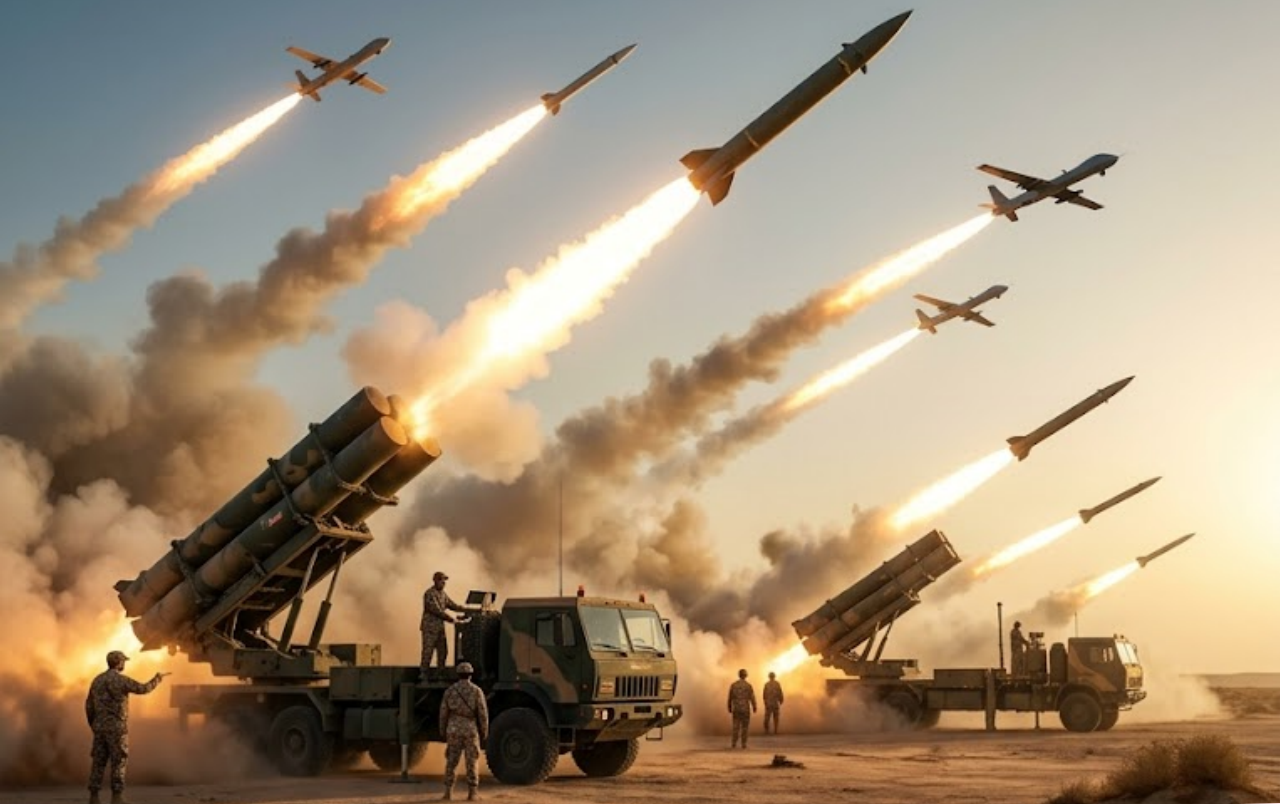
What is clear, however, is the scale of the threat. Since the outbreak of the conflict, Bahrain alone has intercepted nearly 200 missiles and over 500 drones. These numbers illustrate the intensity of the campaign and the pressure placed on regional defense systems. Earlier strikes also targeted industrial infrastructure, including aluminum facilities tied to global supply chains, signaling that the conflict extends beyond purely military objectives.
The persistence of these attacks raises a broader question: is Iran effectively “unstoppable” against U.S.-aligned nations in the region? While Iran has demonstrated an ability to project power asymmetrically—using missiles, drones, and proxy tactics—it is important to note that many of these attacks have been intercepted, limiting their overall impact. Nevertheless, the psychological and strategic pressure they create is significant, keeping Gulf nations on high alert and exposing vulnerabilities in regional security.
At the same time, the ceasefire itself appears increasingly fragile. Reports indicate that multiple Gulf countries experienced strikes within hours of the agreement being announced, suggesting that coordination and compliance remain major challenges. Whether due to decentralized command structures, miscommunication, or deliberate escalation, the result is the same: a truce that exists more on paper than in reality.
Ultimately, the events in Bahrain underscore the complexity of the conflict. While Iran has not achieved uncontested dominance, its ability to continue launching—or being accused of launching—attacks during a ceasefire highlights the limits of current diplomatic efforts. As missiles and drones continue to threaten U.S. allies, the region remains on edge, and the risk of a broader escalation continues to grow.