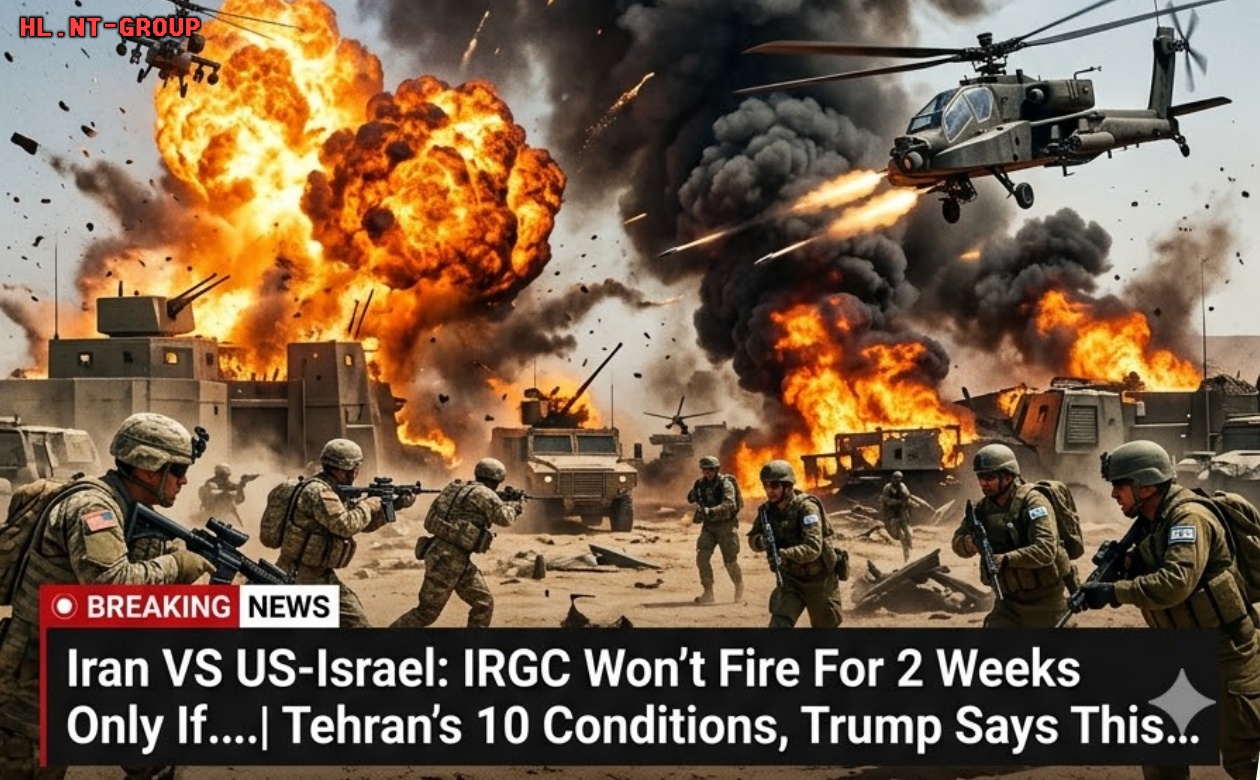
A sudden and dramatic pause in the escalating conflict between Iran and the US-Israel alliance has emerged, as both sides signal conditional willingness to halt hostilities—for now. At the center of this fragile development is a proposed two-week ceasefire, tied to a complex set of demands from Tehran and a last-minute decision by former U.S. President Donald Trump.
According to multiple reports, the ceasefire hinges on a strict condition: Iran, including its powerful Islamic Revolutionary Guard Corps (IRGC), would temporarily halt offensive operations only if the United States and its allies also suspend attacks and meet key strategic requirements. Chief among these is the immediate and complete reopening of the Strait of Hormuz, a vital global energy corridor through which roughly 20% of the world’s oil supply flows. ()
Trump confirmed that he agreed to pause U.S. military strikes for two weeks, describing the move as part of a broader effort to negotiate a “long-term peace” framework. The decision reportedly came just hours before a major escalation deadline, highlighting how close the region may have come to a far wider war.
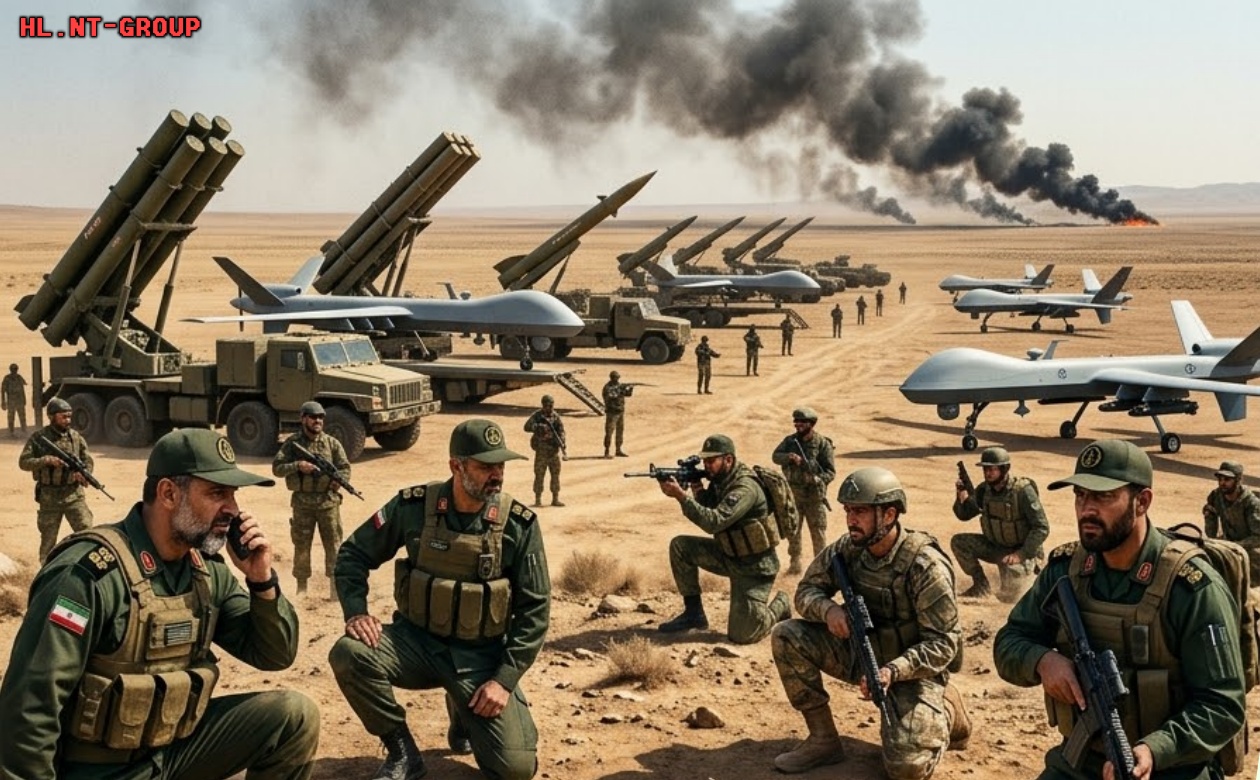
Tehran, however, is not offering concessions without conditions. Iranian officials have put forward what is described as a “10-point proposal,” forming the backbone of any potential agreement. While the full details remain undisclosed, key elements reportedly include the lifting of economic sanctions, withdrawal of U.S. forces from the region, access to frozen Iranian assets, and recognition of Iran’s strategic control over critical waterways. ()
In this context, the IRGC’s stance appears clear: no attacks for two weeks—but only if these terms are respected and reciprocal restraint is guaranteed. Iranian leadership has framed the proposal as a position of strength, emphasizing that any ceasefire must preserve national sovereignty and strategic leverage.
Trump, meanwhile, described Iran’s proposal as a “workable basis” for negotiation, though he also indicated that some conditions remain insufficient. His messaging reflects a balancing act—projecting strength while seeking a diplomatic off-ramp from an increasingly costly and volatile conflict. ()
The situation on the ground remains tense despite the announcement. Missile alerts and sporadic clashes have continued in parts of the region, underscoring the fragile and uncertain nature of the ceasefire. Analysts warn that any violation—intentional or accidental—could quickly collapse the agreement and reignite full-scale hostilities.
For now, the world watches a high-stakes pause unfold. The next two weeks may determine whether this conflict moves toward de-escalation—or becomes the prelude to an even more dangerous phase.
One thing is certain: this is not peace yet. It is a narrow window, shaped by conditions, power, and the constant threat of what comes next.