No—under realistic conditions, Iran does not possess the capability to consistently detect, track, and destroy a U.S. Los Angeles-class (688-class) submarine. That said, in certain constrained coastal environments, it can pose limited risks through indirect or asymmetric means.
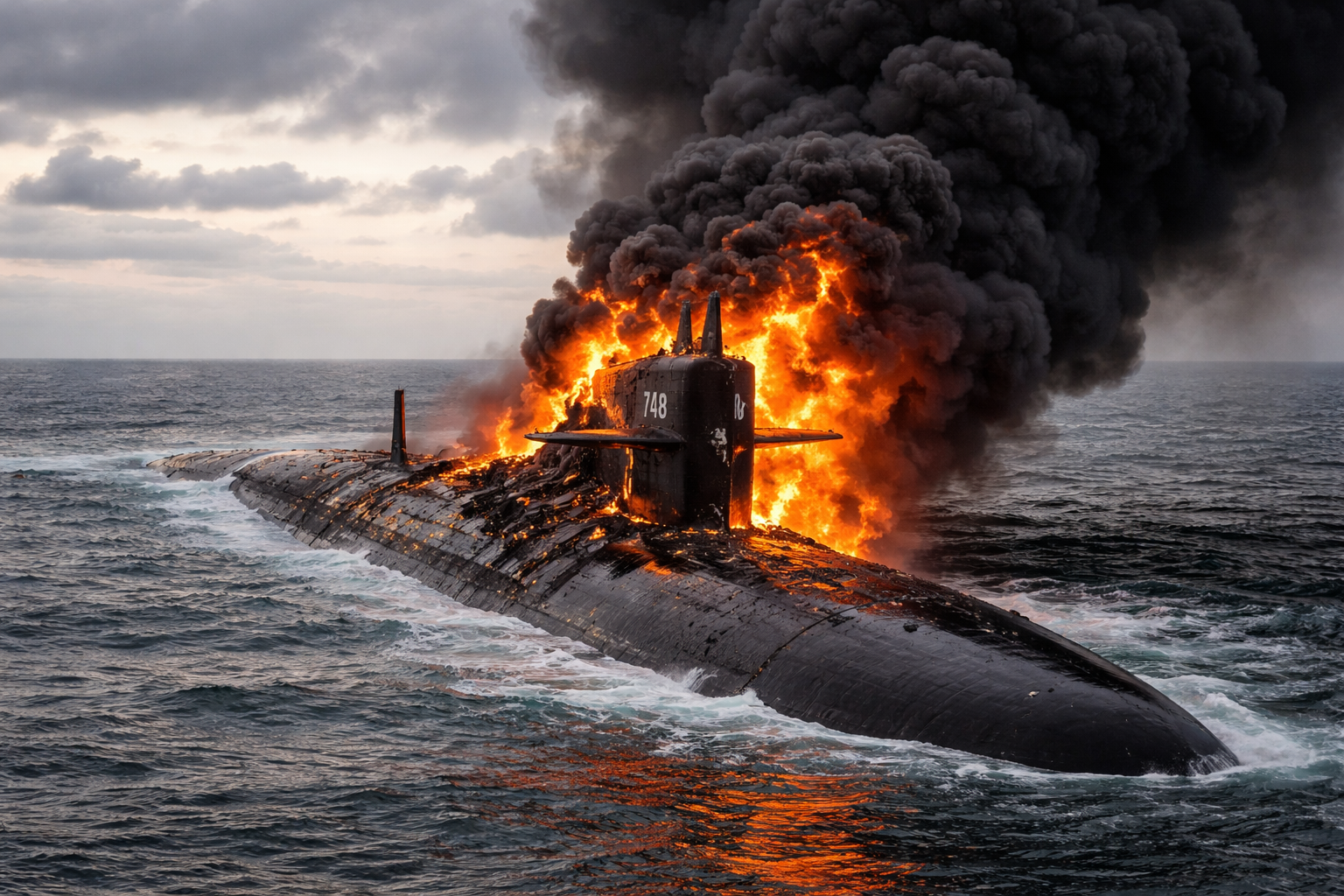
The Los Angeles-class submarine is a nuclear-powered fast-attack platform built for missions such as anti-submarine warfare, intelligence gathering, and precision strikes. Over time, it has undergone extensive upgrades, improving its stealth, sensors, and weapons systems. Today, it remains one of the most advanced and elusive underwater combat assets in operation.
It’s also important to clarify terminology: submarines aren’t “shot down” like aircraft. The real challenge is far more complex—locating them in vast ocean spaces and successfully engaging them using anti-submarine warfare (ASW) tools such as torpedoes, mines, or coordinated detection systems.
Key challenges Iran would face
1. U.S. submarines are extremely difficult to detect
Los Angeles-class submarines are engineered for near-silent operation, especially at low speeds. Their quiet nuclear propulsion, sound-dampening design, and ability to exploit ocean conditions—like thermal layers that distort sonar—make them exceptionally hard to track. Many regional navies, including Iran’s, lack the advanced sonar systems and data-processing capabilities needed to reliably detect such vessels in open waters.
2. Limited anti-submarine warfare capabilities
Iran operates a mix of diesel-electric submarines, smaller coastal subs, and surface ships with basic ASW equipment. However, these platforms typically have shorter operational endurance and less sophisticated detection technology compared to major naval powers. Effective ASW requires a layered system—maritime patrol aircraft, sonar buoys, towed sonar arrays, and highly trained personnel working in coordination. This level of integration is not fully developed in Iran’s current naval structure.
3. Geography offers only partial advantages
In shallow, crowded waters like the Persian Gulf or the Strait of Hormuz, detection can become somewhat easier due to environmental noise and limited depth. However, skilled submarine crews can still take advantage of seabed features, currents, and stealth tactics to remain hidden. In deeper regions such as the Arabian Sea or Indian Ocean, the advantage shifts even more strongly toward advanced nuclear submarines.
What real-world experience shows
Naval exercises and operational history consistently highlight how difficult it is to locate and engage quiet nuclear submarines. While tactics like deploying mines, using coastal surveillance, or coordinating multiple platforms can increase the threat level, they do not ensure success.
Is success ever possible?
In theory, certain situations could improve the odds—such as a submarine operating at high speed in confined waters, making a navigational mistake, or encountering well-placed mines in a strategic chokepoint. However, these scenarios depend heavily on precise timing, accurate intelligence, and strong coordination, making them relatively unlikely.
Overall assessment
While Iran and similar regional forces can create localized challenges in narrow or shallow waters, the technological edge, training, and operational experience of advanced nuclear submarine fleets remain decisive. As a result, reliably detecting and neutralizing a Los Angeles-class submarine is an extremely difficult task in most realistic combat situations.