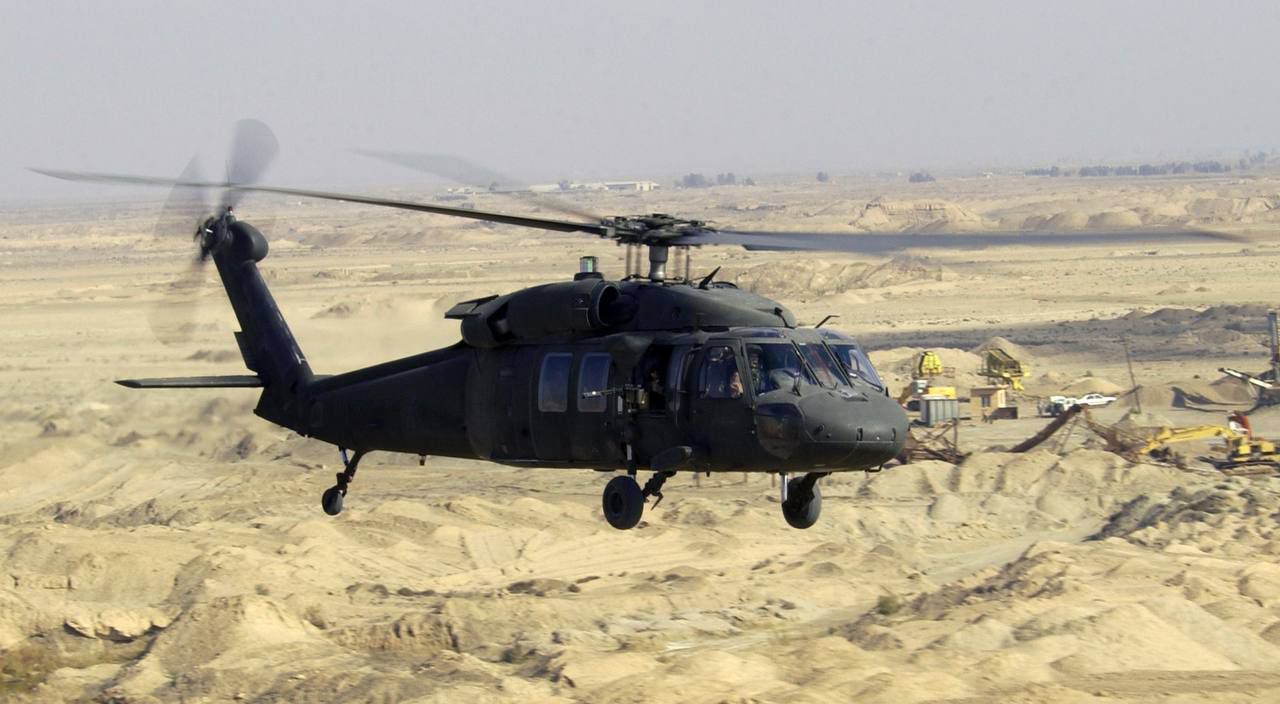
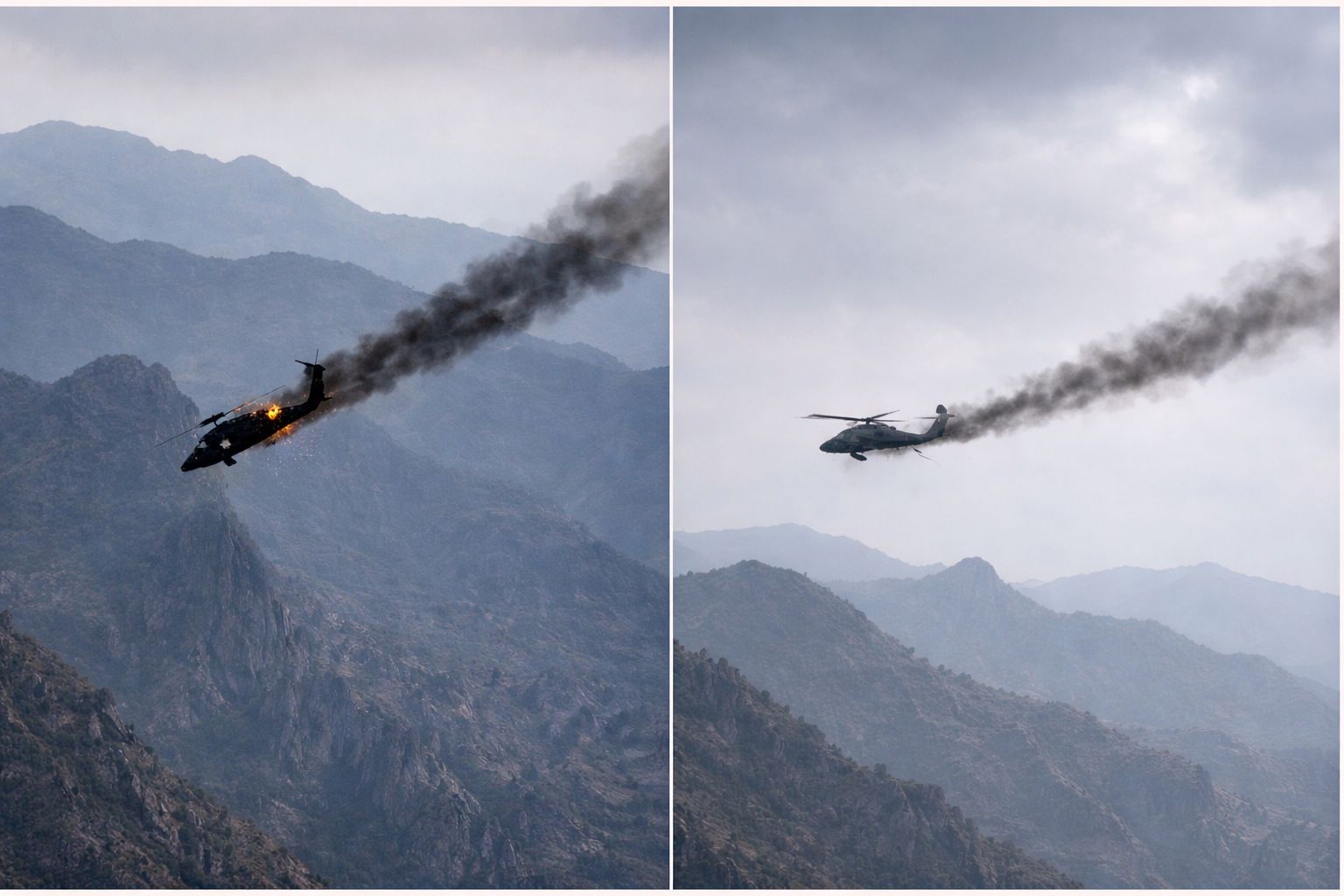
The crisis in the Middle East has intensified as Iranian forces reportedly targeted a U.S. rescue helicopter during a high-stakes mission to recover a missing pilot. This escalation turns a humanitarian recovery effort into a direct combat engagement, significantly raising the risk of a full-scale retaliatory response from the U.S. military.
Search and Rescue (SAR) operations are considered sacred missions in military doctrine, and targeting these assets is often viewed as an unforgivable breach of international norms. The helicopter was likely operating in a high-threat environment, utilizing specialized electronics to evade detection before being intercepted or engaged by Iranian air defenses.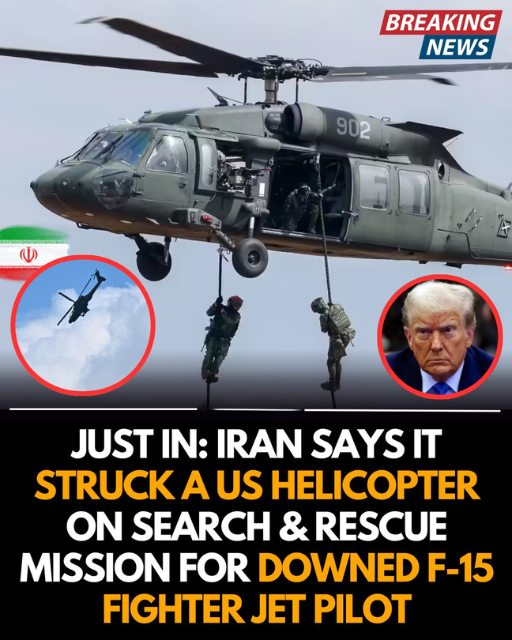
The status of the helicopter’s crew and the original F-15 pilot remains unconfirmed, leaving families and the international community in a state of agonizing uncertainty. U.S. Central Command is reportedly repositioning additional assets, including drone cover and rapid-response teams, to secure the area and prevent further losses.
Washington is facing immense pressure to respond with overwhelming force to protect its personnel and ensure that “no man is left behind.” This incident creates a complex tactical dilemma, as any further rescue attempts will now require a much larger and more aggressive protective escort.
As the clock ticks, the geopolitical fallout is reaching a breaking point, with diplomatic channels almost entirely severed in favor of military posturing. The world is bracing for the possibility that this specific engagement could be the spark that ignites a broader regional war involving multiple global powers.