The numbers are rising—and they are impossible to ignore.
Since the start of the war in late February 2026, more than 2,000 people in Iran have been killed following waves of U.S. and Israeli airstrikes targeting military infrastructure, missile sites, and leadership compounds.
But behind that number… is something far more devastating.
Entire neighborhoods shaken.
Hospitals overwhelmed.
Cities under constant threat.
Recent estimates suggest the death toll inside Iran alone has climbed close to 1,900–2,000+, with tens of thousands injured, as the conflict intensifies across multiple regions.
And many of those killed?
Civilians.
Human rights groups report that a significant portion of casualties include non-combatants—families caught in strikes, children killed in densely populated areas, and infrastructure destroyed in the crossfire.
This is no longer just a military campaign.
It’s a humanitarian crisis.
The war began with a massive opening strike—hundreds of coordinated U.S. and Israeli attacks aimed at crippling Iran’s air defenses, missile systems, and nuclear-related facilities. But as the campaign expanded, so did the scope of destruction.
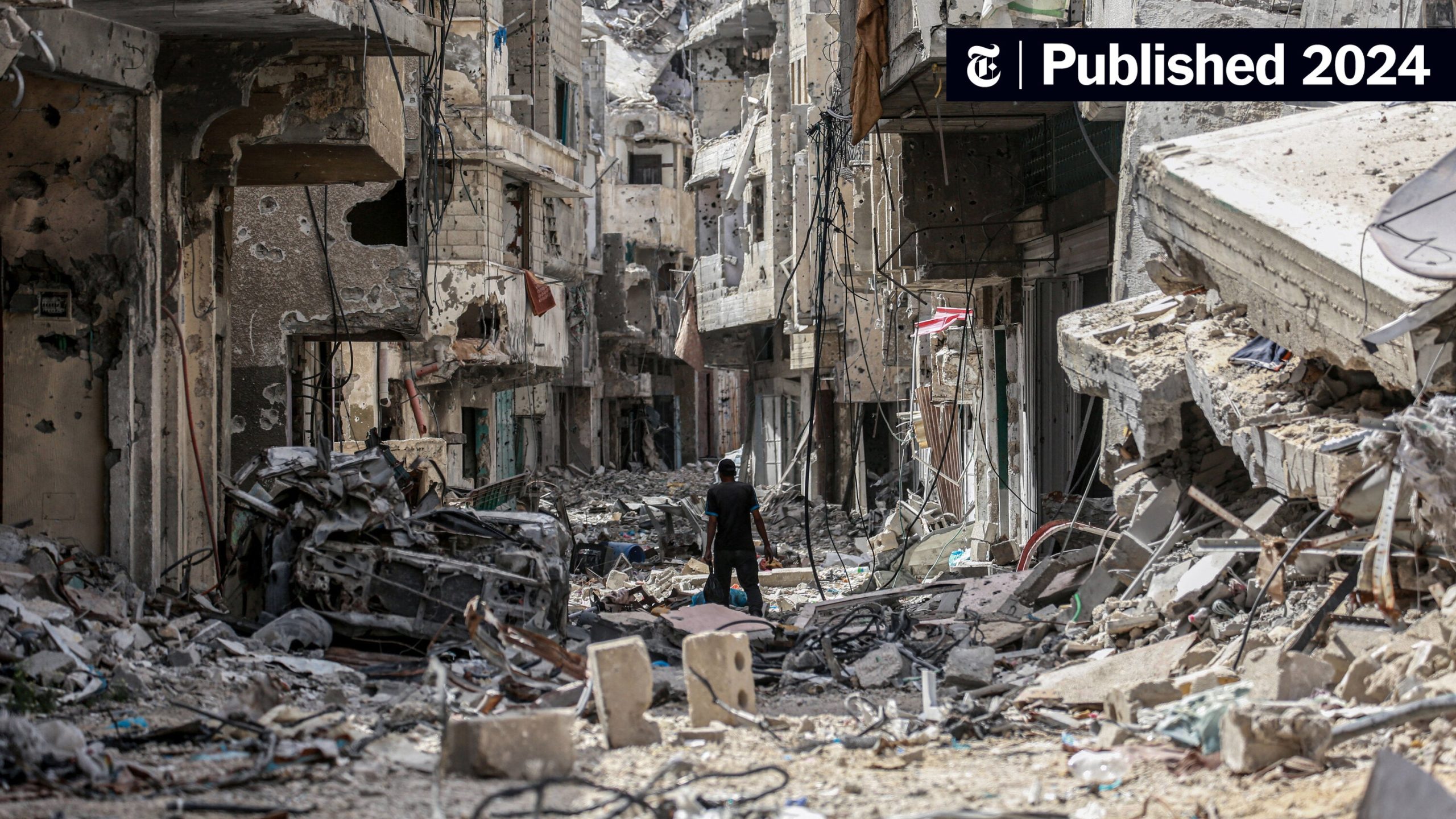
Thousands of targets have now been hit.
Entire regions disrupted.
And the الحرب shows no signs of slowing.
At the same time, Iran has not remained passive. Missile and drone attacks have struck Israel, U.S. bases, and key locations across the Middle East, spreading the conflict far beyond Iran’s borders.
The result?
A regional war with global consequences.
Oil routes have been disrupted. Markets shaken. And tensions pushed to levels not seen in decades. Some estimates suggest over 11,000 U.S. strikes have already been carried out in just weeks, highlighting the sheer intensity of the campaign.
But numbers alone don’t tell the full story.
Because each strike… each explosion… adds to a growing cycle.
Attack. Retaliation. Escalation.
And with every passing day, the human cost rises.
Even within official statements, there is uncertainty. Different organizations report varying figures, and access inside Iran remains limited—meaning the true toll could be even higher than current estimates.
That’s what makes this moment so critical.
Because once a conflict crosses this threshold—thousands dead, infrastructure shattered, multiple nations involved—it becomes much harder to contain.
And much easier to lose control.
So while headlines focus on strategy, weapons, and power…
The real story is this:
The cost is already in the thousands.
The damage is spreading.
And the end is nowhere in sight.
Because in wars like this, the numbers don’t just count the dead.
They warn of what’s still coming.