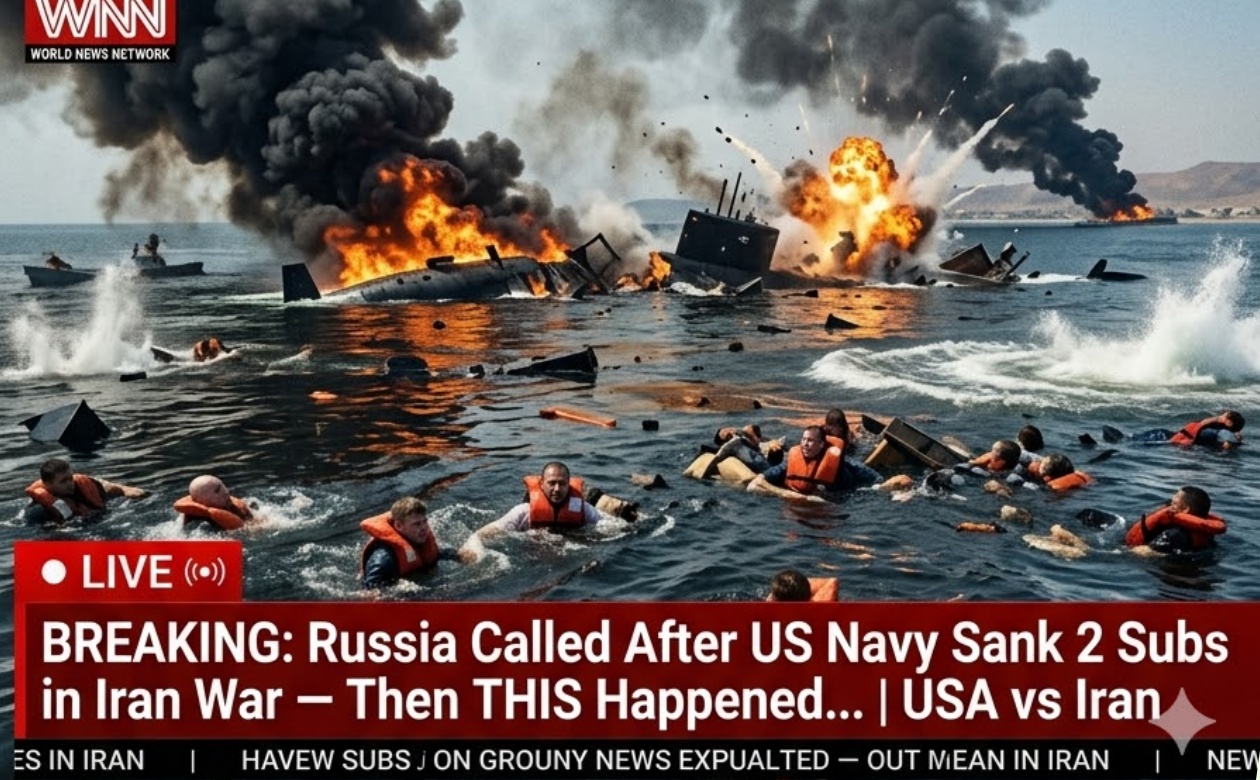
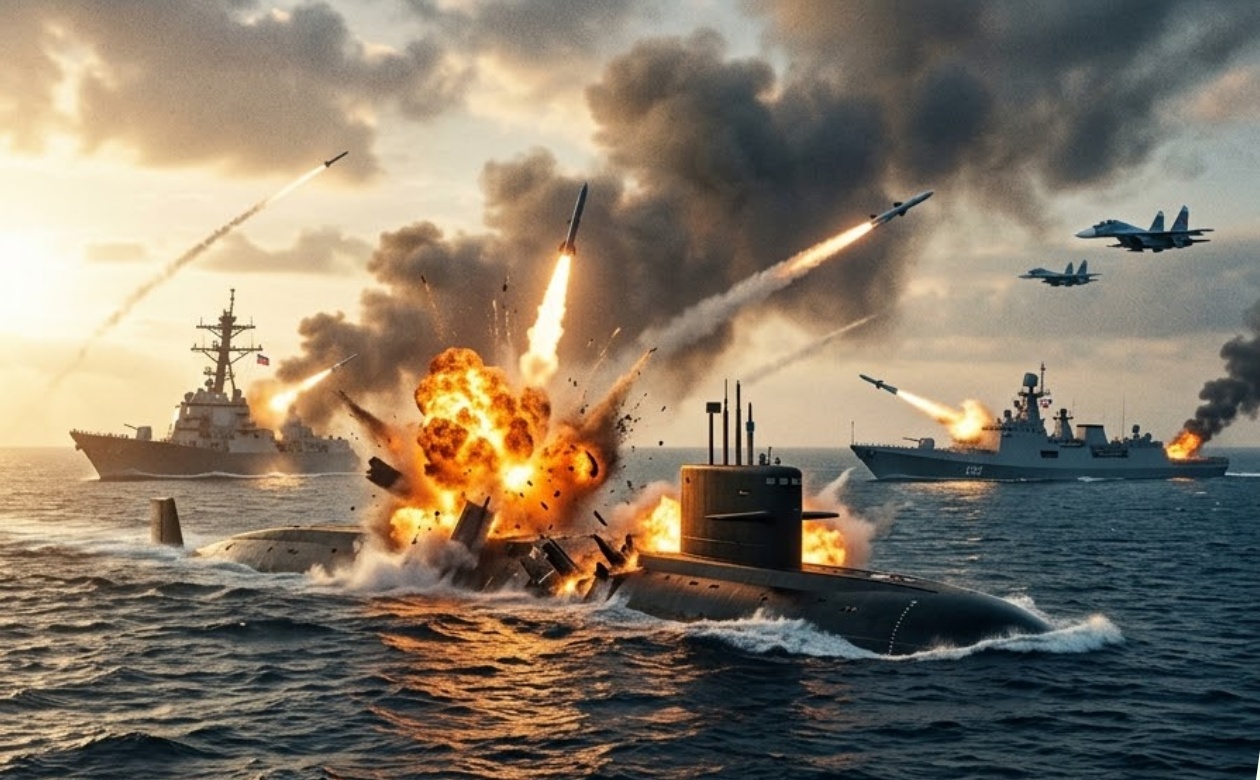
In the predawn hours, as tensions in the Middle East continued to spiral, controversial reports circulated claiming that the United States Navy had sunk two Iranian submarines in the ongoing conflict with Tehran — prompting urgent calls between Moscow and Washington. Though details remain murky and many claims are still unverified, the developments have highlighted the broader geopolitical stakes as global powers watch closely.
The alleged submarine sinkings would represent a major naval escalation in what has already become one of the most intense military confrontations in recent years. U.S. military leaders previously announced that American naval forces had destroyed a large number of Iranian ships as part of Operation Epic Fury, targeting naval assets to degrade Iran’s ability to challenge shipping in the Strait of Hormuz and threaten U.S. and allied forces. In one confirmed instance, a U.S. submarine torpedoed and sank the Iranian frigate IRIS Dena in the Indian Ocean — an action Pentagon officials noted was the first such attack on an enemy warship by a U.S. sub since World War II.
Following reports of additional submarine sinkings, international attention turned to Russia, which shares strategic ties with Tehran and has offered varying degrees of political, economic, and reportedly intelligence support to Iran since the outbreak of hostilities. Recent reporting indicates that Russia has been providing intelligence to Iran to help target U.S. forces in the region, a development that has alarmed Western defense officials and raised concerns about further escalation beyond the Middle East theater.
According to diplomatic sources, a late‑night call between Russian and U.S. defense officials was initiated around 3:00 AM local time after the submarine reports spread rapidly online, though both capitals have so far offered minimal public confirmation of the contents. Western officials say Russia is seeking assurances that its own interests will not be drawn directly into the conflict — especially after Tehran’s leadership hinted at seeking broader external coordination. Analysts view this as part of a larger pattern in which major powers jockey behind the scenes even as proxy clashes and direct strikes continue on the ground and at sea.
The naval confrontation has significant strategic implications. Iran has invested in a fleet of small and medium submarines — including Ghadir‑class midget subs designed to operate in the shallow waters of the Gulf — which analysts say could pose a genuine threat to surface vessels and U.S. aircraft carriers transiting the region. Even without confirmed multi‑submarine sinkings, the mere suggestion of such an event amplifies uncertainty and fears of maritime escalation.
Meanwhile, the broad conflict continues to ripple outward. Iran has launched missiles at Israeli, U.S., and allied positions; Israel has conducted airstrikes deep inside Iranian territory; and Gulf nations remain on high alert as shipping disruptions threaten global energy markets.
Whether the submarine claims are fully substantiated or part of a fog‑of‑war information battle, they have already influenced diplomatic communications and military postures. With Russia’s involvement — direct or indirect — still unclear, the risk remains that localized fighting could intersect with great‑power rivalries in unpredictable and dangerous ways.