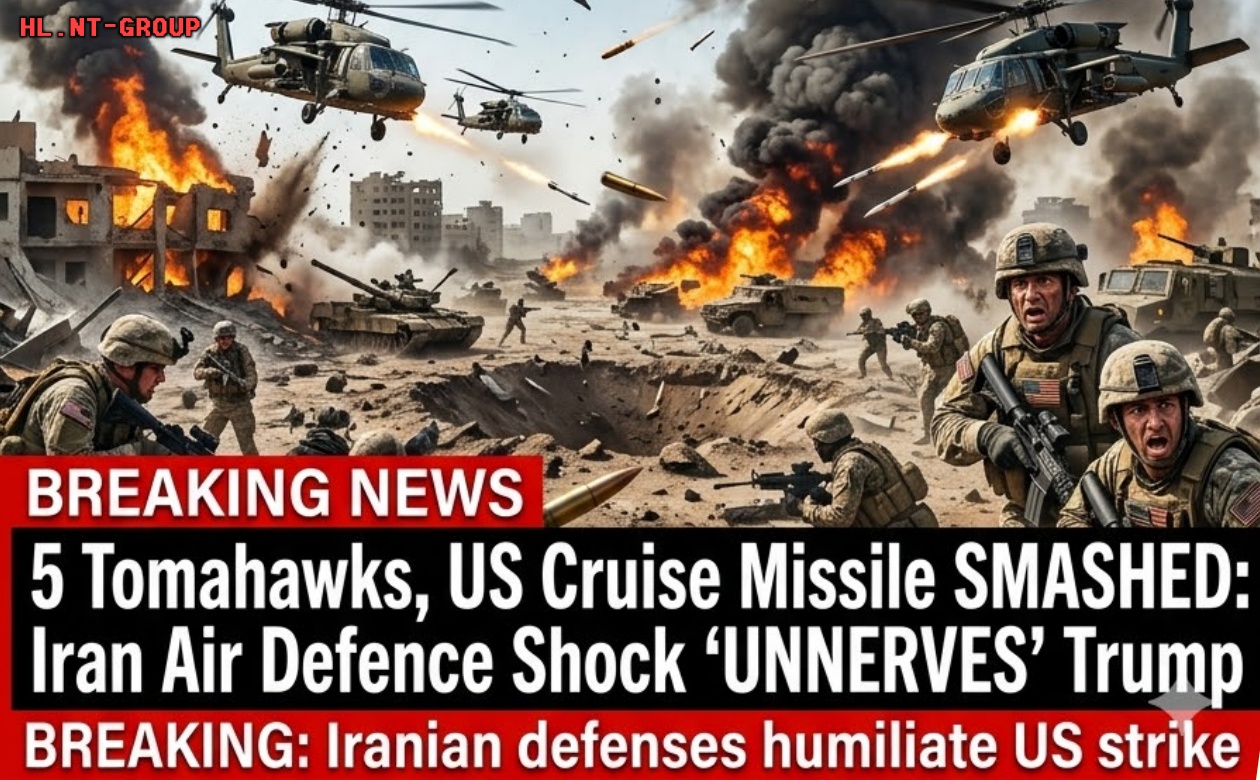
The ongoing conflict between the United States and Iran has taken a surprising turn, as reports and claims surrounding Iran’s air defense capabilities challenge earlier assumptions of American dominance. In recent weeks, narratives have emerged suggesting that multiple U.S. Tomahawk cruise missiles were intercepted or destroyed by Iranian defenses, raising concerns within political and military circles.
The United States had launched an extensive campaign under Operation Epic Fury, firing more than 850 Tomahawk missiles at Iranian targets in just a few weeks. These long-range, precision-guided weapons have historically been a cornerstone of U.S. military strategy, designed to strike critical infrastructure while minimizing risk to personnel. Initially, U.S. officials claimed that Iran’s air defense systems had been largely suppressed during the opening phase of the war.
However, the situation on the ground appears more complex. Iranian officials have claimed that their air defense units successfully intercepted at least one incoming Tomahawk missile, demonstrating rapid response and operational readiness. While such claims are difficult to independently verify, they contribute to a broader narrative that Iran’s defensive network remains functional despite sustained bombardment.
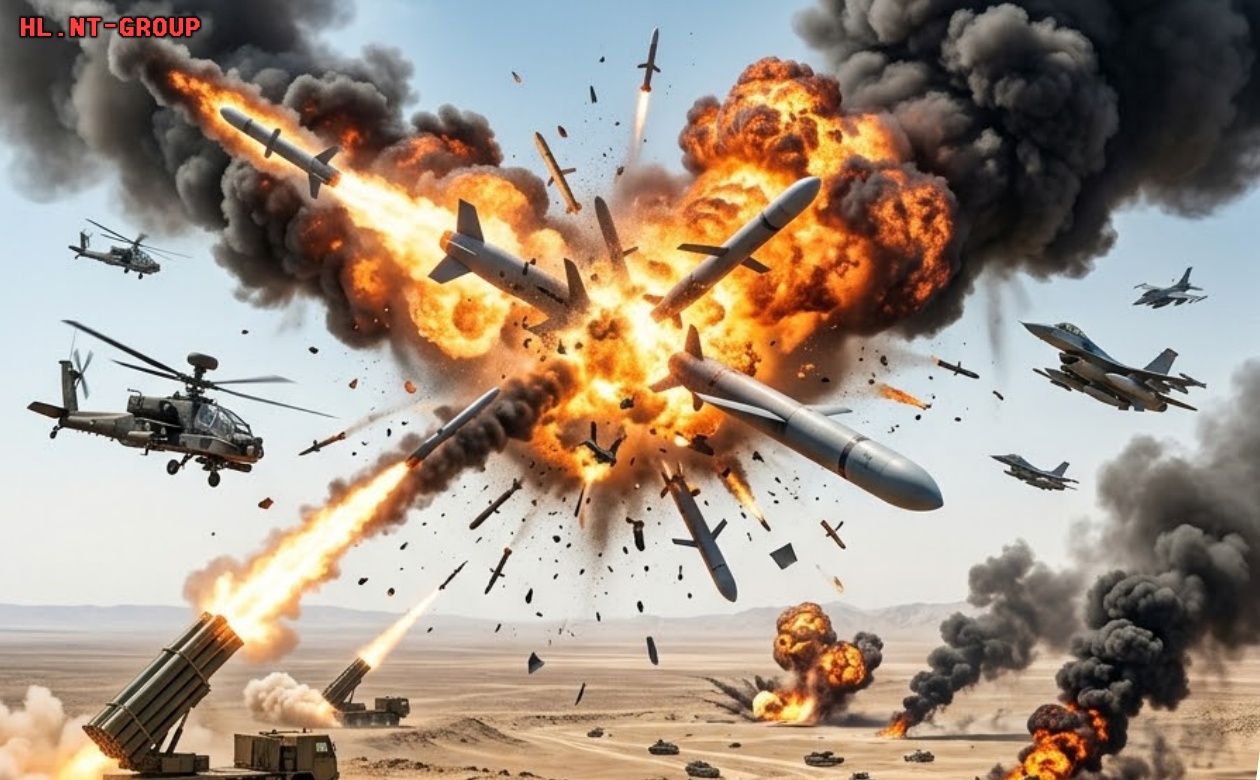
More significantly, recent battlefield developments have added weight to these concerns. Reports confirm that Iranian forces have managed to shoot down U.S. aircraft, including an F-15E fighter jet, marking a notable escalation in the conflict. Analysts suggest that Iran’s use of mobile and layered air defense systems—ranging from legacy missile platforms to newer technologies—has made them harder to neutralize than previously expected.
This evolving reality appears to contradict earlier statements by former President Donald Trump, who had asserted that Iran’s air defenses were effectively neutralized. Instead, the persistence of Iranian resistance has introduced uncertainty into U.S. strategic calculations. Military experts warn that even limited interception successes can have outsized psychological and operational impacts, particularly when dealing with high-cost assets like Tomahawk missiles.
The claim that “five Tomahawks were smashed” may be exaggerated or part of information warfare, but it reflects a deeper issue: the fog of war and competing narratives shaping global perception. Iran, for its part, is keen to project strength and resilience, while the U.S. seeks to maintain the image of overwhelming superiority.
Ultimately, whether or not multiple Tomahawk missiles were truly destroyed, the broader implication is clear. Iran’s air defense capabilities—far from being eliminated—continue to pose a credible threat. This reality not only complicates U.S. military operations but also introduces political pressure at home, where expectations of a swift and decisive campaign are now being tested.
As the conflict unfolds, the battle is no longer just about firepower, but also about perception, credibility, and strategic endurance.