At 6:05 a.m., the warning became reality.
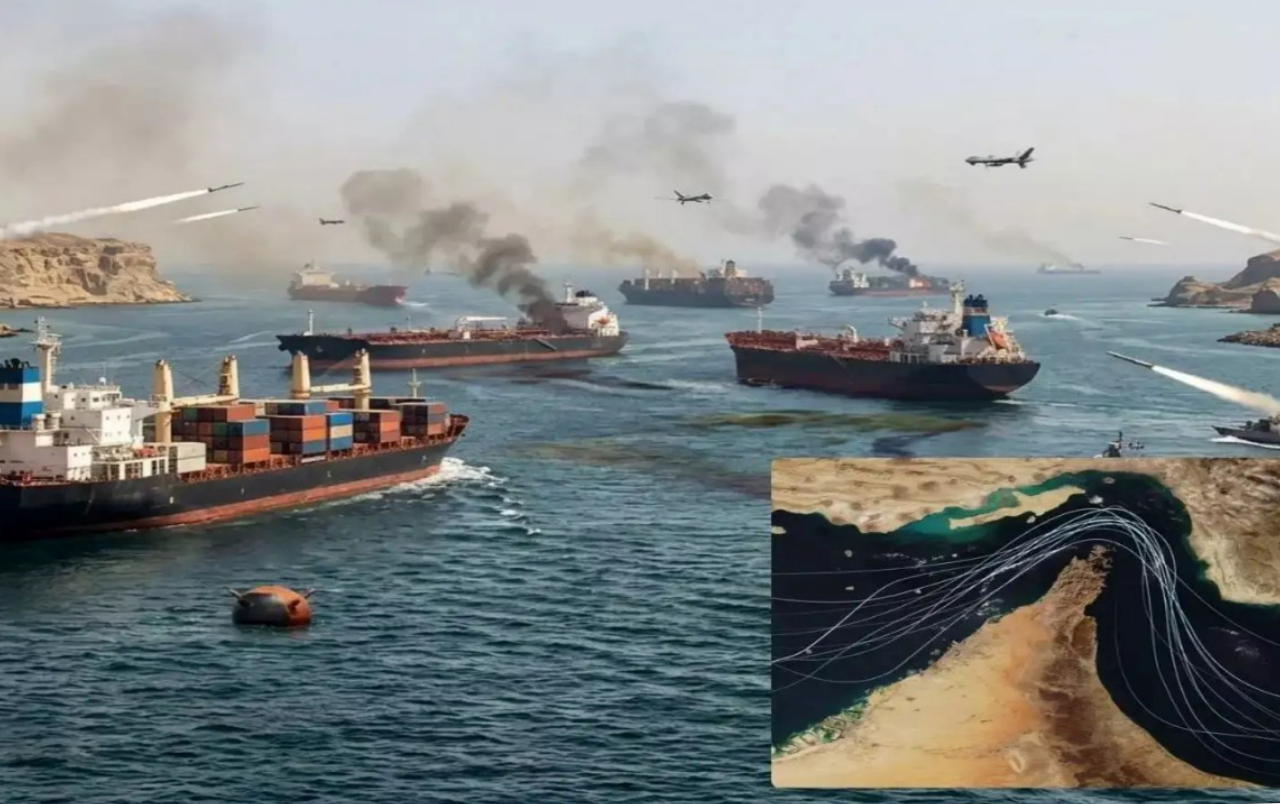
Iran had effectively shut down the Strait of Hormuz—one of the most critical chokepoints on Earth. Ships were turned away. Tankers stopped moving. Within days, traffic through the strait collapsed, disrupting nearly 20% of the world’s oil supply.
This wasn’t just a regional move.
It was a global shockwave.
Iran used a combination of tactics to enforce the closure:
- Missile and drone attacks on ships
- Naval harassment
- Sea mines and electronic disruption
The result was immediate—over 150 ships stranded, and global markets thrown into chaos.
For a brief moment, it looked like Iran had control.
Then the U.S. responded.
But not in “3 hours”—and not with a single decisive strike.
Instead, the United States launched a sustained military campaign starting mid-March 2026, aimed at reopening the strait and degrading Iran’s ability to block it.
The strategy was clear:
Hit the system—not just the surface.
U.S. and allied forces targeted:
- Iranian naval vessels
- Drone launch platforms
- Coastal missile batteries
- Underground storage and mine facilities
In one major operation, U.S. forces struck over 90 military targets on Kharg Island, including missile bunkers and naval mine depots—key components of Iran’s blockade strategy.
There were also reports that large portions of Iran’s naval capability—especially fast-attack craft and logistical infrastructure—were severely damaged in these strikes.
But here’s the critical reality check:
There is no verified evidence that:
- Iran’s entire navy was “ended”
- Or that this happened in just “3 hours”
In fact, the battle for Hormuz is ongoing.
Even after heavy strikes:
- Iran continues to threaten shipping
- The strait remains unstable and contested
- Clearing mines and restoring safe passage is expected to take weeks or longer
Experts warn that reopening the strait is not a quick military victory—it’s a complex, dangerous process, especially with hidden mines and mobile missile systems still in play.
So what really happened?
Iran didn’t just close a waterway—it triggered one of the most critical naval confrontations in decades.
And the U.S. didn’t end it in hours.
It launched a multi-phase campaign:
- First, strike Iran’s ability to block the strait
- Then, reduce threats over time
- Finally, attempt to restore safe passage
That process is still unfolding.
Because Iran’s “navy” isn’t a single fleet.
It’s a network of:
- Small boats
- Hidden missile systems
- Mines
- Coastal defenses
And networks don’t collapse instantly.
They erode.
Still, one thing is undeniable:
The moment Iran closed Hormuz…
It triggered a response that reshaped the entire conflict.
And the fight for that narrow stretch of water is far from over.