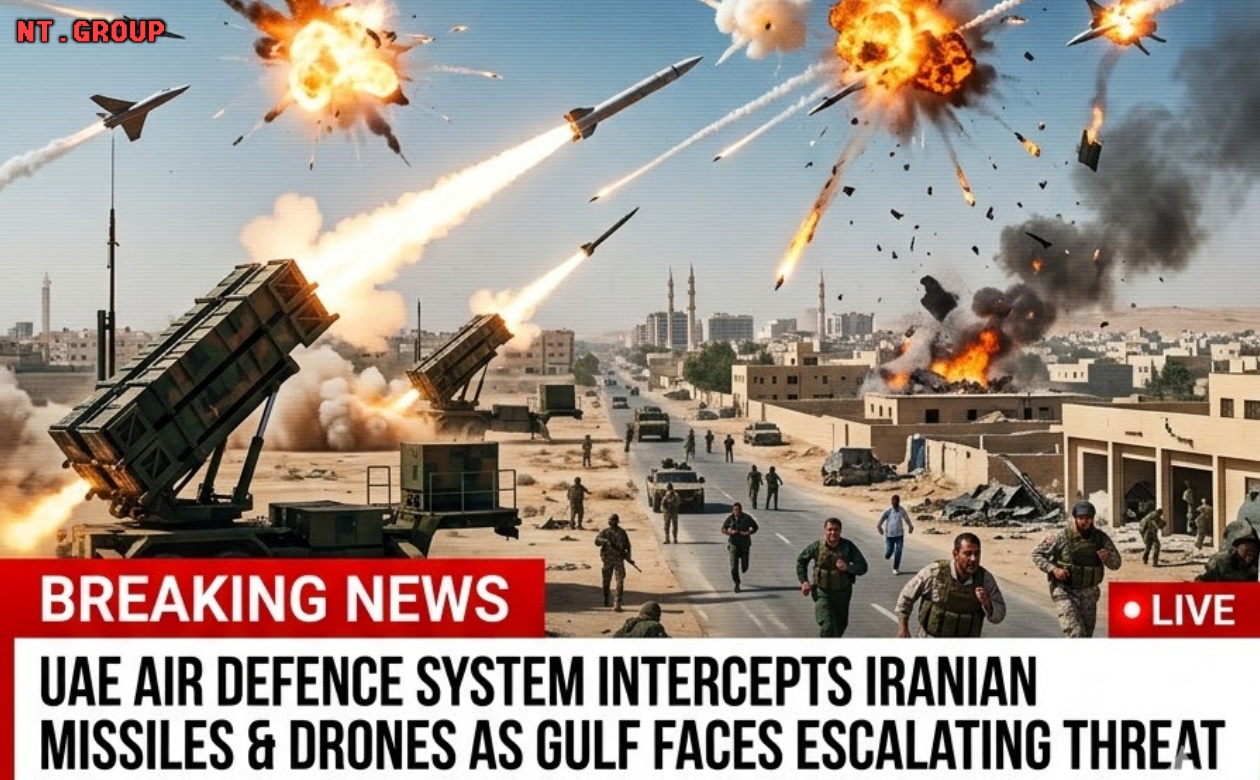
In the latest chapter of the widening Middle East conflict, the United Arab Emirates’ air defence systems have been put to the ultimate test, repeatedly detecting and destroying Iranian‑launched missiles and unmanned aerial vehicles (UAVs) aimed at Emirati territory. The scale of the interceptions highlights both the intensity of the regional threat and the sophistication of the UAE’s defensive network.
On April 2, 2026, the UAE Ministry of Defence announced that its air defence forces successfully intercepted 19 ballistic missiles and 26 UAVs launched from Iran, a dramatic escalation in ongoing hostilities tied to the broader war involving the United States and Israel against Tehran. Since the conflict began, UAE defence systems have engaged hundreds of aerial threats, including over 450 ballistic missiles and more than 2,000 drones, according to official figures.
This massive number of interceptions reflects unprecedented hostility toward Gulf airspace, with Iranian forces continuing to aim long‑range firepower beyond traditional battle lines. In some cases, debris from intercepted missiles and drones has caused civilian damage and casualties, including the deaths of servicemen and civilians from multiple nationalities, underscoring the very real risks even when defensive systems perform effectively.
Officials in Abu Dhabi and across the UAE have stressed that the country remains on full alert, fully committed to protecting its airspace, infrastructure, and population — a commitment that has necessitated the deployment of layered air defence technologies capable of tracking and engaging threats at various altitudes and speeds.
The broader Gulf region has also seen other nations bolster their defences. Saudi Arabia and Bahrain reported intercepting Iranian‑launched drones and missiles within their own airspace, as repeated cross‑border attacks fuel concerns about regional stability and the potential for further escalation.
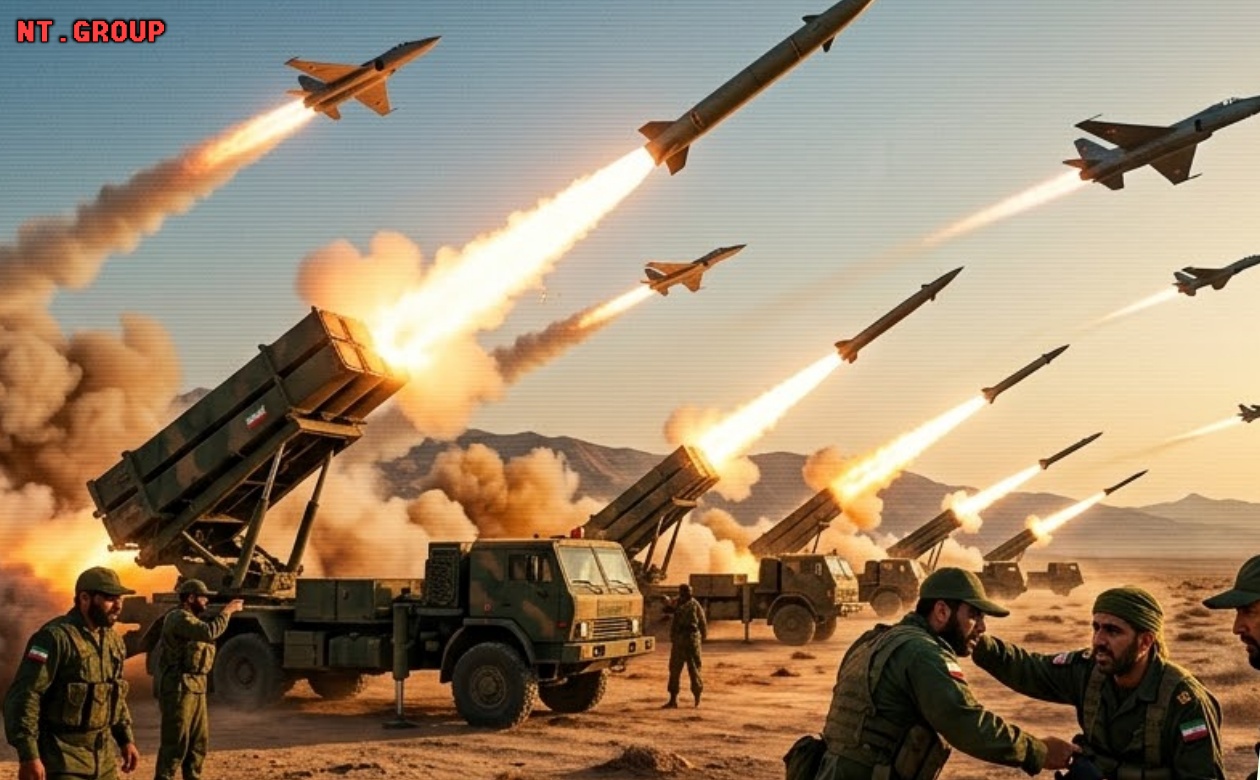
Iran’s continued use of ballistic missiles and UAVs — often in rapid, swarming waves — has challenged traditional defence grids, forcing Gulf states to maintain heightened readiness around the clock. Some analysts suggest that even advanced interception systems can be pressured by sheer volume and unexpected attack profiles, particularly when drones and missiles are launched simultaneously.
As the air‑defence shield remains active across the Gulf, the UAE’s ability to intercept incoming threats may help prevent broader devastation — but it also highlights the expanding reach of the Iran‑linked campaign, where missiles and drones now threaten not just military targets, but key civilian hubs and economic centers across the region.