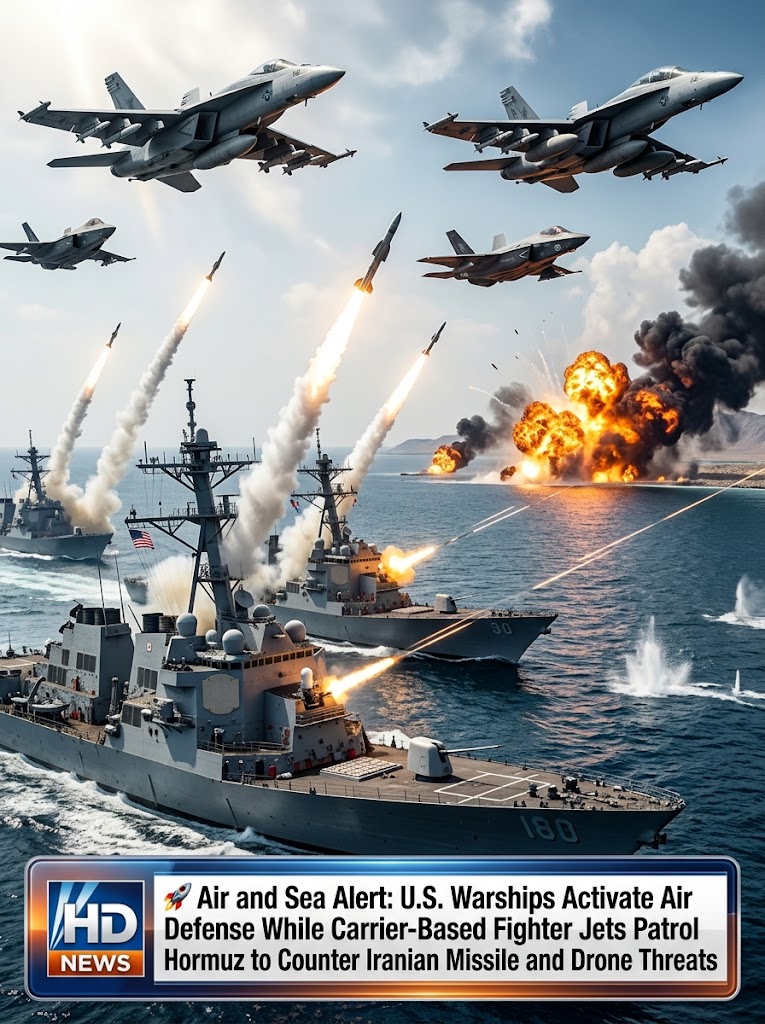
A heightened state of alert has been declared in the Strait of Hormuz as U.S. naval forces activate advanced defensive systems while carrier-based fighter jets intensify patrols over one of the world’s most sensitive maritime corridors. The move comes amid growing concerns over potential drone and missile threats targeting commercial shipping in the region.
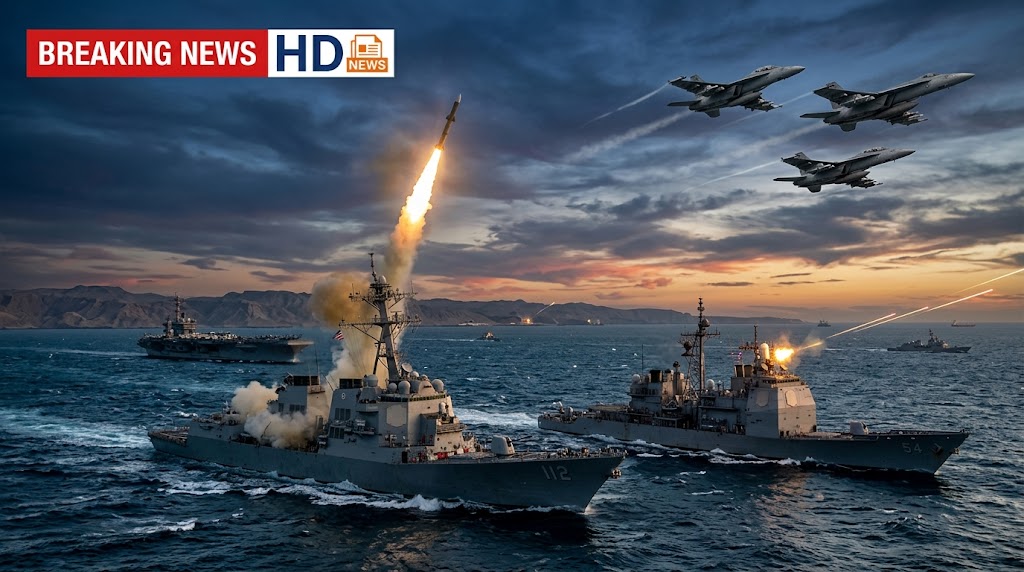
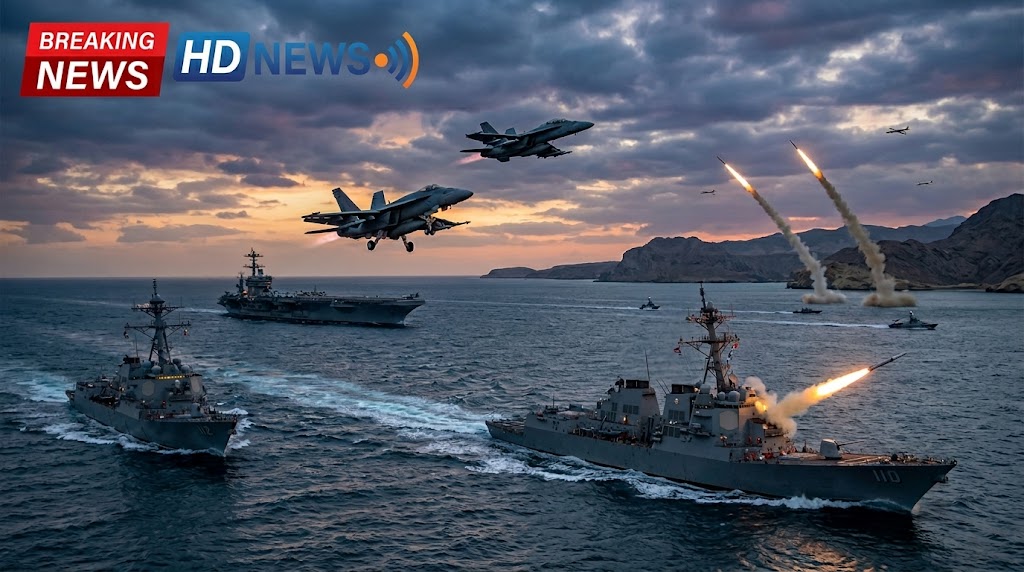
According to defense officials, the U.S. carrier strike group operating in the area has increased both air and sea readiness levels in response to what they describe as “evolving and unpredictable security conditions.” Carrier-based jets are now conducting continuous aerial patrols above key shipping lanes, monitoring for hostile aircraft, unmanned drones, and possible missile launches from coastal areas.
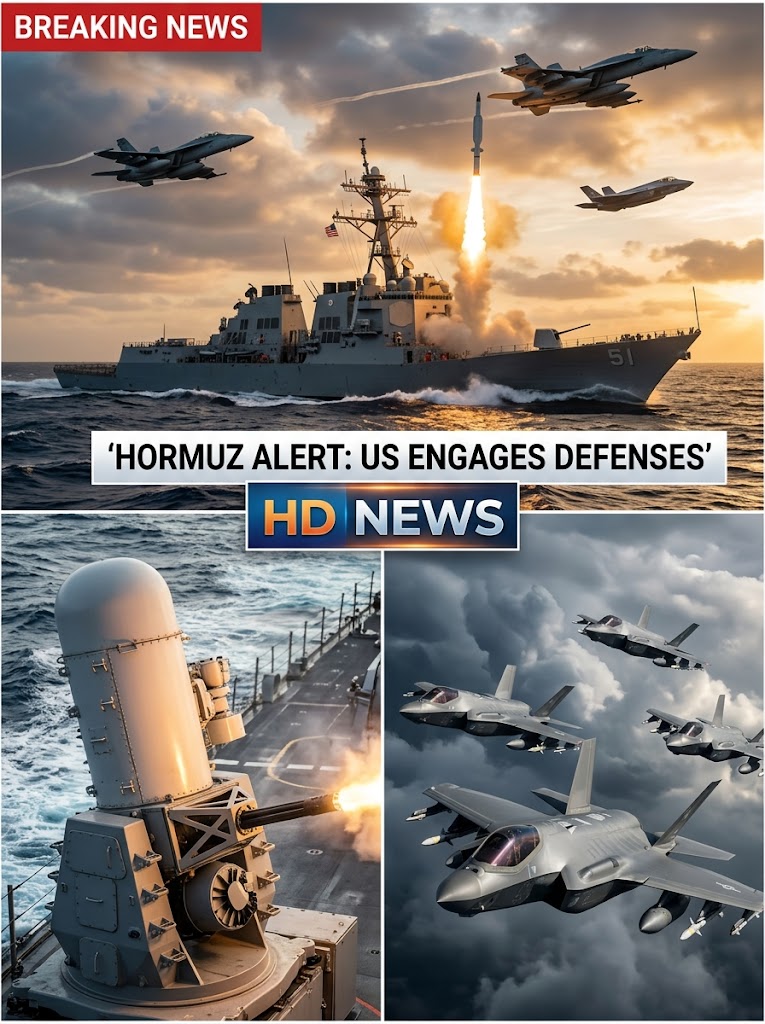
At the same time, U.S. warships escorting commercial vessels have reportedly activated layered defense systems, including radar tracking networks and close-range interception capabilities. These measures are designed to detect and neutralize incoming threats at the earliest possible stage, particularly in response to the rising use of drones and fast-moving naval craft in the region.
The Strait of Hormuz, a narrow but strategically vital waterway, remains a critical passage for global energy supplies. Nearly one-fifth of the world’s oil exports flow through this corridor, making it one of the most heavily monitored maritime zones on the planet. Any disruption—whether from missile strikes, drone attacks, or naval interference—can have immediate consequences for international markets.
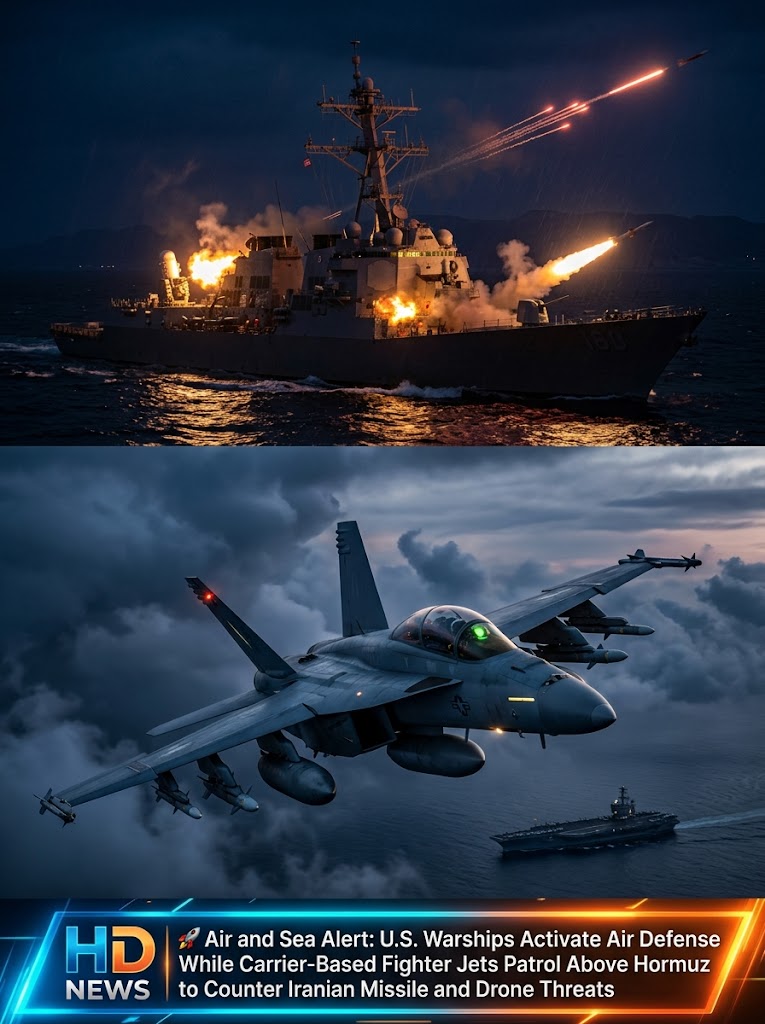
Shipping companies operating in the region are now moving under strict security protocols. Many vessels are traveling in escorted convoys, maintaining constant communication with naval command centers. Some operators have adjusted routes or delayed departures entirely, citing the unpredictable nature of recent threats and the concentration of military activity.
Military analysts note that the simultaneous deployment of air patrols and naval defenses reflects a shift toward integrated maritime-air security operations. Carrier jets provide rapid response capability from above, while destroyers and support ships form a protective shield at sea level. This layered approach is intended to reduce reaction time and improve detection of low-altitude drone or missile threats.
Despite the heightened precautions, officials stress that operations remain defensive in nature. The objective, they say, is to ensure freedom of navigation and protect civilian shipping, not to escalate tensions. However, the presence of multiple military forces operating in close proximity has raised concerns among experts about the risk of miscalculation.
Energy markets are closely watching developments, with traders reacting quickly to any sign of increased instability. Even minor disruptions in the Strait of Hormuz can lead to sharp fluctuations in oil prices, underscoring the corridor’s global significance.
Diplomatic efforts continue in parallel, with international actors urging restraint and de-escalation. But as fighter jets circle above and warships tighten their defenses below, the Strait of Hormuz remains on edge—where air and sea operations intersect in a fragile balance between deterrence and danger.