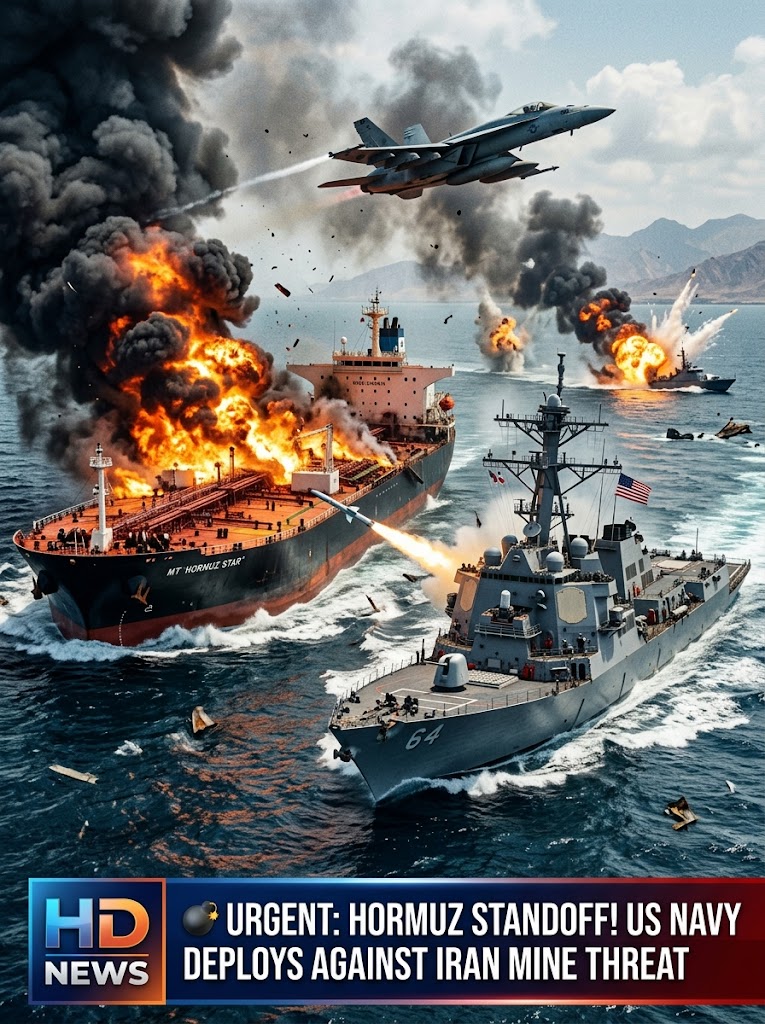
A growing maritime security crisis is unfolding in the Strait of Hormuz as suspected naval mines are believed to be disrupting commercial shipping, prompting the United States and allied forces to deploy specialized mine-clearance units to the region. The situation has raised urgent concerns over the safety of one of the world’s most critical energy corridors.
According to defense and maritime security officials, recent disruptions to tanker movements and sonar anomalies detected in key transit lanes have raised suspicions of underwater explosive devices. While no widespread detonations have been officially confirmed in the past hours, the possibility of hidden naval mines has already led to significant changes in shipping behavior and naval operations.
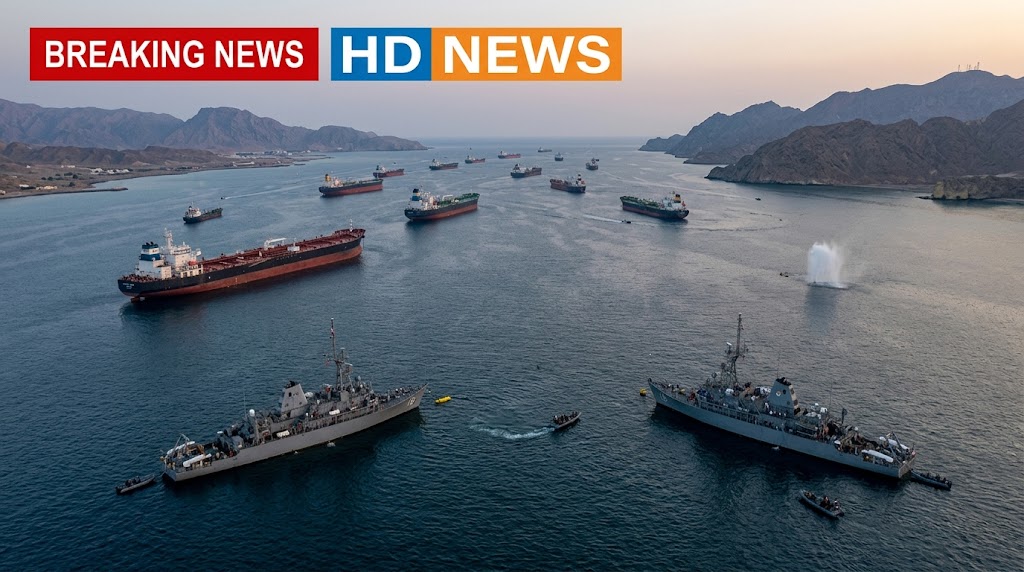
In response, the U.S. Navy has activated dedicated mine countermeasure forces, including specialized vessels, underwater drones, and explosive ordnance disposal teams. These units are conducting systematic scans of the seabed along major shipping routes, focusing on areas where commercial vessels have reported unusual signals or abrupt navigation warnings.
Military officials describe the mission as highly time-sensitive, emphasizing that even a single undetected mine could pose a catastrophic risk to oil tankers and LNG carriers passing through the narrow strait. The operation involves continuous sonar mapping and real-time data sharing between surface ships and underwater robotic systems designed to locate and neutralize potential threats.
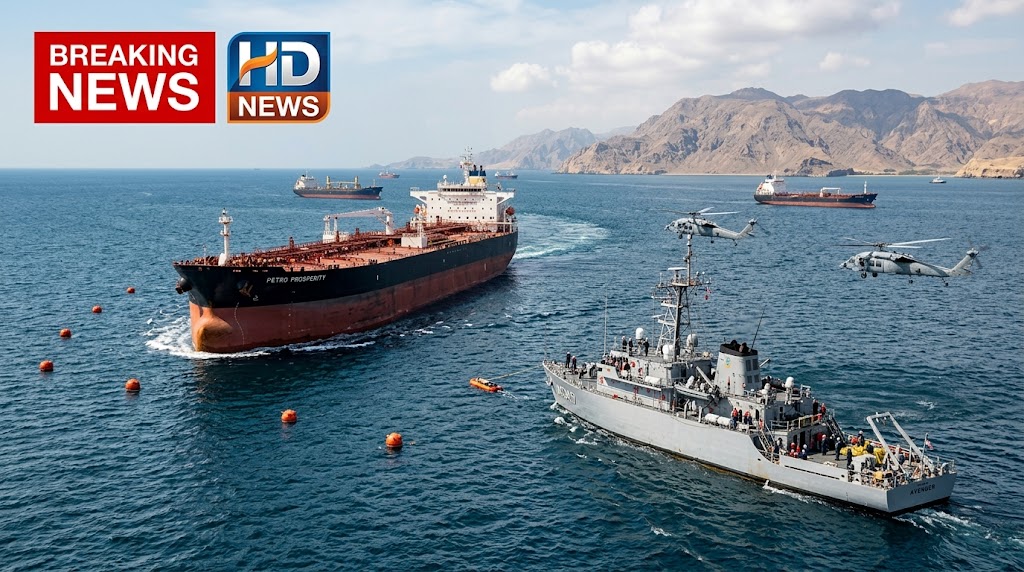
Shipping activity in the region has slowed noticeably. Several commercial operators have either delayed departures or rerouted vessels to avoid high-risk zones. Those still transiting the strait are doing so under strict naval escort, maintaining tightly controlled convoys guided by coalition forces.
The Strait of Hormuz, a vital chokepoint through which a significant share of global oil exports passes, has long been considered strategically sensitive. Any disruption—especially from underwater mines—can have immediate consequences for international energy markets and global supply chains.
Insurance costs for vessels operating in the area have surged, with war-risk premiums reflecting the heightened uncertainty. Analysts warn that prolonged disruption could lead to sustained volatility in oil prices and increased transportation costs worldwide.
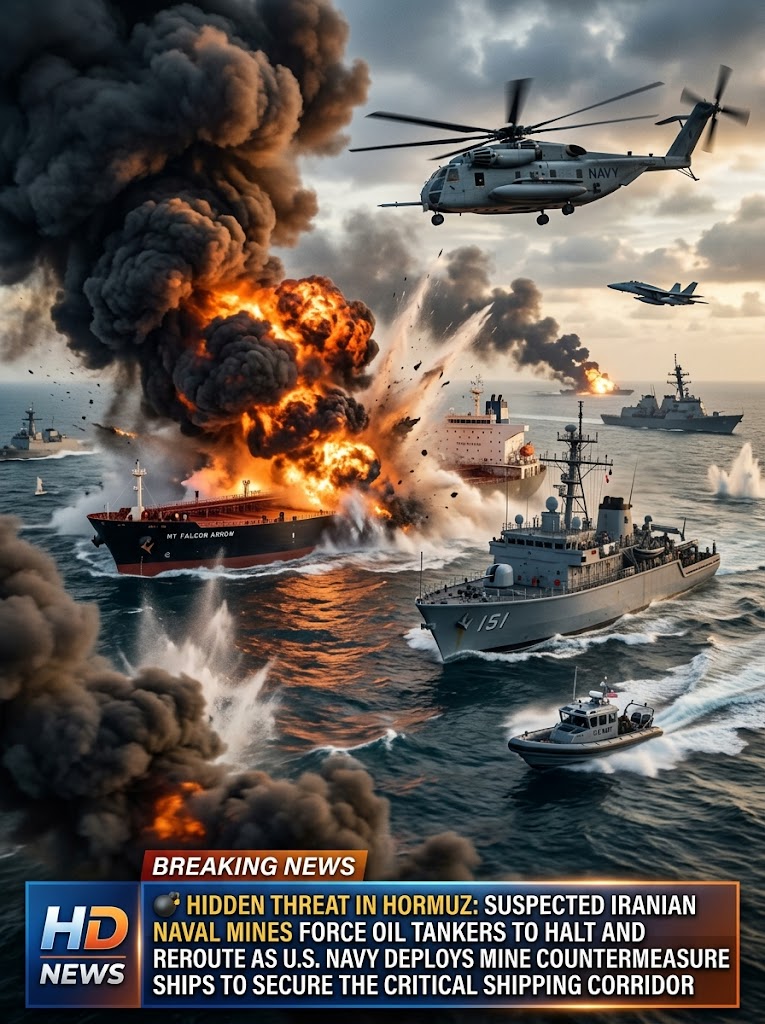
While the origin of the suspected mines remains unclear, investigations are ongoing. Security experts suggest that deploying and concealing such devices in heavily monitored waters would require significant capability and coordination, further intensifying regional tensions.
Diplomatic efforts are underway to prevent further escalation, with international actors calling for restraint and cooperation in securing maritime routes. However, the rapidly evolving situation underscores how fragile stability in the region has become.
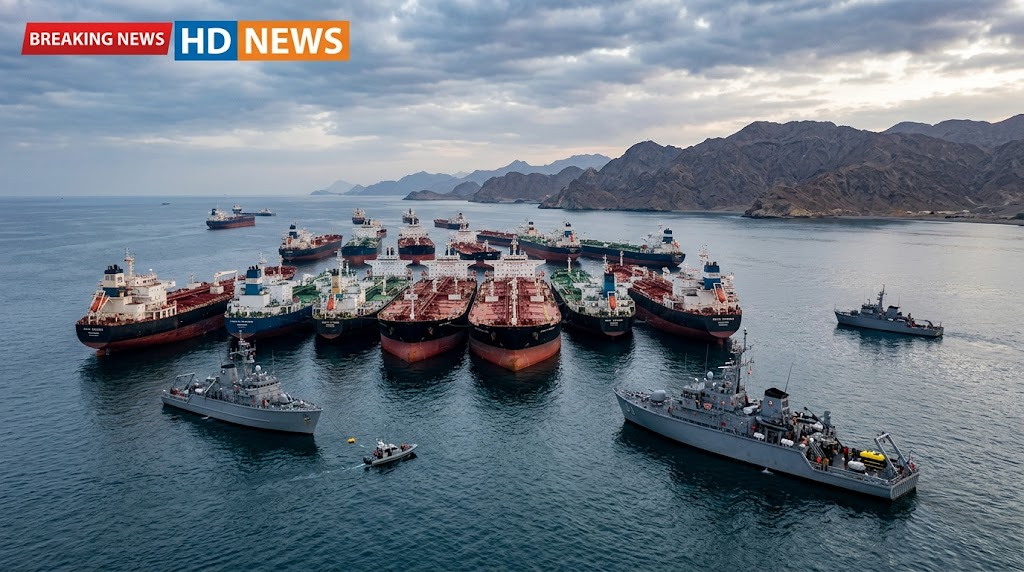
As U.S. clearance forces expand their operations across the strait, the hidden threat beneath the waters of Hormuz continues to cast a shadow over global shipping—turning a vital trade artery into a zone of uncertainty and heightened risk.