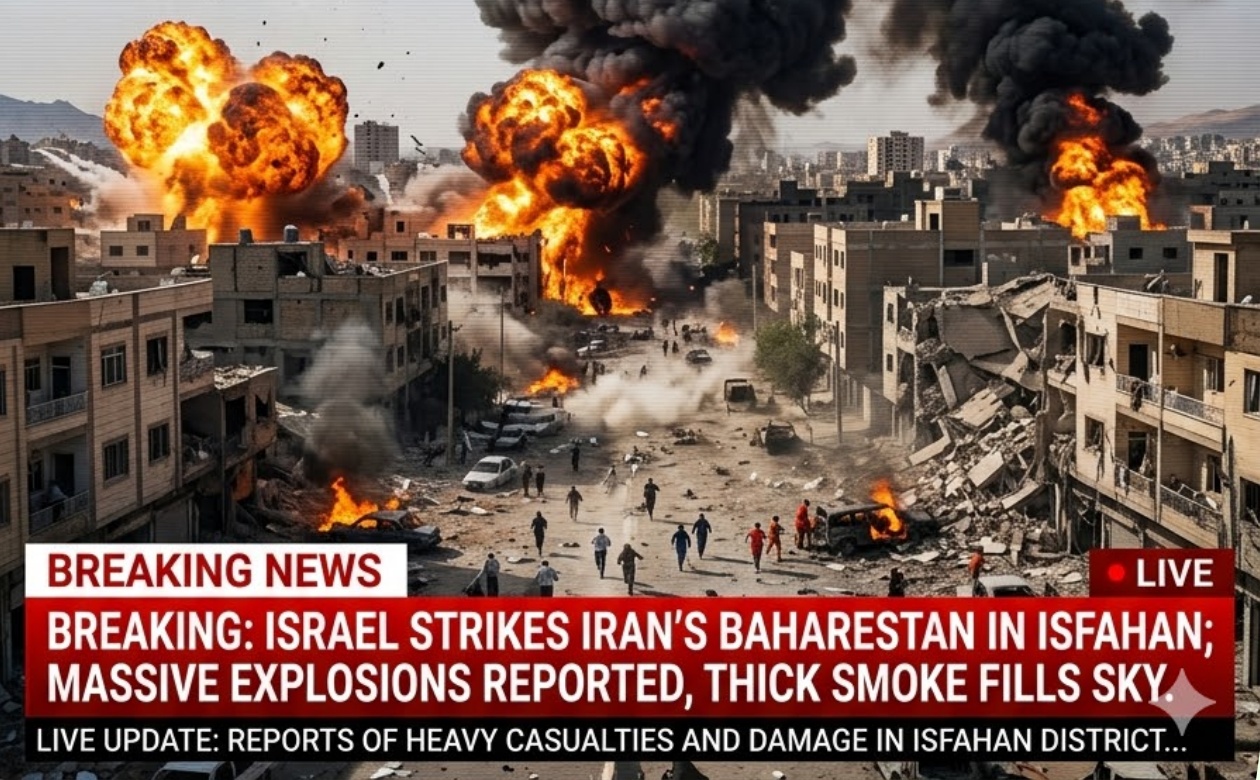
In a major escalation of the ongoing conflict between Israel and Iran, residents in central Iran’s Isfahan province reported massive explosions and towering smoke plumes rising from the Baharestan area late yesterday, signaling what many believe to be a significant strike on Iranian military infrastructure.
Video circulating on social media and confirmed by multiple regional outlets shows powerful detonations that rocked the city, with black smoke visible for miles, sparking fear and panic among civilians. Eyewitnesses described the explosions as “unlike anything heard before,” suggesting a large, high‑yield impact on the ground.
Although neither the Israeli Defense Forces (IDF) nor Iranian military officials have released detailed battlefield statements yet, the timing and nature of the blasts align with intensifying air operations by U.S. and Israeli forces deep inside Iran. Recent intelligence shows coordinated strikes earlier in Isfahan targeting missile sites and strategic military installations, suggesting that Baharestan may have been hit as part of this broader campaign.
The city of Isfahan — a major industrial and transportation hub — has already been the focus of several strikes in recent weeks, including confirmed attacks on the 15th Khordad missile site that triggered ongoing secondary explosions.
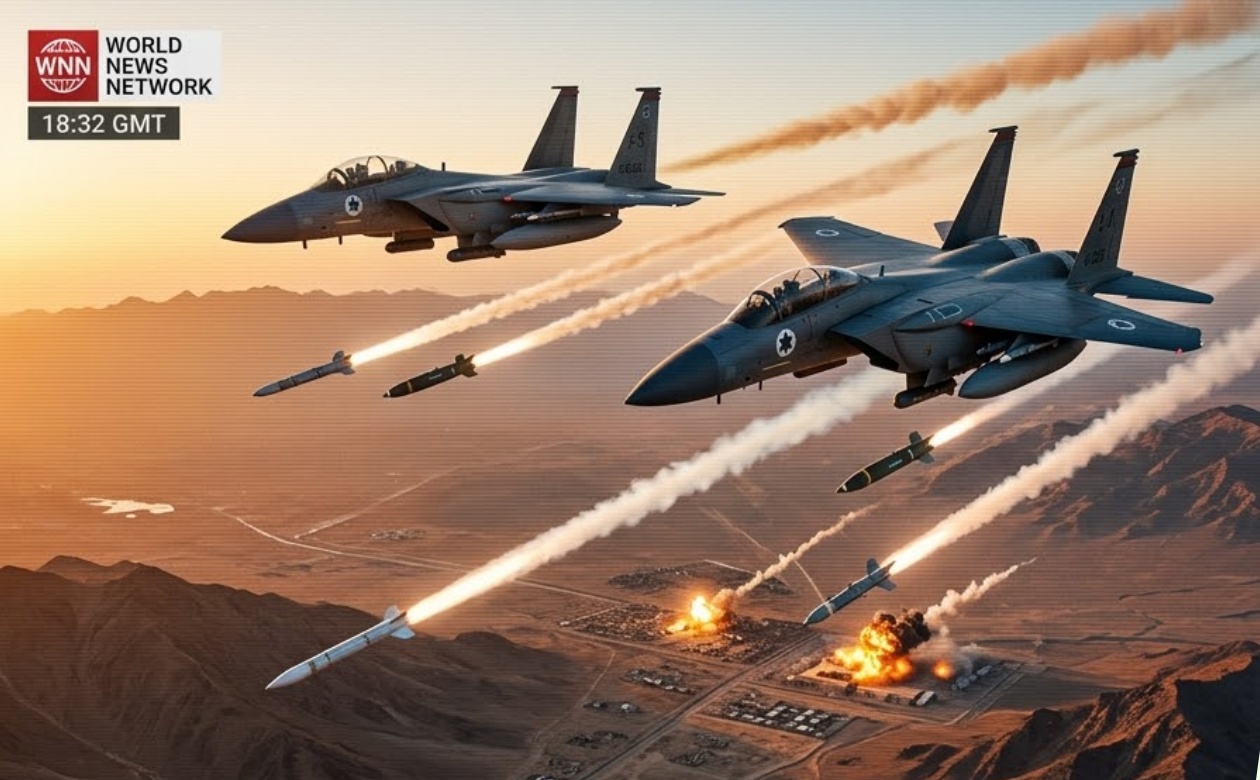
Regional experts believe the strike was aimed at critical assets tied to Iran’s ballistic missile capabilities and air defense networks — infrastructure that Israel and its allies argue pose direct threats to Israeli cities and military positions. Officials in Jerusalem have previously acknowledged targeting key military and missile sites deep inside Iranian territory, though without publicly specifying Baharestan.
The explosions come as the war between Iran, Israel, and U.S. partners enters its fifth week, with intense combat actions reported on multiple fronts. Iran continues to fire missiles at Israel and allied assets across the Gulf, while U.S. and Israeli forces have ramped up strikes on Iranian infrastructure in retaliation.
Domestic Iranian sources have been defiant, rejecting claims that critical military networks have been decimated, even as smoke and blast reports multiply. Leadership in Tehran insists its defensive systems remain operational, and vows of “crushing retaliation” have been issued in state media, further stoking fears of broader escalation.
Internationally, governments are closely watching the situation, urging restraint as violence continues to spread. Energy markets have already reacted to the tension, with oil and gas prices fluctuating amid fears of disruption to key supply routes like the Strait of Hormuz.
For citizens in Isfahan, the impact is immediate: families sheltered indoors as jets roared overhead and sirens sounded, with emergency crews scrambling to respond to the aftermath. Hospitals in the region are on alert, preparing for potential casualties — though official casualty numbers related to the Baharestan blasts have not yet been released.
As night fell over central Iran, thick plumes of smoke still lingered above Isfahan’s skyline — a stark visual reminder that the conflict has moved beyond borders, drawing in powerful actors and echoing across a region already on edge.