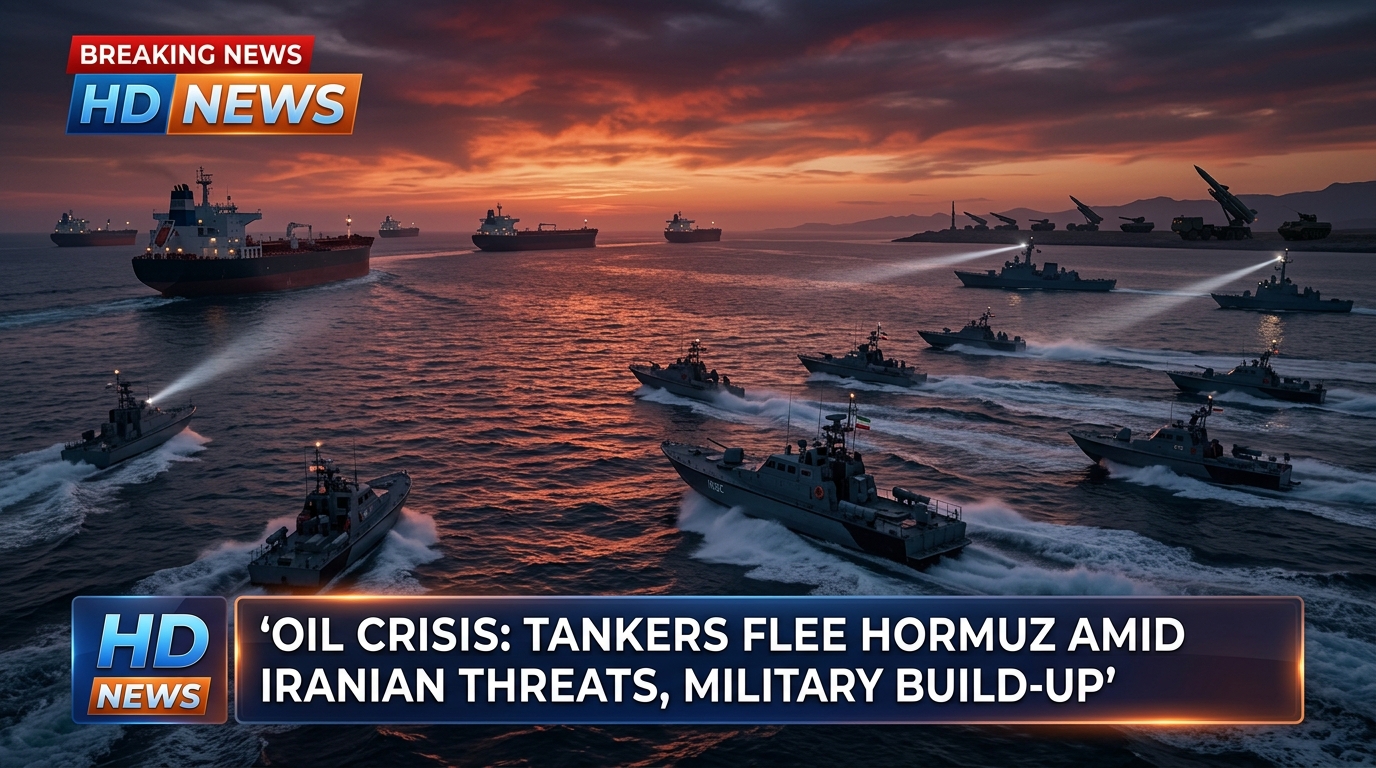
A deepening maritime crisis is unfolding in the Strait of Hormuz as a growing number of oil and LNG tankers retreat from the region amid escalating security threats. The slowdown in traffic has begun to disrupt one of the world’s most critical energy corridors, raising alarm across global markets and intensifying fears of prolonged instability in international shipping.
Shipping data from recent days shows that several major carriers have either diverted their routes or suspended transits entirely, opting for longer and more expensive journeys around alternative passages. The shift follows a series of heightened alerts, including drone activity, naval encounters, and intelligence warnings suggesting that commercial vessels could face increased risks while passing through the narrow waterway.
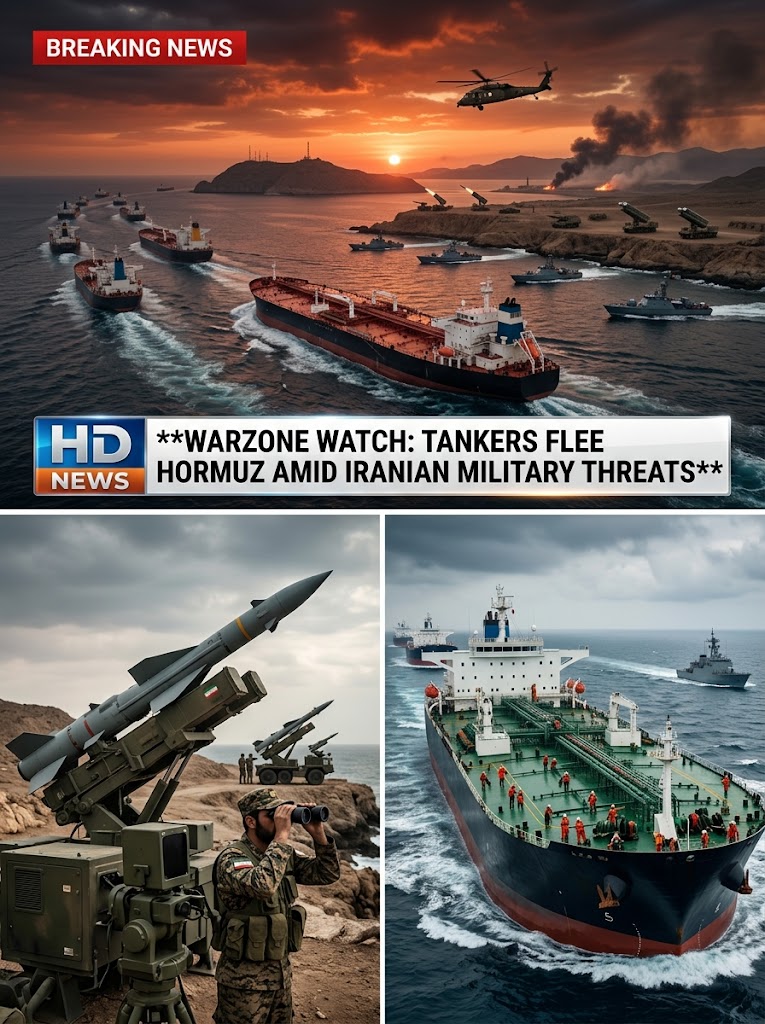
The Strait of Hormuz is a vital chokepoint through which nearly 20 percent of global oil supplies normally pass. Any disruption in this corridor has immediate consequences for global energy security. With fewer tankers moving through the strait, analysts say the early signs of supply tightening are already emerging, particularly in Asian and European markets that rely heavily on Gulf exports.
Insurance markets have reacted swiftly. War-risk premiums for vessels operating in the region have surged, and some insurers have reportedly begun restricting coverage or imposing strict transit conditions. This has significantly increased operating costs for shipping companies, many of which now find it economically safer to avoid the strait altogether rather than risk exposure to potential attacks or escalation.
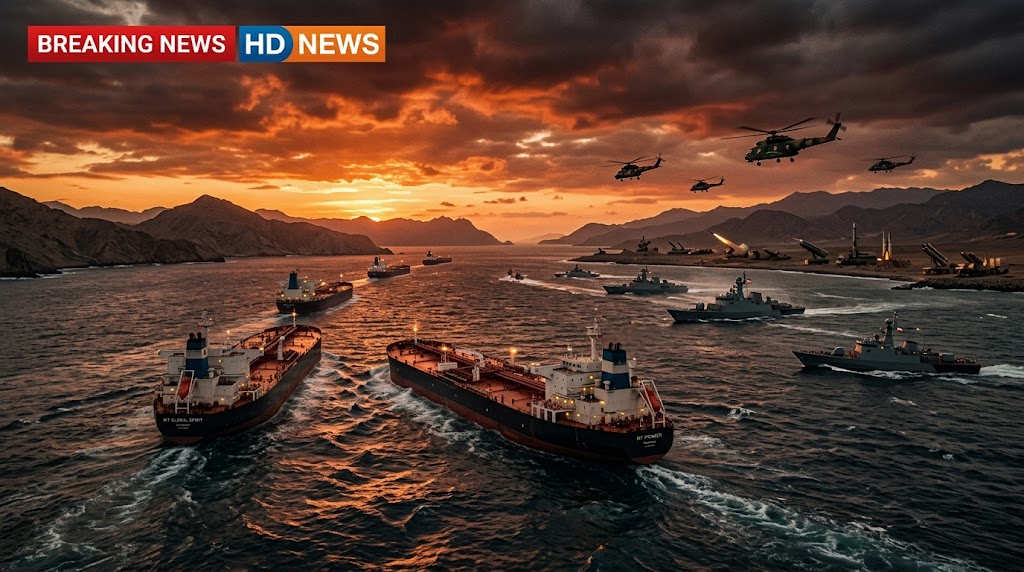
Military forces remain highly active in the region, with naval patrols and aerial surveillance attempting to secure safe passage for commercial shipping. Despite these efforts, confidence among operators continues to decline. Shipping executives describe the current environment as one of “extreme uncertainty,” where rapidly changing threat levels make planning increasingly difficult.
Energy markets have responded with volatility. Oil prices have fluctuated sharply in response to news of tanker diversions and security incidents, reflecting the sensitivity of global supply chains to any disruption in the Strait of Hormuz. Analysts warn that prolonged avoidance of the route could lead to sustained price increases and ripple effects across transportation, manufacturing, and consumer goods sectors worldwide.
Diplomatic efforts are ongoing, with international actors urging restraint and emphasizing the importance of keeping maritime routes open. However, underlying geopolitical tensions remain unresolved, and the absence of a clear security guarantee has left shipping companies in a difficult position.
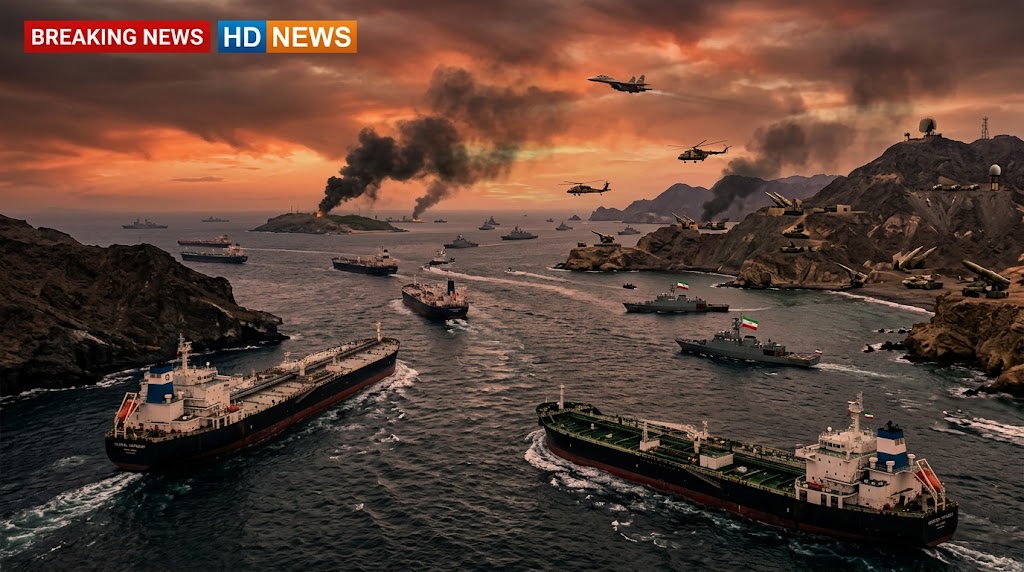
For now, the retreat of tankers signals more than just a temporary disruption—it reflects a growing crisis of confidence at sea. As vessels turn away from Hormuz, the world is witnessing how quickly strategic waterways can shift from commercial lifelines into zones of caution, reshaping global trade patterns in real time.