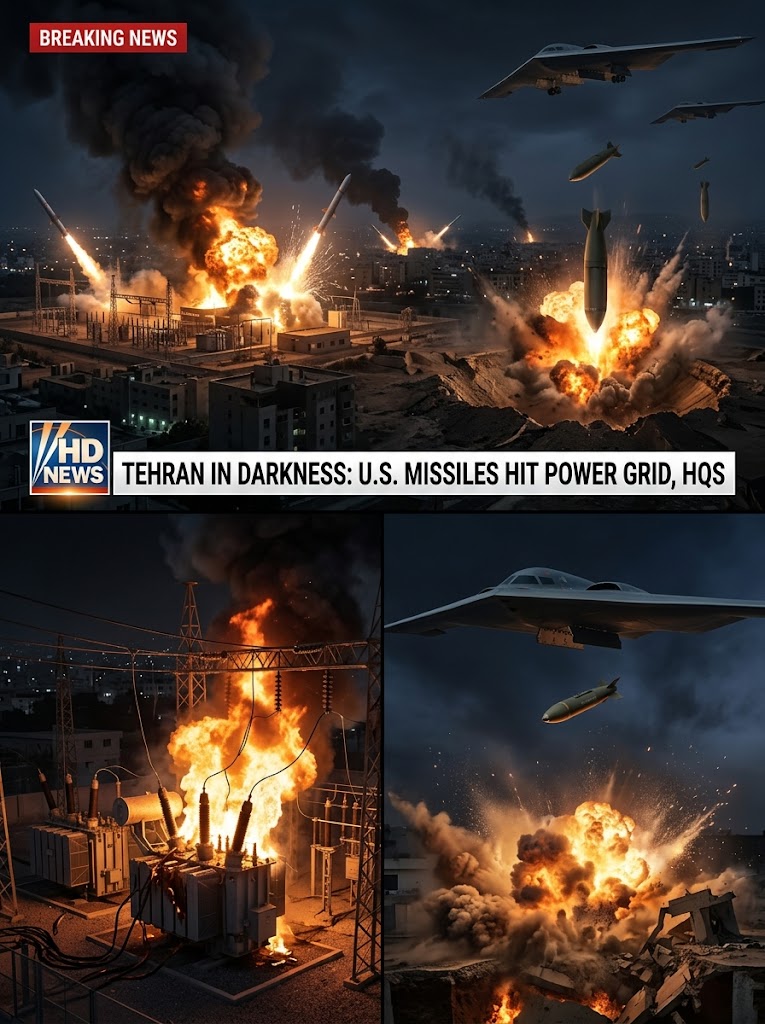
Explosions and reported power outages have shaken Iran’s capital in recent days as intense airstrikes continued to pound targets across Tehran and its surrounding regions. Residents heard loud blasts and saw plumes of smoke rising from different districts, marking one of the most dramatic phases of the ongoing military confrontation involving U.S., Israeli, and Iranian forces.
Multiple explosions were recorded across northeastern, western, and central parts of Tehran, with smoke rising high above the skyline as buildings and infrastructure sustained damage. The strikes reportedly targeted a mix of military sites and other strategic locations, resulting in a chaotic scene described by witnesses as frightening and unprecedented for many local residents.
At the same time, localized power outages were reported in parts of Tehran and nearby areas, including Karaj and Fardis, after strikes appeared to disrupt segments of the electricity transmission network. Iranian state media and officials initially blamed some outages on routine grid faults, but independent observers and residents linked the disruptions to damage from the bombardment, underscoring how the conflict is beginning to affect daily civilian life.
The impact on Tehran’s power infrastructure has been especially worrying for ordinary citizens, many of whom have had to cope with interruptions to electricity in homes, businesses, and essential services. Although authorities have worked to restore supply after each disruption, even brief blackouts leave households grappling with cooling systems, communication networks, and transport services under strain.
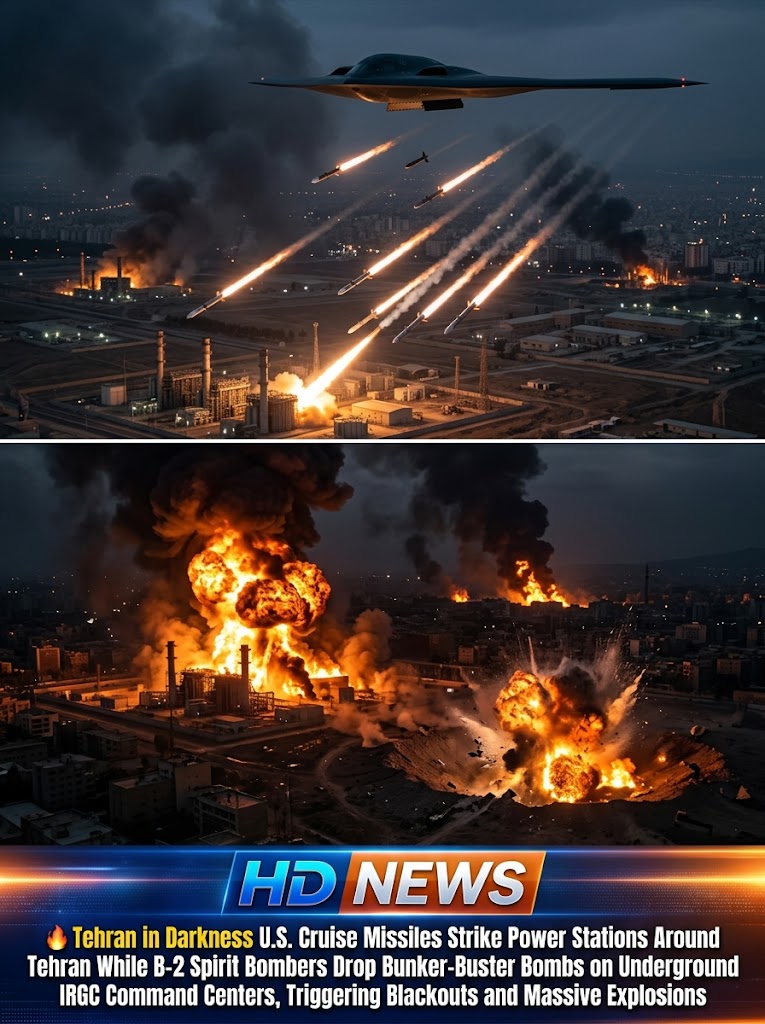
The broader backdrop to these developments is a sustained campaign of strikes by U.S. and Israeli aircraft that have targeted what they describe as regime infrastructure, missile facilities, and command-and-control sites across Iran. The intensity of these sorties represents some of the heaviest bombardment since hostilities expanded in early March, with residents comparing the roar of airstrikes to episodes from the outset of the conflict.
Internationally, the strikes have drawn sharp criticism and raised alarms about the risk of civilian harm. Human rights advocates argue that targeting infrastructure that sustains basic life functions—such as power grids—edges closer to actions that affect noncombatants, a concern echoed by analysts who emphasize the difficulty of separating dual-use facilities from strictly military ones.
In Iran itself, the episodes of blackout and explosions have deepened fear and uncertainty. While some outages appear limited and temporary, the psychological impact of losing electricity in a major capital already under bombardment cannot be understated. It makes the conflict more visible for those living through it, transforming distant military objectives into disruptions of everyday life.
As the war continues to evolve, Tehran’s recent experience of explosions and power outages stands as a stark illustration of how deeply modern warfare can affect urban centers—and how civilian infrastructure becomes entangled in broader strategic confrontations. The world is closely watching whether diplomatic efforts can rein in the violence, but for now, the lights flickering across Tehran remind observers that the cost of war is not only measured by explosions, but by how societies function in their aftermath.