The impact wasn’t just military.
It was economic.
As missiles and drones streaked across the Gulf skies, the effects of the war reached far beyond battlefields—hitting the very foundation of the region’s wealth: energy.
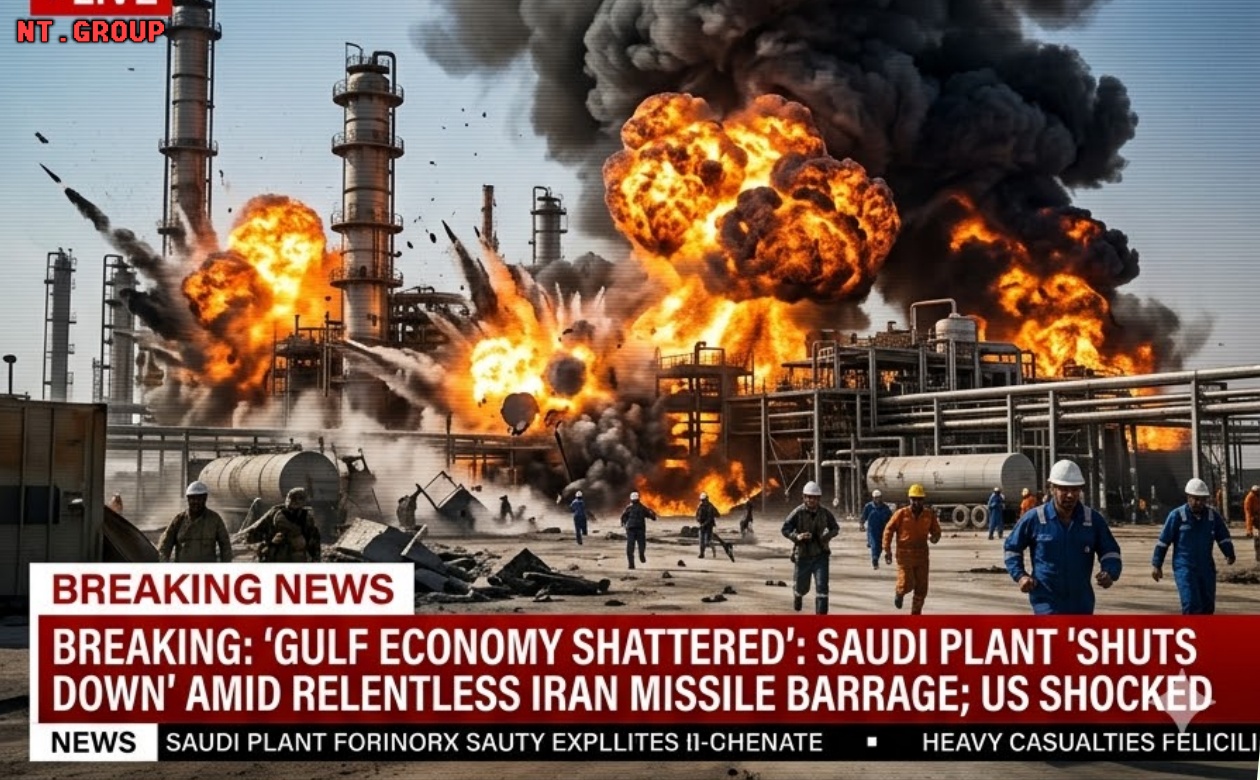
In Saudi Arabia, one of the world’s largest oil and petrochemical hubs was forced to shut down operations, sending shockwaves through global markets. A major facility in Jubail halted production as the conflict disrupted supply chains and created serious security risks.
This wasn’t an isolated incident.
Earlier, Iran-linked attacks—including drones and missile debris—had already triggered fires and temporary shutdowns at key Saudi oil facilities, including the massive Ras Tanura refinery, one of the largest in the world.
Even when damage was limited, the consequences were not.
Production stopped.
Exports were delayed.
Markets reacted instantly.
And that’s where the real crisis began.
Because the Gulf isn’t just a region—it’s the heart of global energy.
With the Strait of Hormuz under threat and repeated attacks targeting infrastructure, oil and gas flows have been severely disrupted. In fact, the conflict has triggered what experts describe as one of the largest energy supply shocks in modern history, with millions of barrels per day taken offline.
Prices surged.
Shipping routes collapsed.
Supply chains fractured.
Some countries were forced to reroute exports entirely, while others struggled to maintain even basic output levels. In extreme cases, closures and disruptions spread beyond oil—affecting gas production, shipping, and even food supply systems dependent on Gulf trade routes.
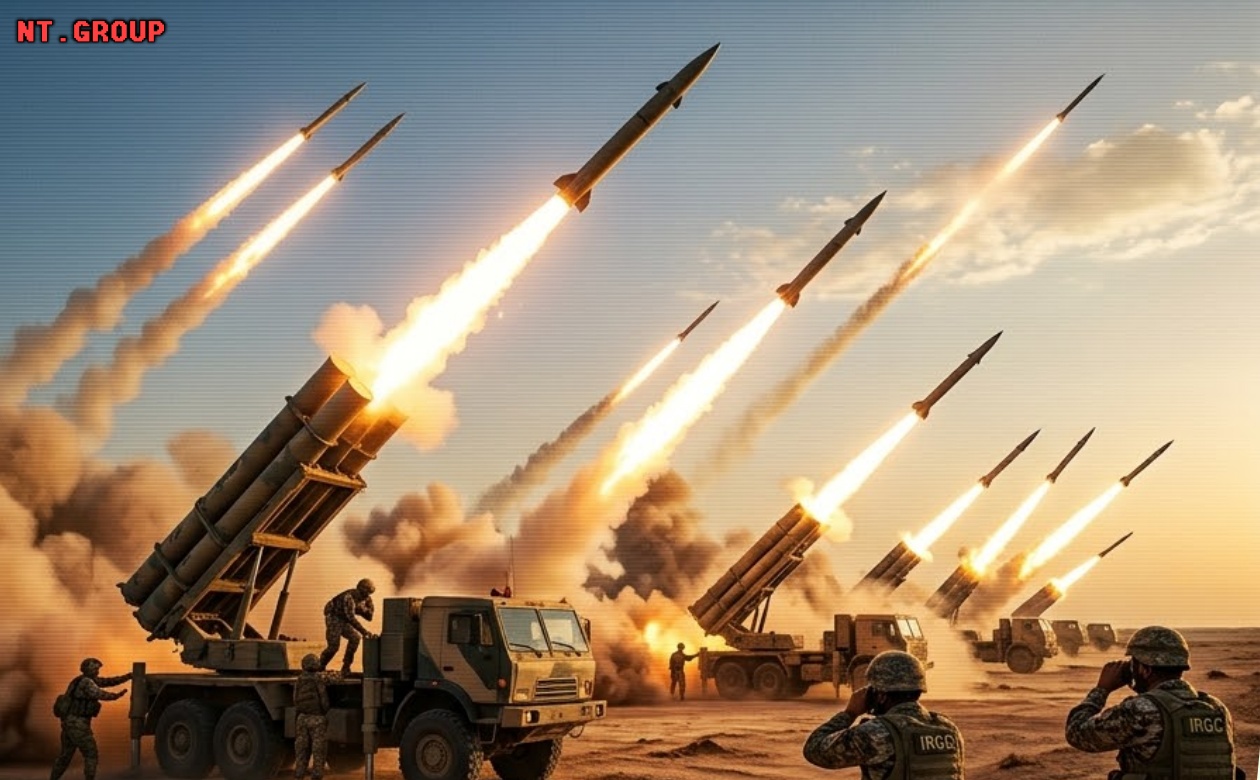
Meanwhile, Iran’s missile and drone campaign continues.
Saudi Arabia and other Gulf states have intercepted waves of ballistic missiles and dozens of drones, showing just how sustained the pressure has become.
But interception doesn’t eliminate the threat.
Even near-misses can shut down facilities.
Even debris can spark fires.
Even uncertainty can halt production.
So is the “Gulf economy shattered”?
Not completely.
But it is under extreme strain.
What’s happening is not a sudden collapse—but a system under pressure from multiple directions:
- Military attacks
- Shipping disruptions
- Energy infrastructure risks
- Market panic
And the United States?
Watching closely—and reacting.
Because any prolonged disruption in Gulf energy doesn’t just affect the region.
It affects the world.
Oil prices, inflation, supply chains—all tied to what happens in this narrow stretch of water and the الأراضي surrounding it.
So while the headline may exaggerate total collapse…
The underlying reality is serious.
The Gulf economy is being tested in real time.
And if the strikes continue—
The line between “disruption” and “crisis” could disappear very quickly.