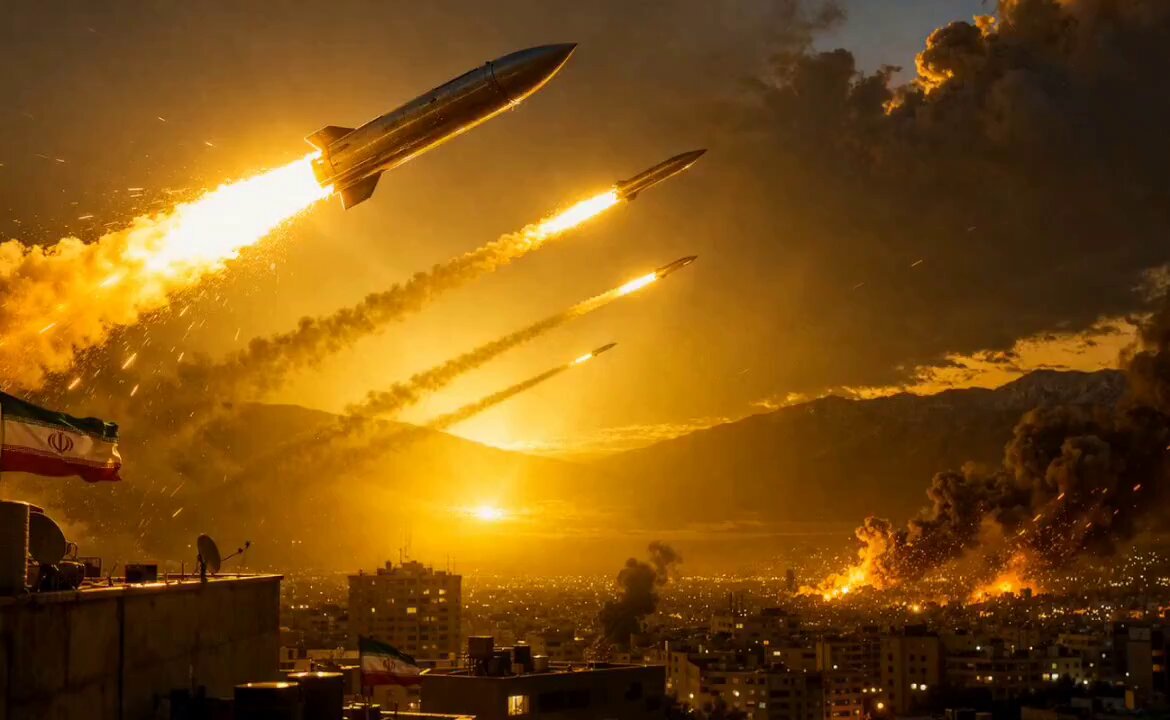
Behind Iran’s visible political leadership and conventional military structure lies a deeper, less understood network of influence often described by analysts as the country’s “Faiji power”—a term used informally to describe the fusion of ideological authority, paramilitary strength, and regional proxy networks that quietly shape the Middle East’s balance of power.
At the core of this hidden force is Iran’s unique political system, which blends religious authority with state governance. Power ultimately rests with the Supreme Leader and a network of clerical institutions that exert control over key decision-making bodies. This structure allows Iran to maintain a centralized ideological direction while simultaneously projecting influence beyond its borders.
However, what truly distinguishes Iran’s “Faiji power” is not just domestic control—it is its external reach. Over the past two decades, Iran has cultivated alliances with armed groups and political movements across the region. From Iraq to Syria and beyond, these networks operate as extensions of Iranian strategy, enabling Tehran to influence conflicts without direct large-scale military engagement. For example, Iran-backed militias in Iraq, such as those within the Popular Mobilization Units (PMU), maintain close strategic ties with Tehran and reinforce its regional posture.
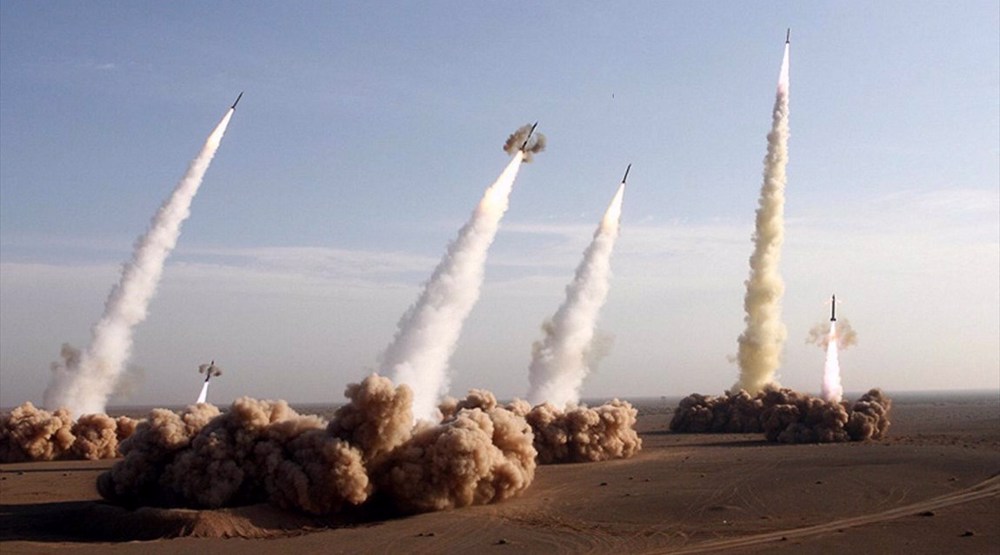
This indirect approach offers several advantages. It provides plausible deniability, reduces the risk of direct confrontation with global powers, and allows Iran to respond asymmetrically to threats. Instead of relying solely on conventional warfare, Iran leverages intelligence, proxy forces, and localized partnerships to achieve its objectives. Analysts argue that this layered strategy has made Iran one of the most resilient and adaptive actors in the region.
Equally important is the role of the Islamic Revolutionary Guard Corps (IRGC), widely regarded as a central pillar of this hidden power structure. Beyond its military responsibilities, the IRGC is deeply involved in intelligence operations, economic activities, and foreign engagements. Its influence extends into key sectors, enabling it to operate as both a security force and a strategic policymaker.
The impact of this “Faiji power” can be seen in ongoing regional tensions. Whether through support for allied groups, involvement in strategic waterways, or influence over political developments in neighboring countries, Iran continues to shape events in ways that are often subtle but highly consequential.
Critics argue that this network destabilizes the region, while supporters claim it serves as a necessary defense mechanism against external pressure. Regardless of perspective, it is clear that Iran’s power is not confined to its borders or conventional military capabilities.
As geopolitical competition intensifies, understanding this hidden force becomes essential. Iran’s “Faiji power” represents a modern model of influence—one that relies less on visible dominance and more on strategic depth, ideological cohesion, and carefully cultivated alliances.