

In a stunning development amid escalating tensions, reports suggest that Iran deployed a covert electronic warfare system designed to disrupt GPS signals used by U.S. bombers operating over the region. The move highlights a growing shift in modern warfare—where invisible signals can be just as decisive as missiles and airstrikes.
GPS, or Global Positioning System, is critical for modern military operations. From navigation to precision-guided munitions, nearly every advanced U.S. platform depends on accurate satellite data. However, this reliance also creates a vulnerability. By broadcasting powerful radio interference on the same frequencies, adversaries can effectively “blind” aircraft, causing confusion in navigation systems or even misdirecting weapons.
According to regional reports, Iran’s electronic warfare units activated jamming systems across key مناطق, particularly near strategic corridors and suspected flight paths of incoming U.S. bombers. Similar disruptions have already been observed across the region, where GPS signals caused ships and aircraft to display wildly inaccurate positions—sometimes placing them on land or far from their actual location.
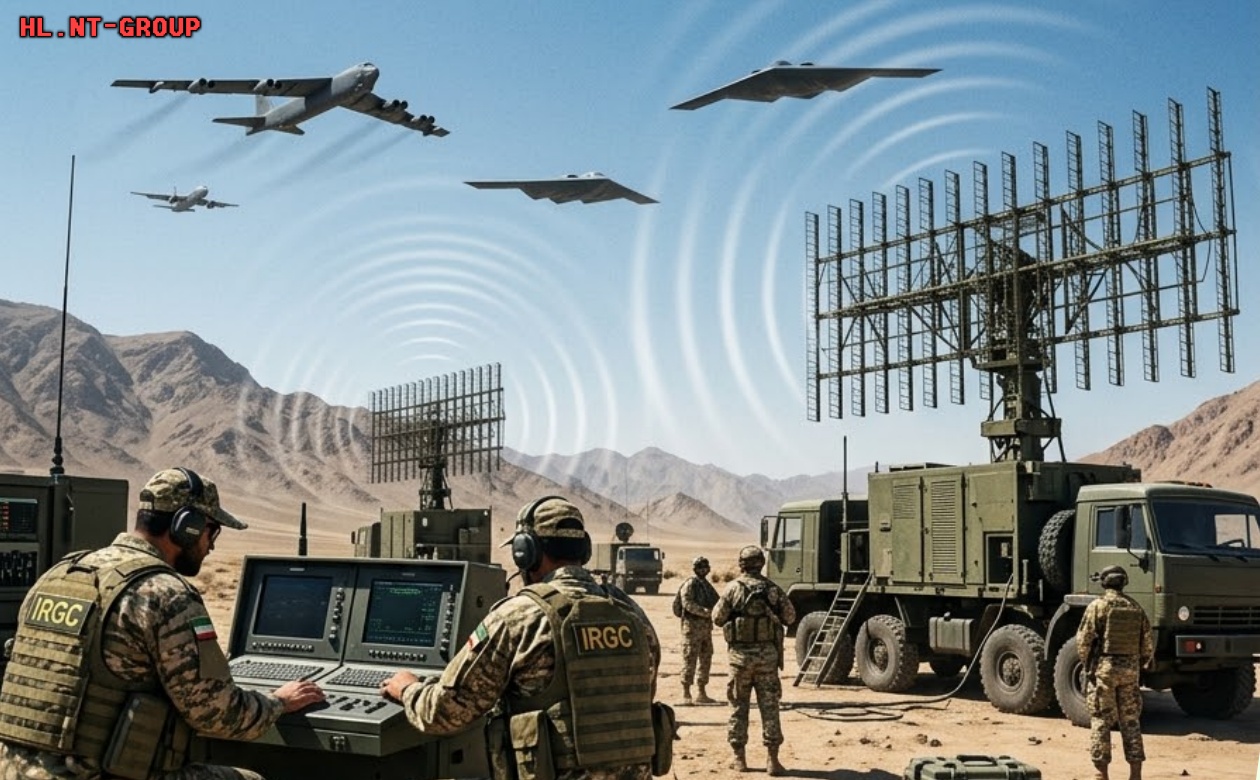
At first, the impact appeared significant. Some aircraft reportedly experienced navigation anomalies, forcing crews to rely on backup systems such as inertial navigation or pre-programmed flight paths. Electronic warfare experts note that even brief signal disruption can complicate mission timing and targeting accuracy, especially in contested airspace.
But then came the unexpected twist.
U.S. bombers, particularly advanced platforms, are designed with layered redundancy. Military-grade GPS signals are encrypted and more resistant to interference than civilian versions. In addition, crews are trained to operate in “GPS-denied environments,” using onboard sensors, terrain mapping, and alternative guidance systems to continue missions even under heavy jamming.
As a result, the attempted disruption may have had limited long-term impact. In fact, analysts suggest that such jamming efforts can reveal the location of the jammer itself—making it a potential target for counterstrikes. Once activated, electronic warfare systems emit detectable signals, which can be tracked and neutralized.
The broader context underscores a rapidly evolving battlefield. Iran has openly acknowledged using GPS interference to counter drones and guided weapons, aiming to throw off precision targeting. () Meanwhile, widespread disruptions affecting hundreds—even thousands—of civilian vessels and systems in the region show just how powerful and indiscriminate this tactic can be.
In the end, the incident illustrates a critical reality: modern warfare is no longer just about firepower, but about control of information and signals. While Iran’s secret GPS jammer demonstrated technological ambition, the resilience of U.S. systems—and their ability to adapt under pressure—may have ultimately blunted its effectiveness.
As both sides continue to refine their electronic warfare capabilities, one thing is clear: the battle for the skies is now also a battle for the invisible spectrum.