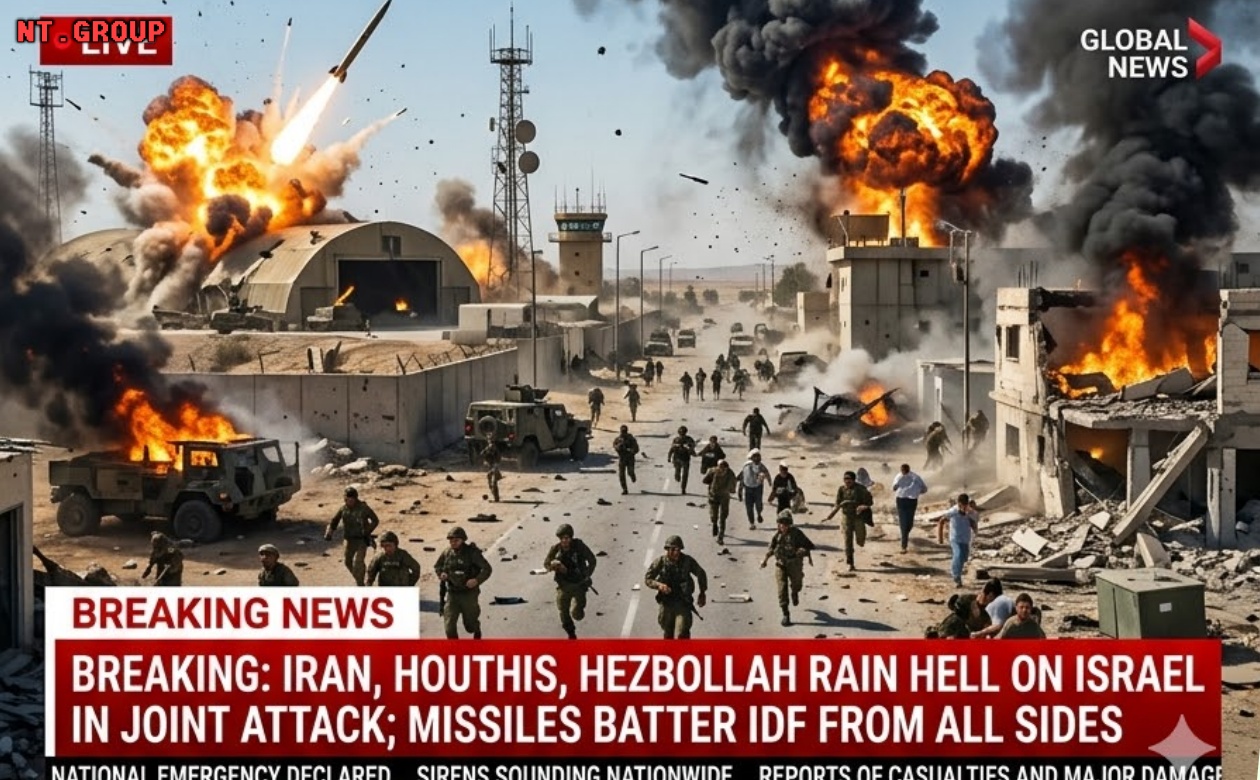
In a dramatic escalation of the Middle East conflict, Iran, Yemen’s Houthis, and Lebanon’s Hezbollah are claiming coordinated missile and drone strikes on Israeli territory, pushing the war beyond traditional battle lines and forcing Israel to defend against threats from north, south and deep across the region.
According to recent reports, Yemen’s Iran‑aligned Houthi forces have launched a ballistic missile attack on Israel that they say was conducted “in coordination with our brothers in Iran and Hezbollah.” The group described this as part of what it calls the “Sacred Jihad Battle,” claiming multiple missiles were fired towards sensitive targets in southern Israel. Israeli air defenses responded by intercepting the incoming projectiles and warning civilians to seek shelter, although there were no confirmed casualties in these latest strikes.
This appears to be part of a pattern where Iran’s broader network of allied militia groups is increasingly active against Israeli and allied forces. The Houthis, historically focused on their conflict within Yemen’s borders, have now openly tied their operations to Iran’s war effort and claim joint actions alongside Hezbollah fighters based in Lebanon.
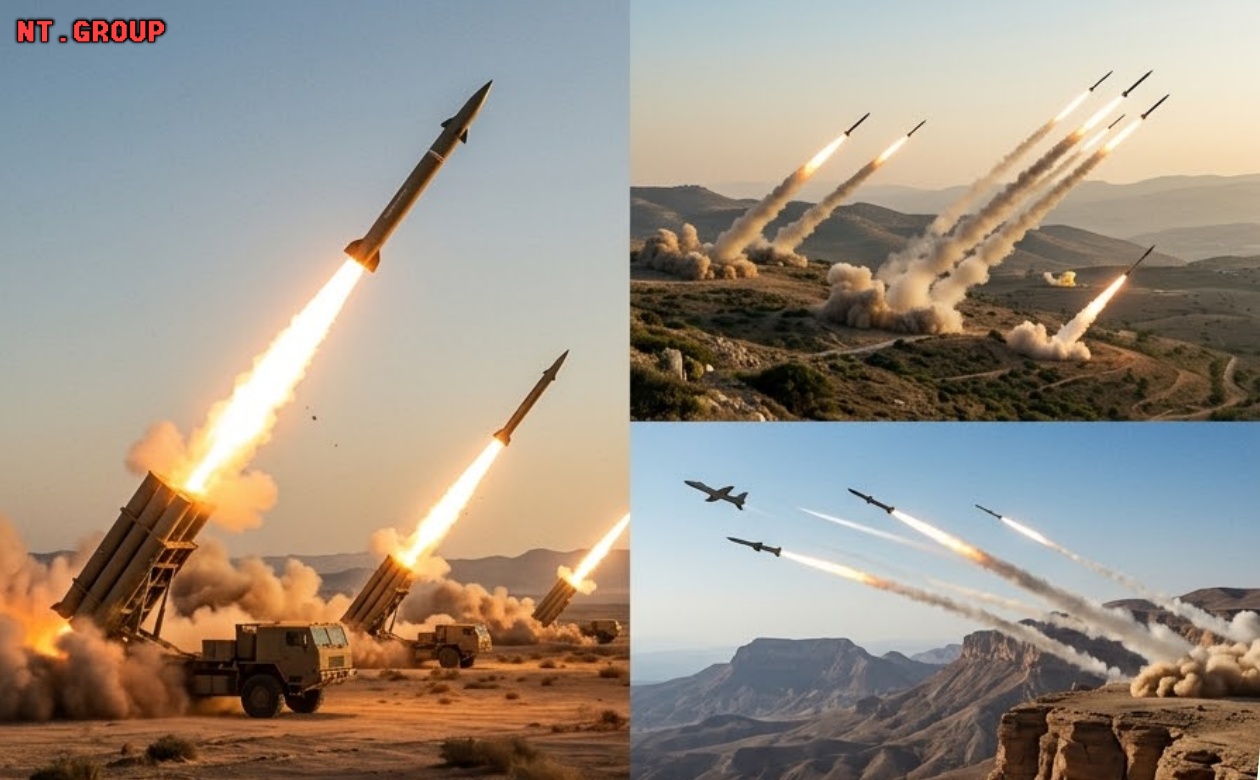
From the north, Hezbollah has maintained heavy rocket and missile attacks into northern Israel throughout the conflict, engaging Israeli Defense Forces (IDF) positions near the Lebanese border in what has become one of the longest flare‑ups since the start of hostilities last month. Although media coverage differs on exact coordination levels, the narrative from Iranian and allied sources frames these engagements as united fronts against Israel, adding fuel to already rampant fears of a full regional conflagration.
Israeli military officials have confirmed that anti‑air defenses were activated multiple times as these missiles and drones entered monitored airspace, and the IDF continues to respond with airstrikes targeting launch sites and infrastructure tied to these proxy forces.
Analysts say the expansion of the war into multiple allied fronts highlights a shift from a conflict largely centered on Iran itself to a broader regional confrontation, involving militia networks linked to Tehran. These developments have heightened concerns in capitals across the Middle East and the West, with ongoing diplomatic efforts attempting to prevent an even wider escalation.
As missiles continue to fly and fronts multiply, the war’s reach grows every day, confronting civilian populations and militaries alike with a stark reminder: in this conflict, there may be no single front, and no “safe” direction from which danger cannot come.