
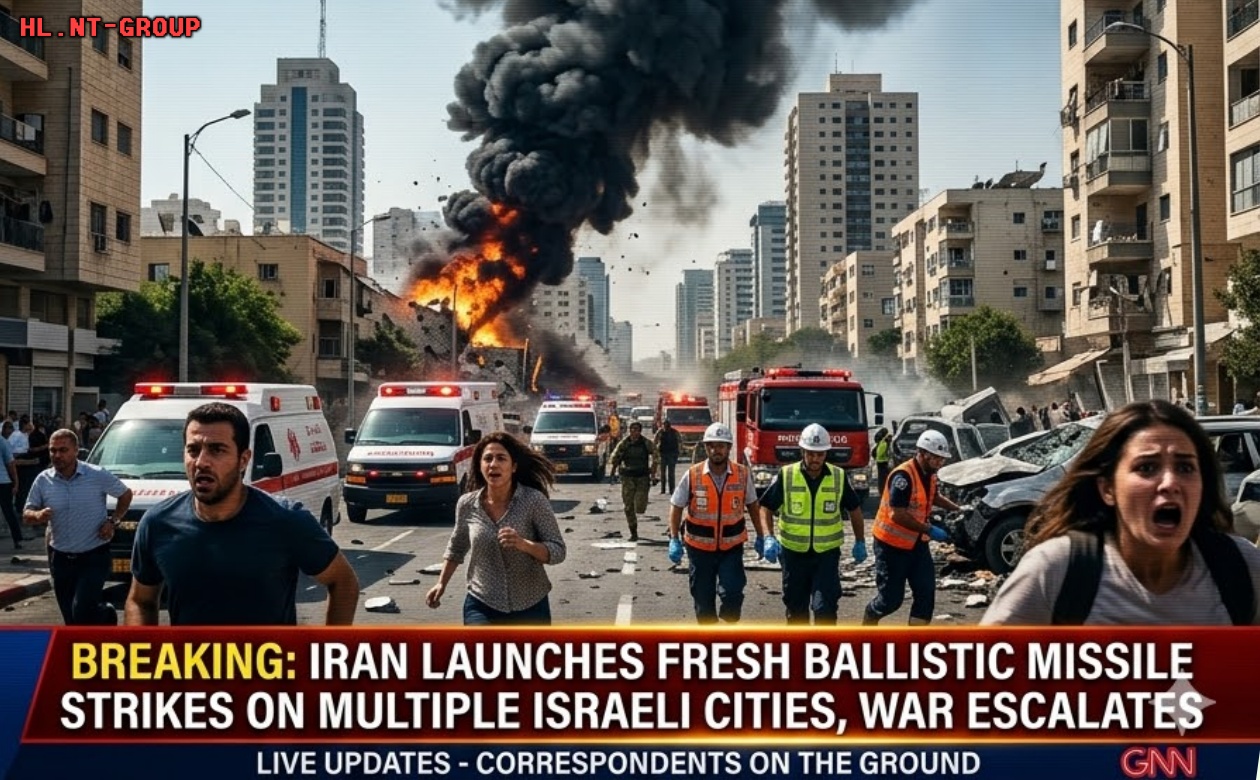
The conflict between Iran and Israel has entered a dangerous new phase as Tehran launched a fresh wave of ballistic missile strikes targeting multiple Israeli cities, signaling a sharp escalation in hostilities and raising fears of a broader regional war.
According to emerging reports, air raid sirens rang out across several مناطق in Israel as incoming missiles were detected by early warning systems. Interception efforts were immediately activated, with Israel’s multi-layered defense network—including systems designed to counter short- and long-range threats—attempting to neutralize the barrage. While many projectiles were reportedly intercepted, some managed to penetrate defenses, causing damage in urban areas and forcing civilians into shelters.
This latest हमला is part of an ongoing pattern of retaliation that began after joint U.S.-Israeli strikes on Iranian military and nuclear-related infrastructure earlier this year. Since then, Iran has repeatedly targeted Israeli territory with ballistic missiles and drones, demonstrating its ability to sustain offensive operations despite sustained bombardment.
Cities across Israel—including those in central and southern regions—have faced intermittent strikes over recent weeks. In some cases, residential neighborhoods have been hit, leading to casualties and significant infrastructure damage. One of the deadliest early incidents saw missiles strike a жилой area, highlighting the growing risks to civilians as the conflict intensifies.
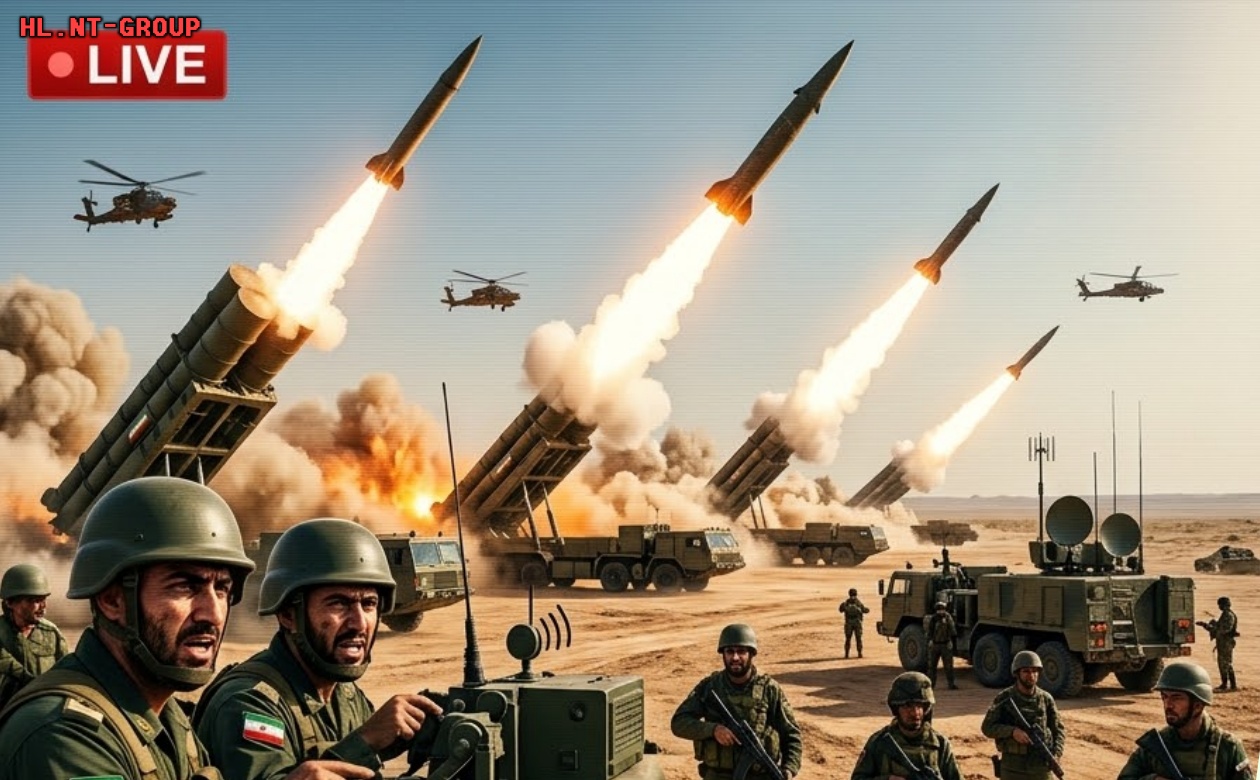
Military analysts suggest that Iran’s strategy is evolving. Rather than relying solely on massive barrages, Tehran appears to be combining frequent smaller-scale launches with occasional larger strikes. This approach keeps Israeli defenses under constant pressure, forcing repeated activations of interception systems and disrupting daily life. At the same time, it allows Iran to conserve resources while maintaining psychological and strategic impact.
Israel, meanwhile, has responded with intensified airstrikes on Iranian targets, including missile production facilities, launch sites, and command centers. Recent operations reportedly hit hundreds of targets in a short timeframe, underscoring the масштаб of the ongoing military campaign.
Despite these efforts, Iran’s continued ability to launch missiles suggests that its core capabilities remain intact. Underground storage sites, mobile launch platforms, and decentralized command structures have made it difficult for Israeli and allied forces to fully eliminate the threat.
The escalation comes amid conflicting signals about potential de-escalation. While diplomatic efforts—including talk of temporary ceasefires—have surfaced, the reality on the ground tells a different story. Missile launches and airstrikes continue, and both sides appear prepared for a prolonged confrontation.
The broader implications are significant. Continued missile exchanges risk drawing in additional regional actors, disrupting global energy markets, and increasing civilian casualties. With neither side showing clear signs of backing down, the situation remains highly volatile.
Ultimately, the latest round of Iranian ballistic missile strikes underscores a sobering reality: the conflict is far from over. Instead, it is evolving into a sustained and increasingly complex war—one in which each new strike brings the region closer to a wider and more unpredictable crisis.